

Unpopular opinion: bed rotting isn’t the self-care win TikTok made it out to be.
I get it.
Life is a lot right now, and some days, staying under the covers with your phone and a show on in the background feels like the only thing you have energy for.
And for one lazy Sunday?
Fine. Go for it.
But if bed rotting has become your everyday, your after-work routine, or the only way you know how to cope, that’s a different story.
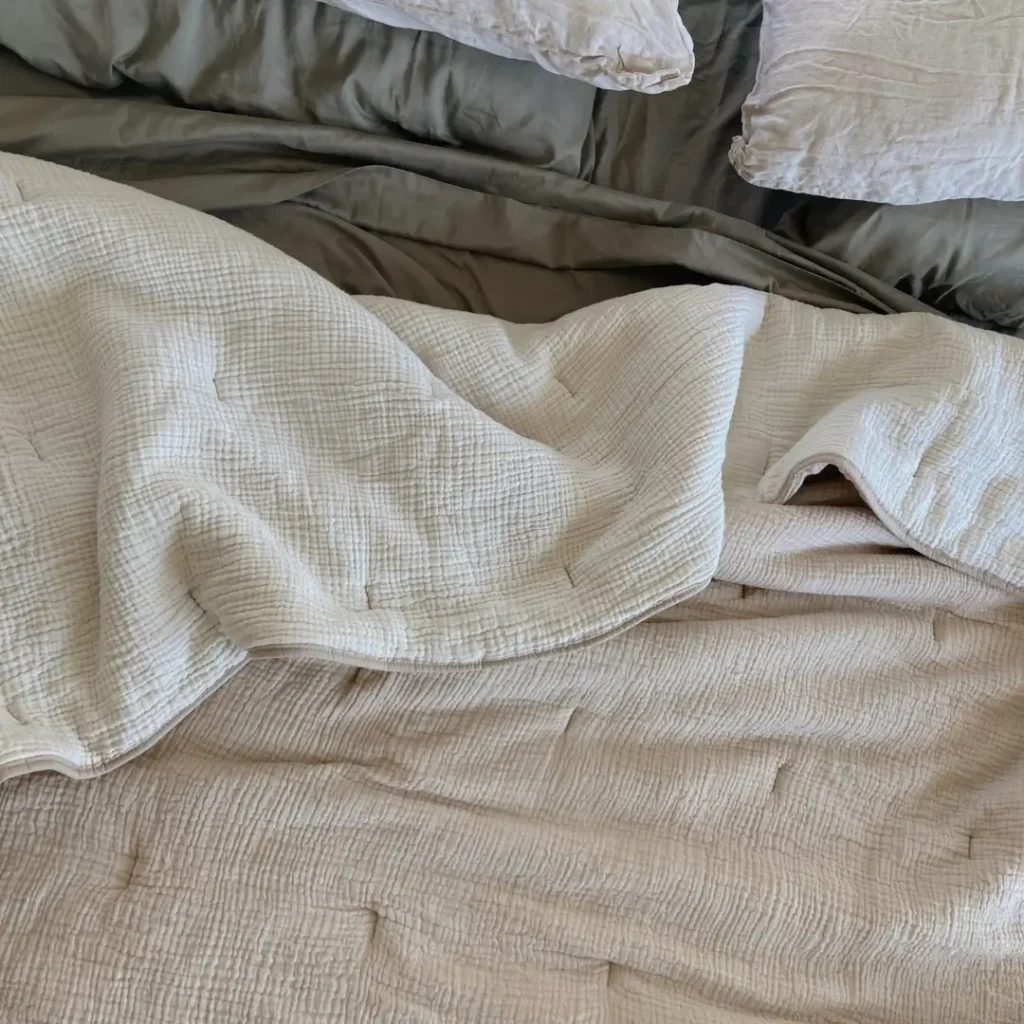
It stops being rest and starts being avoidance, and avoidance rarely makes you feel better.
If anything, you probably know firsthand that it tends to make anxiety and low mood worse, not better.
So if you’re reading this because you genuinely want out of the cycle (not because someone’s guilt-tripping you into “just getting up and being productive”), you’re in the right place.

Below, I’m breaking down why bed rotting happens, how to tell when it’s crossed from rest into something that needs more support, and small, doable steps to actually stop it, starting today.
What Is Bed Rotting, Really?
Bed rotting means spending long stretches of time in bed while you’re awake, usually scrolling, watching something, or just lying there avoiding your day.
It’s not napping, and it’s not a regular sick day.
It’s more of a full checkout, often fueled by burnout, stress, or just not having the energy to face your to-do list.

Of course your body and brain genuinely need rest. That’s not up for debate.
The problem is that bed rotting is passive rest, meaning it doesn’t actually recharge you the way active rest (a walk, a hobby, or time with people you love) does.
So you lie there for hours, and instead of feeling better, you end up feeling just as tired, maybe more anxious and definitely behind on everything you were avoiding in the first place.
Is Bed Rotting a Sign of Depression?
Not always. Everyone has rough weeks where staying horizontal feels like the only option, and that doesn’t automatically mean something’s wrong.
But if bed rotting has become a daily habit, if you’re skipping meals, canceling plans, or struggling to find joy in things you used to care about, it’s worth paying attention to.

Those can be signs of something more than burnout, like depression or anxiety, and that’s genuinely nothing to feel ashamed of.
It just means your mental health needs a bit more support than a productivity hack can offer, and that’s worth taking seriously, ideally with a doctor or therapist who can help you figure out what’s actually going on.
RELATED POSTS:


50 Halloween Bucket List Ideas to Make This Your Best Spooky Season Yet

15 Halloween Bullet Journal Ideas for a Spooky October Setup

35 Hobbies for Women in Their 20s (For When You’re Bored of Scrolling)

The 12 Best Slow Living Books to Read When Life Feels Too Fast

Why Gen Z’s “No Thanks” to Hustle Culture Is Actually Slow Living
Signs You’re Bed Rotting Too Much
A duvet day here and there is completely normal. But it might be time to reassess if you notice:
- You wake up feeling just as exhausted as when you went to sleep
- Your to-do list keeps growing, and you can’t find the motivation to start it
- You’re canceling plans or avoiding people to stay in bed instead
- Screen time has become your main activity most days
- You feel low, guilty, or disconnected but can’t seem to get up and change it
- Your sleep at night has gotten worse because you’re lying down so much during the day
If a few of these sound familiar, you’re not lazy or broken. You’re stuck in a pattern that feels comforting on the surface but isn’t actually serving you.
How to Stop Bed Rotting in the Morning
Mornings are often the hardest part, especially when the bed feels like the safest place in the world.
A few things that genuinely help:
- Get sunlight within the first 30 minutes of waking up. Open the curtains, step outside, or even just stand by a window. Light exposure helps reset your body clock and energy levels.
- Keep your phone out of reach at first. Doomscrolling the second you open your eyes makes it ten times easier to stay put. Put your phone across the room overnight if you have to.
- Give yourself one small, doable task. Not “clean the whole house,” just one thing, like making your bed or starting the kettle. Momentum builds from there.
How to Stop Bed Rotting and Doomscrolling
Bed rotting and doomscrolling tend to go hand in hand, since your phone is usually within arm’s reach the entire time.
A few ways to break that specific habit:
- Set app timers on your most-used apps, even if you ignore them half the time at first
- Charge your phone outside the bedroom overnight
- Replace scrolling with something low-effort but less isolating, like an audiobook, a podcast, or music
- Notice the feeling right before you reach for your phone. Boredom? Anxiety? Avoidance? Naming it makes it easier to choose something else
Small Steps to Break the Cycle
You don’t need a complete life overhaul to stop bed rotting. Start small:
- Get out of bed and into a different room, even if you just move to the couch
- Change out of pajamas, even if you’re not going anywhere
- Make yourself something to eat, even if it’s simple
- Text one person back
- Go outside for five minutes, just to feel fresh air
None of these fix everything overnight. But each one interrupts the cycle just enough to remind your brain that you’re capable of more than lying there.
When to Get Extra Support
If bed rotting has gone on for weeks, if it’s affecting your relationships, work, or physical health, or if you’re feeling persistently low, it might be time to reach for more than a blog post.
A therapist or doctor can help you figure out if something deeper, like depression or anxiety, is driving this and get you real support, not just another list of things to try.
There’s zero shame in that. Asking for care when you need it is one of the healthiest things you can do for yourself.
And if what you actually need is a little comfort, not avoidance, there’s a difference. A cozy, intentional reset (like the potato bed trend) can be a genuinely restorative 20-minute ritual. Bed rotting for three days straight is not that.
Final Thoughts
Bed rotting isn’t some moral failing, and you don’t need to feel guilty about the days you’ve spent under the covers.
But if it’s become your default, your life deserves more than passive scrolling and avoidance.
Start small. Get some sunlight. Put your phone down. Text someone back. You don’t need to fix everything today; you just need to stop the cycle one small step at a time.
ALSO WORTH A LOOK: