

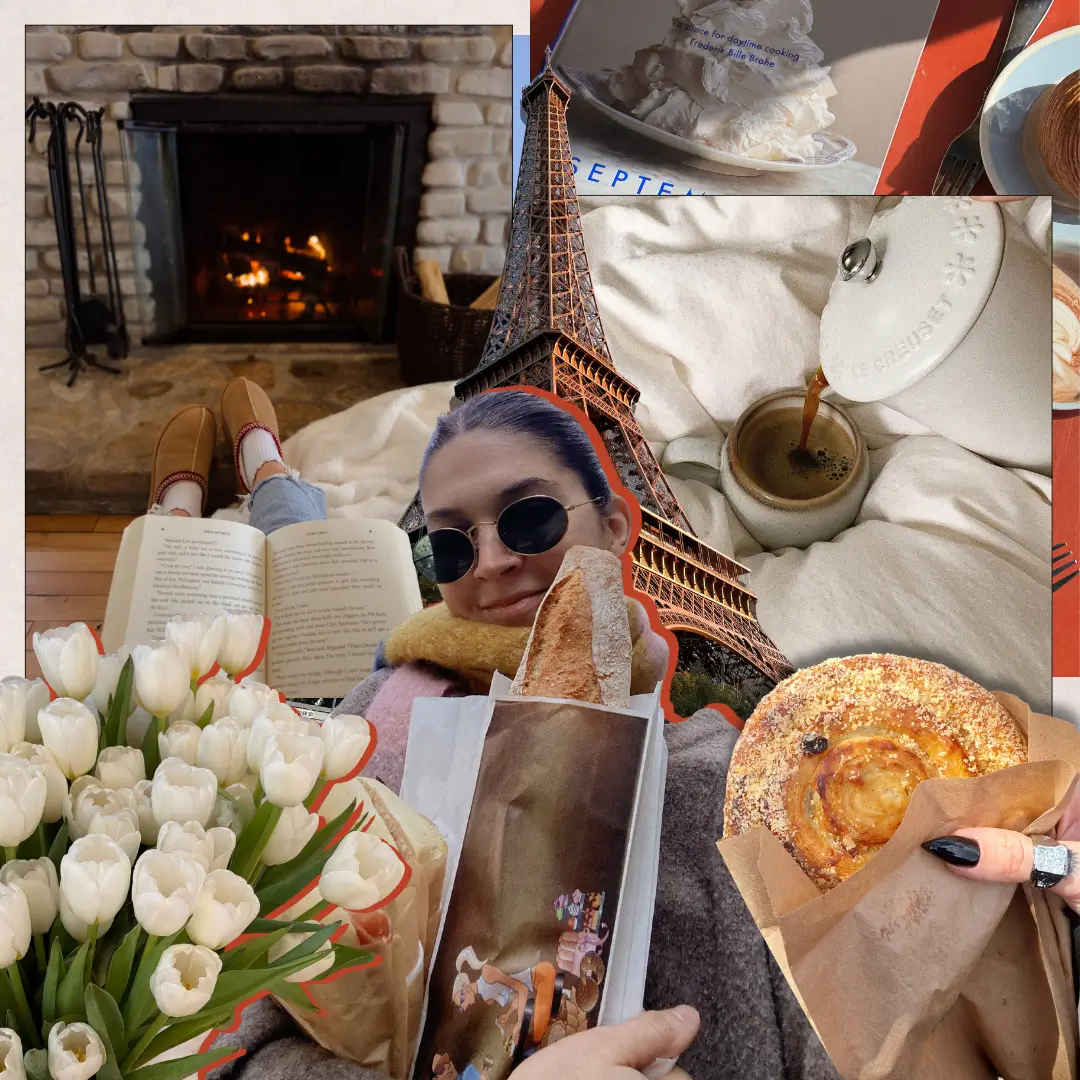
There’s a reason French women have been the subject of approximately ten thousand lifestyle books, countless Pinterest boards, and at least one deeply polarizing Netflix series.
It’s not the skincare (although the skincare is excellent), or the fashion (although the fashion is excellent).
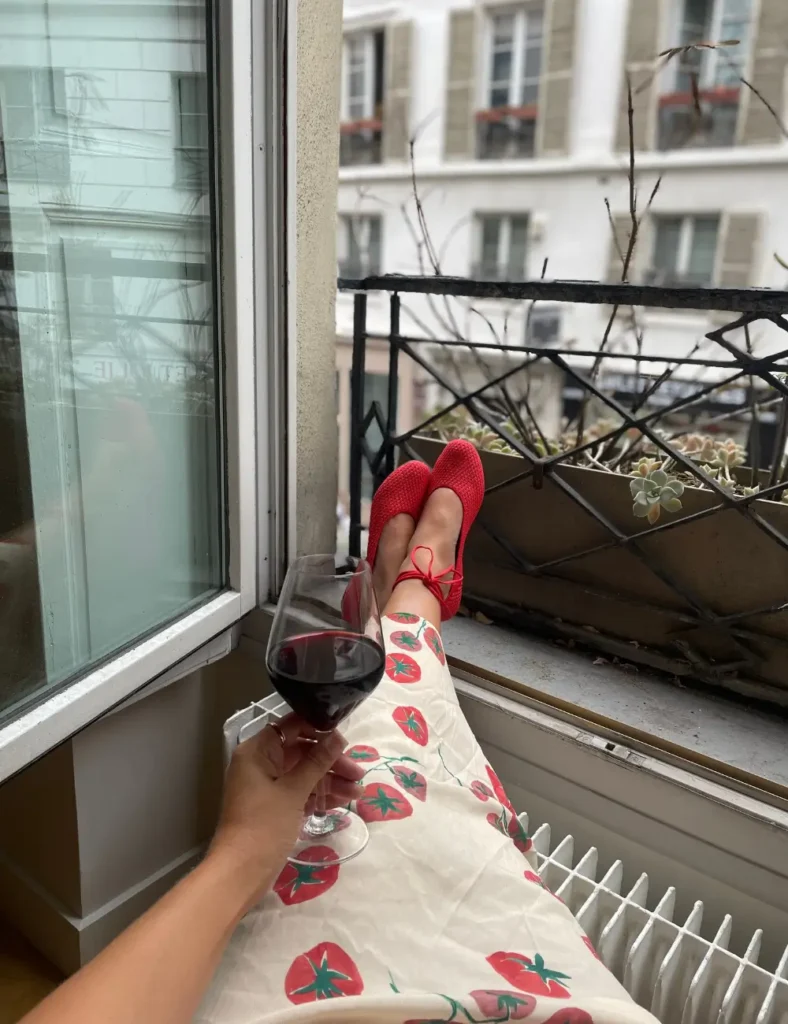
It’s the way they seem to have collectively decided that ordinary days are worth doing beautifully, and nowhere is that more evident than in the way a Sunday gets spent.
The French Sunday is not a productivity exercise. It’s not a self-improvement project. It’s not a content opportunity, although it photographs extremely well if you happen to have a camera nearby.
PIN FOR LATER 📌
It’s simply a day lived slowly, intentionally, and with the kind of sensory pleasure that most of us reserve for special occasions and the French seem to apply to a perfectly ordinary weekend.
I started doing French Sundays after a particularly relentless few months of treating weekends like a spillover for everything the week hadn’t finished, and the difference was embarrassingly immediate.
Turns out a day that includes fresh flowers, a long lunch, a walk with no destination, and a book that actually gets read does considerably more for the soul than a Sunday spent catching up on admin and feeling vaguely guilty about the laundry.
Here’s everything you need to know about what a French Sunday actually is — and how to have one that doesn’t require a Parisian apartment or a beret.
What Is a French Sunday?
A French Sunday is exactly what it sounds like: a Sunday approached the way the French approach most things worth doing.
With pleasure, without urgency, and with considerably more attention paid to the quality of the experience than the quantity of things accomplished.
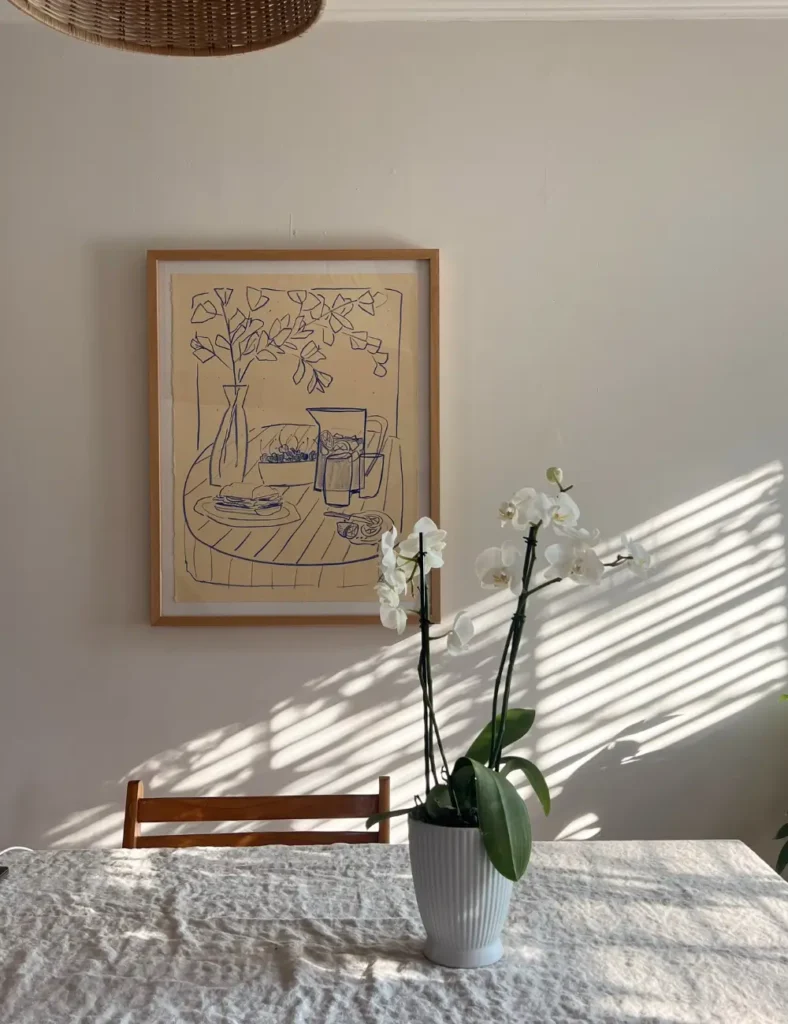
The concept draws from the French cultural relationship with leisure, which treats rest and pleasure not as rewards for productivity but as essential components of a life well lived.
The long lunch that goes on for three hours because the conversation is good. The afternoon walk that has no fitness goal attached to it.
The glass of wine or the excellent cup of coffee consumed sitting down, outside if possible, with nowhere to be immediately afterward.
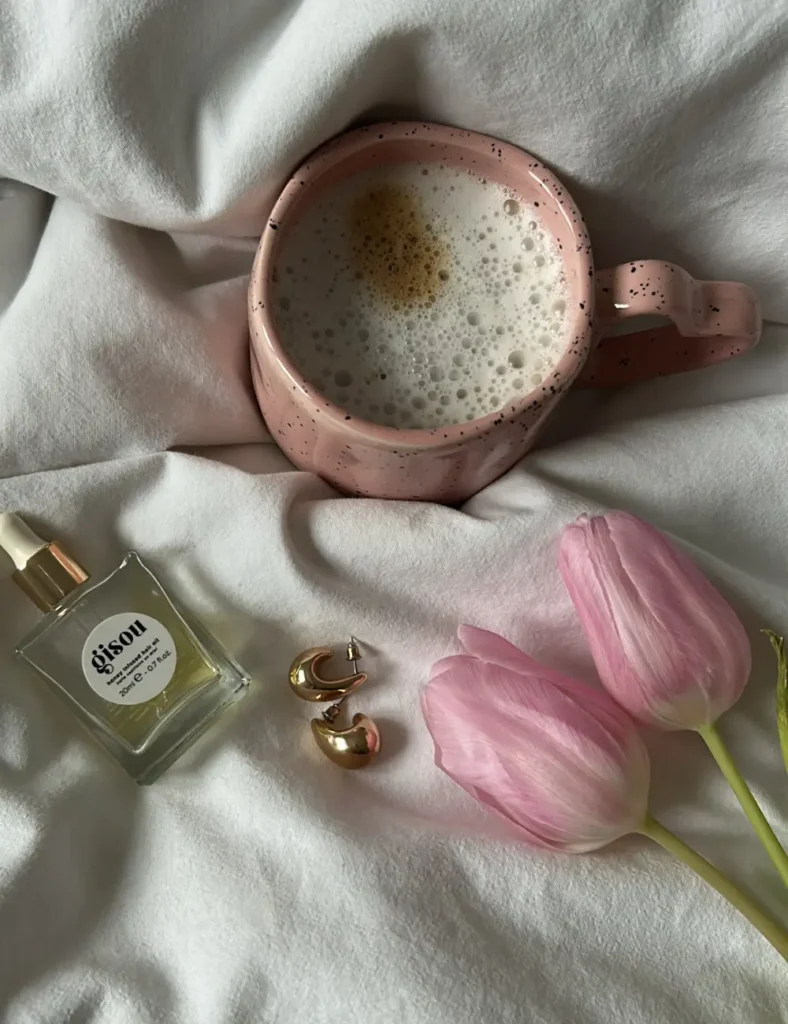
It’s a full-day version of the slow morning philosophy, the same principles of presence, sensory pleasure, and intentional unhurriedness applied across an entire Sunday rather than just the first hour of it.




The French Sunday Principles
Before getting into the specifics, the philosophy is worth understanding first.
A French Sunday is guided by a few consistent values that shape how the day is approached rather than what specifically happens in it.
- Pleasure is the point. Not productivity. Not self-improvement. Not ticking anything off a list. The French Sunday is organized entirely around what feels genuinely good — what tastes good, what looks beautiful, what produces the particular satisfaction of a day well spent rather than a day well used.
- Quality over quantity. One really good meal rather than several adequate ones. One beautiful bunch of flowers rather than a house full of decoration. One book genuinely read rather than three half-started. The French Sunday is about depth of experience rather than breadth of activity.
- Slowness is a practice, not a default. A French Sunday doesn’t happen by accident. It requires the deliberate decision to move slowly, to resist the pull of the to-do list, and to treat the day as belonging to pleasure rather than obligation. This is harder than it sounds in a culture that has thoroughly conflated busyness with value.
- Beauty in the ordinary. The French Sunday finds beauty in what’s already available — the light through the kitchen window, the smell of something baking, the particular pleasure of a walk in a familiar neighborhood seen with fresh attention. It doesn’t require anything extraordinary. It requires extraordinary attention to the ordinary.
The Elements of a French Sunday
The Morning
Wake up without an alarm if possible. The French Sunday morning begins at whatever time the body decides, which for most people turns out to be earlier than expected when there’s no pressure to be anywhere. The absence of an alarm is itself a pleasure worth noticing.
Make a proper breakfast and eat it properly. This is non-negotiable. The French Sunday breakfast is not a protein bar consumed over the sink.
It’s something made with some care and eaten sitting down, ideally at a table that’s been set rather than just occupied.
The French Sunday breakfast options:
- Tartines — good bread, properly toasted, with good butter and something worth putting on it. Jam, honey, a smear of something excellent. Simple and completely satisfying.
- Soft scrambled eggs made slowly, on good bread, with fresh herbs if they’re available
- A bowl of yogurt with fruit and honey that looks like something from a Parisian café because it genuinely is something from a Parisian café, made at home for a fraction of the price
- Crêpes, if the Sunday has the energy for it. The process of making crêpes is itself a French Sunday activity — slow, slightly meditative, and producing something genuinely delicious
Make the coffee or tea as well as it can possibly be made. The French relationship with coffee is specific.
It’s short, it’s strong, it’s drunk sitting down, and it’s the entire focus for however long it takes to drink it rather than a background activity happening alongside something else.
A café au lait in a wide ceramic bowl if the morning calls for it. An espresso, if that’s the preference. Made well, consumed slowly, with full attention.
Read something physical. A newspaper, a magazine, a book. Something that exists in the physical world rather than on a screen.
The French Sunday morning includes reading as a genuine leisure activity rather than a self-improvement exercise, not a business book, not a productivity podcast, not a self-help guide.
Something enjoyable, something absorbing, something that makes the morning feel genuinely cultural rather than just slow.
The Market or the Shops
Go somewhere to buy something beautiful and edible. The French Sunday mid-morning activity is the market or the specialty food shop, not a grocery store run, not a functional errand, but a genuine pleasure expedition.
The farmers’ market, if one is accessible. A good bakery. A specialty cheese shop. A flower stall.
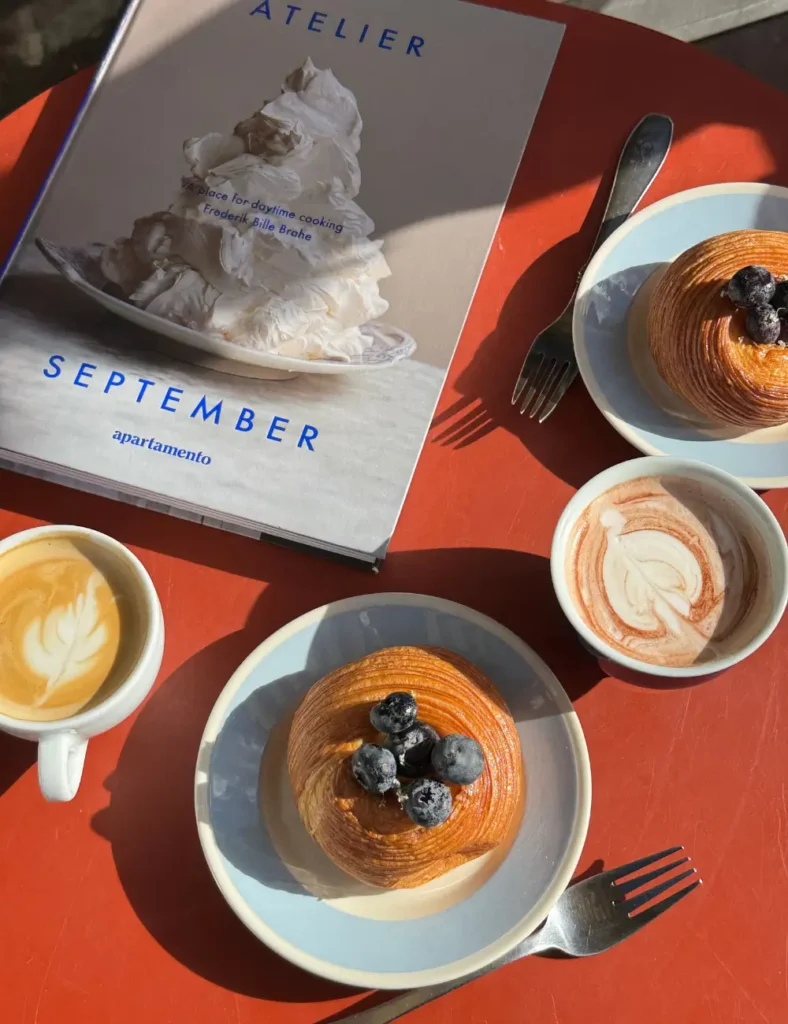
The point is not efficiency. The point is the experience of selecting things slowly and with genuine care, choosing the cheese that looks most interesting, buying the flowers that smell best, picking the bread that looks most worth eating.
The French approach to food shopping is the opposite of the weekly grocery run. It’s an activity in itself rather than a task to complete.
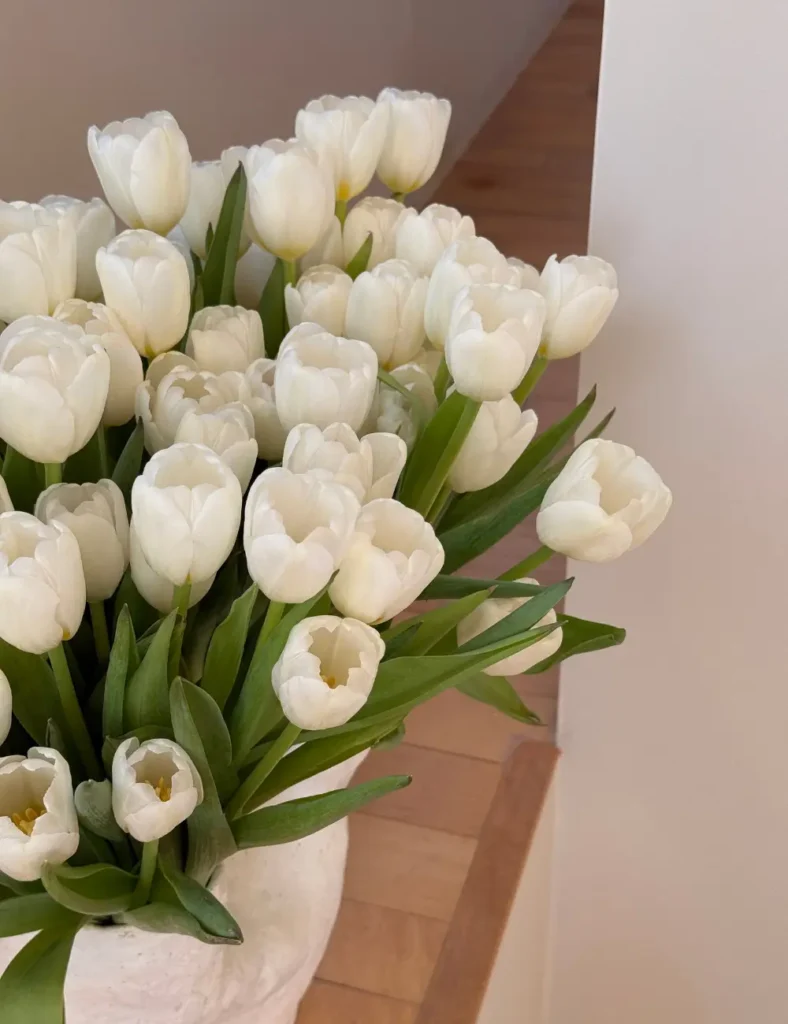
Buy flowers. Always buy flowers. This is the French Sunday rule that makes the most immediate difference to the quality of the day and the week that follows it.
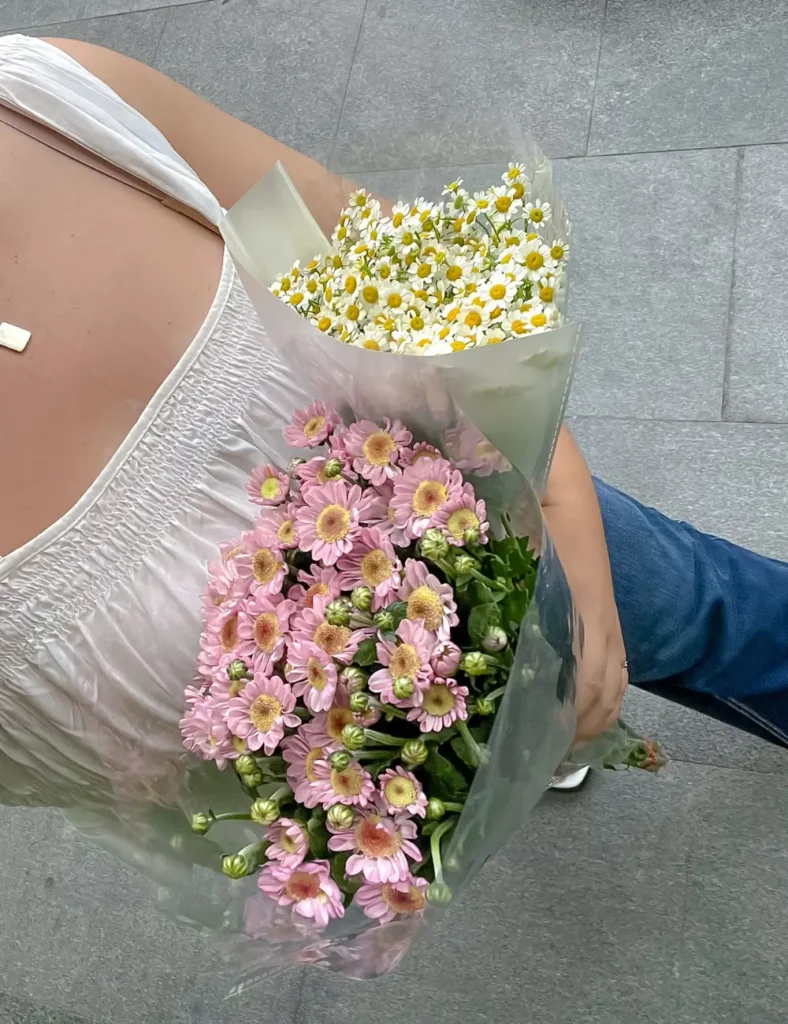
Fresh flowers on the table, chosen because they’re beautiful rather than because they’re on sale, change the atmosphere of a home in a way that’s disproportionate to what they cost.
I started buying myself flowers every Sunday about two years ago, and it’s become the non-negotiable French Sunday element for me personally, the one that, more than anything else, makes an ordinary Sunday feel like a genuinely special one.
The Lunch
Make lunch the main event. The French Sunday lunch is not a quick sandwich eaten while doing something else.
It’s the centerpiece of the day, a proper meal, made with the ingredients sourced that morning, eaten slowly at a properly set table with people worth eating with or in genuinely enjoyable solitude.
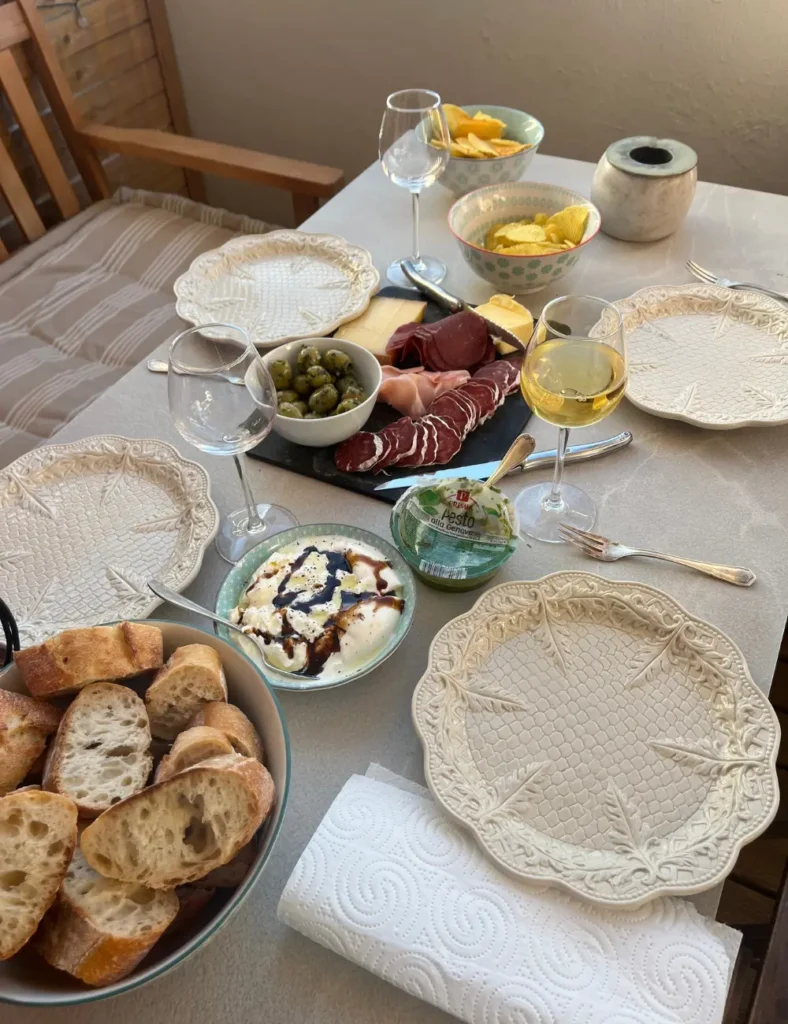
The French Sunday lunch doesn’t need to be elaborate. It needs to be good. A simple roast chicken with properly made sides.
A tart made with whatever vegetables looked best at the market. A charcuterie and cheese spread that requires assembly rather than cooking.
Pasta made from scratch if the afternoon has the energy for it, and the reward of good pasta feels worth the thirty minutes.
Set the table properly. Cloth napkins, if they exist. Real plates rather than whatever was closest. A candle if it’s that kind of afternoon.
A vase with some of the morning’s flowers. The act of setting a table properly changes the experience of eating at it, a detail that takes three minutes and produces a meal that feels like an occasion rather than a refuelling stop.
Linger over it. This is the part most people find hardest and most worth practicing. The French Sunday lunch goes on for as long as it goes on.
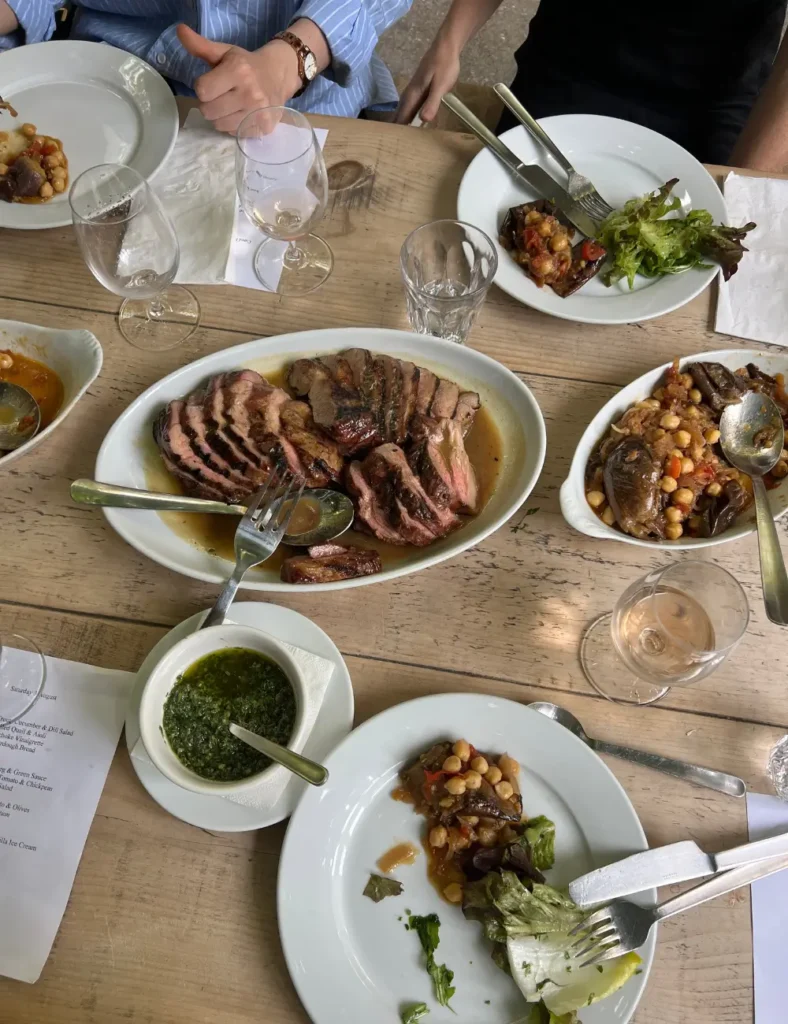
Seconds if they’re wanted. A cheese course if the appetite allows. A dessert that was made that morning or bought from the bakery. The conversation that develops when nobody is checking the time.
The Afternoon
Do one thing purely for pleasure. The French Sunday afternoon has a single brief: enjoyment. No errands, no catching up, no productive use of the time. One activity chosen entirely because it produces genuine pleasure and for no other reason.
The options:
- A walk with no route and no fitness goal. The French Sunday walk is a flaneur activity — wandering, noticing, stopping when something is worth stopping for. A new neighborhood, a familiar park seen slowly, anywhere that produces the particular pleasure of being outside without a destination.
- Reading in a genuinely comfortable spot with genuinely good light. The book that’s been on the bedside table for three weeks finally getting the attention it deserves.
- A long bath or a genuinely indulgent skincare moment. The Sunday afternoon is the natural home of the face mask, the long soak, the beauty ritual that the week never has time for.
- A creative activity done purely for enjoyment — sketching, baking something ambitious, arranging the flowers bought that morning, writing something that nobody will read.
- A nap, if the afternoon calls for one. The French have a complicated relationship with the nap — it’s less culturally embedded than in Spain or Italy — but a Sunday afternoon rest taken without guilt is perfectly within the spirit of the day.
Stay off social media for as much of it as possible. The French Sunday afternoon is not a content opportunity. It’s not a series of stories.
It’s not a flat lay of the lunch or a mirror selfie in the market. It’s a day lived for its own sake rather than its documentation, which produces a quality of presence that the documented version never quite replicates.
This is genuinely harder than any other French Sunday principle and genuinely more worth attempting.
The Evening
Make something simple and eat it well. The French Sunday evening meal is lighter than the lunch — a reflection of the fact that the lunch was the main event and the evening is its quieter coda.
A simple soup made from whatever was left from the market. A cheese plate with good bread and some charcuterie. Leftovers from the lunch elevated slightly by being plated with some care.
The French Sunday evening is not the moment for an ambitious cooking project. It’s the moment for something effortless that still tastes excellent, eaten in the warm atmosphere of a day well spent.
Create a genuinely cozy evening environment. Candles rather than overhead lights. Something warm to drink.
The continuation of the afternoon’s reading or a film worth watching properly rather than half-watching while doing something else.
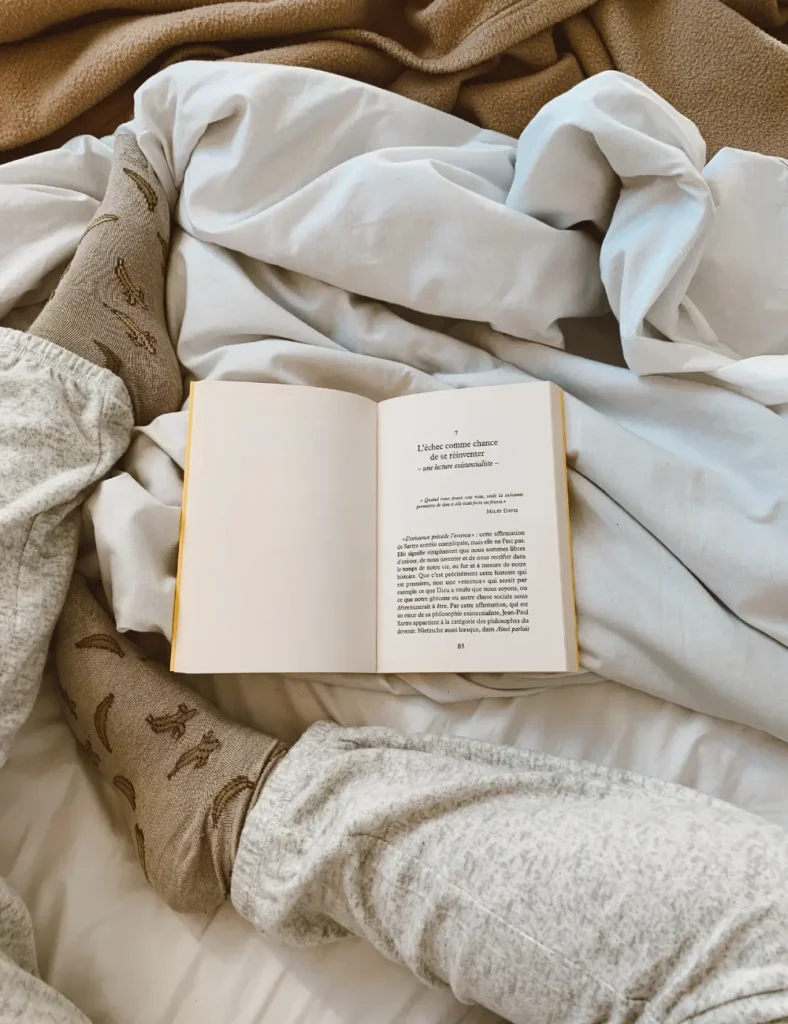
The French Sunday evening has the same quality of intentional comfort as the rest of the day, the closing chapter of a day that has been, by design, thoroughly enjoyable.
Prepare for the week without dreading it. The Sunday evening dread, the specific anxiety of a weekend ending and a week beginning, is significantly reduced by a day that has been genuinely restorative rather than just passively passed.
The French Sunday evening preparation for the week is brief and untroubled: tomorrow’s outfit considered, the week roughly planned, and then returned to the evening’s pleasures rather than spiraled into anxiety about Monday.
The French Sunday Starter Kit
The items that make a French Sunday easier to actually have rather than just aspire to.
- Fresh flowers — from a farmers market, a flower stall, or a grocery store with a decent floral section. Buy them every Sunday. Non-negotiable.
- Good bread — from an actual bakery if one is accessible, the best available option if not. The quality of the bread sets the tone for the entire day’s eating in a way that sounds dramatic and is completely accurate.
- A French press or pour-over setup — for the coffee that deserves to be made properly rather than efficiently.
- Cloth napkins — the detail that makes every meal feel more like an occasion. A set of linen napkins in a neutral tone that washes well and looks good on any table.
- A physical book currently being enjoyed — not aspirationally on the shelf, actually being read. The French Sunday reading is the reading that actually happens rather than the reading that’s planned.
- A farmers market tote — for the morning expedition that’s as much about the experience as the ingredients.
- A good candle — for the evening atmosphere that closes the day properly.
Why the French Sunday Is Worth Having
The French Sunday is not an escape from ordinary life.
It’s an argument that ordinary life is worth doing beautifully — that a Sunday spent with genuine attention to pleasure, beauty, and presence produces something that a Sunday spent catching up, scrolling, and half-resting simply doesn’t.
The research on rest, restoration, and the quality of attention brought to leisure time consistently finds that genuine psychological restoration requires actual disengagement from productivity and genuine engagement with pleasure.
The French Sunday is essentially an intuitive application of that research, practiced culturally for generations before anyone thought to study why it works.
It works because pleasure is not a reward for productivity. It’s a component of a life well lived, available every Sunday, requiring nothing more than the decision to treat the day as belonging to enjoyment rather than obligation.
TRY THIS NEXT: 10 Easy Sunday Habits That’ll Make Your Entire Week Feel Calmer