


First it was silent walking. Then fart walking (yes, really). Now “lymphatic walking” is the wellness trend taking over social media, and it comes with some pretty big promises.
So what is lymphatic walking?
In plain English, it’s a regular walk with a few intentional tweaks: swinging your arms, standing tall and taking deeper breaths, all meant to encourage lymph flow around your body.
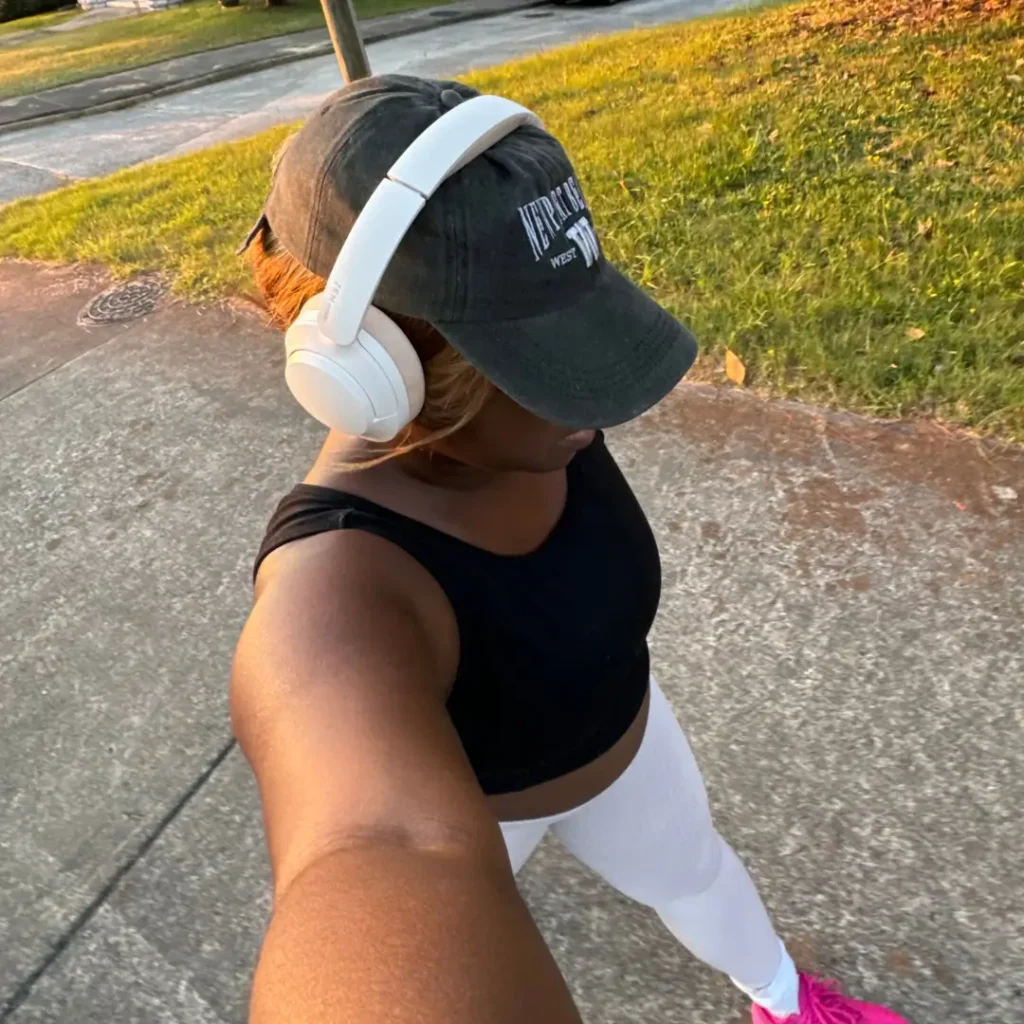
No gadgets, no gym membership, no experience required… thank goodness!
The claims, though? Detoxing, debloating, a flatter stomach, and a stronger immune system.
Ambitious, shall we say.
Here’s what the experts actually say. Walking really does support your lymphatic system, since it relies on muscle contraction and movement to keep fluid flowing.
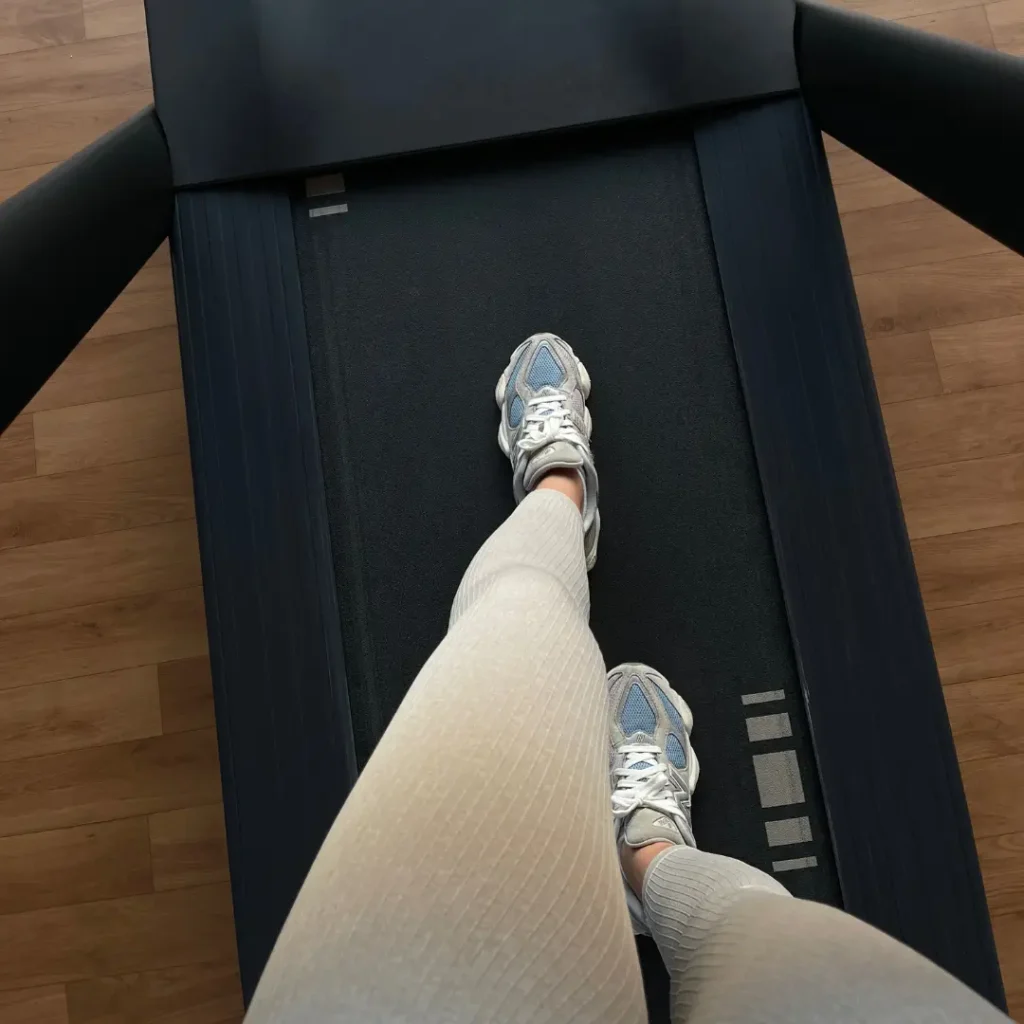
But there’s no clear evidence that lymphatic walking works any better than a regular walk, and the “detox” talk is oversold.
Below, I’m breaking down how lymphatic walking works, how to do it at home (even if you’re a total beginner), and which claims are worth believing. Grab your sneakers… and maybe leave the phone in your pocket.
What Is Lymphatic Walking?
Lymphatic walking is a walking style that focuses on moving with purpose and awareness instead of zoning out.
There’s no strict pace or posture, but the usual ingredients are:
- An upright posture
- Arms that swing loosely
- Slow, deep breathing
- A steady, comfortable pace
That’s really it. If it sounds suspiciously like “walking, but on purpose,” you’re right.
Experts say it’s walking done more intentionally to try to get more out of it for your lymphatic system, not a brand new form of exercise.





Does Walking Help the Lymphatic System?
It does, and this is the part of the trend that checks out.
Your lymphatic system is a network of lymphatic vessels and lymph nodes that moves lymph fluid around your body.
It plays a role in your immune system by carrying immune cells through those vessels and nodes.
Unlike your cardiovascular system, which has the heart as a pump, your lymphatic system doesn’t have a pump of its own. It relies on movement.
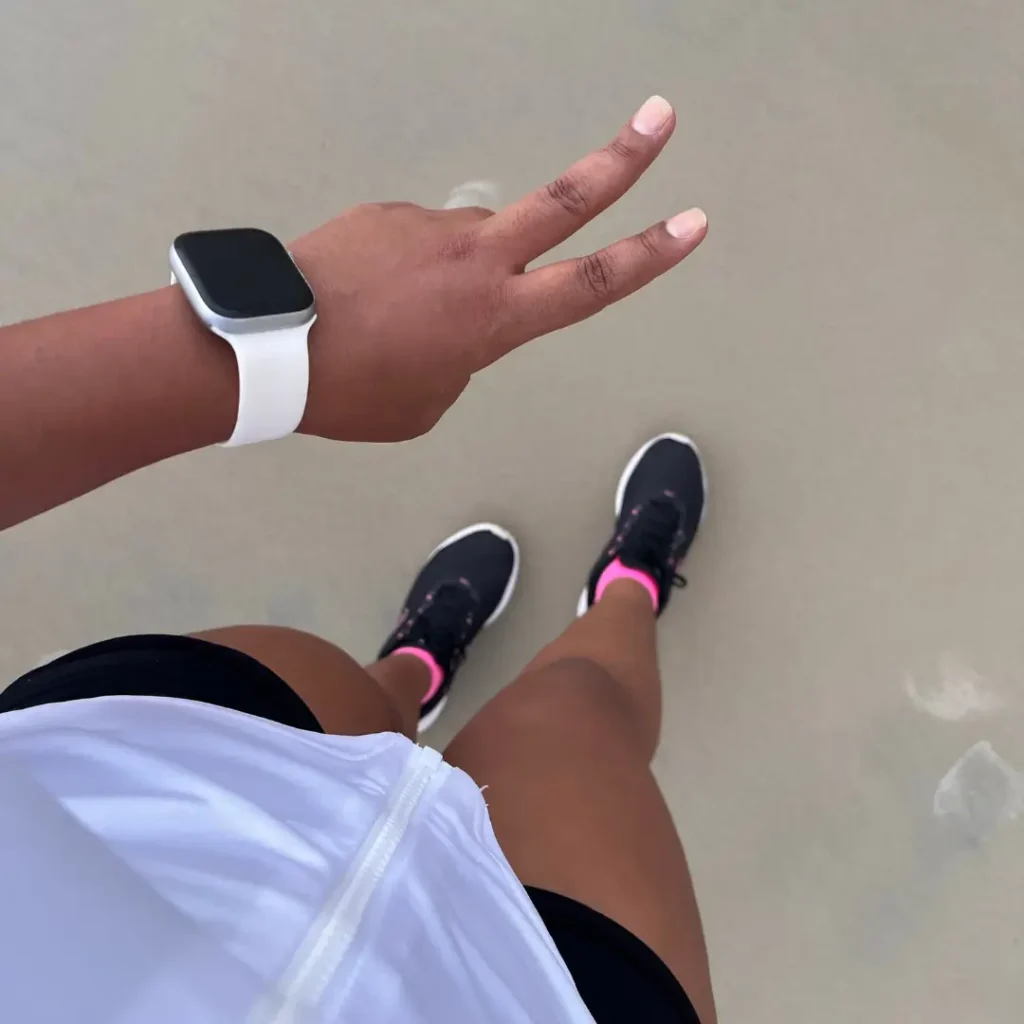
That’s where physical activity comes in. When your muscles contract, they squeeze the nearby lymphatic vessels and help push fluid along.
Deep breathing also changes the pressure in your chest and belly, which can give lymph flow an extra nudge.
Walking works your lower body, swinging your arms involves your upper body, and deeper breaths bring your diaphragm into it, so a “lymphatic walk” covers a lot of bases.
How to Do Lymphatic Walking (for Beginners)
You can try it at home, around the block, or on a treadmill. Here’s a simple way to start:
- Warm up. A few shoulder rolls and a bit of gentle stretching before you head out.
- Stand tall. Relax your shoulders, lift your chest, and look ahead instead of at your phone.
- Swing your arms. Let them move naturally with each step.
- Breathe deeply. Take slow breaths into your belly instead of shallow ones into your chest.
- Keep a comfortable pace. It’s not power walking, so you should be able to chat.
- Aim for 10 to 30 minutes. Many people like doing it after a meal.
Start small, especially if you’re easing back into movement. If your energy is low, our low energy hobbies are a gentle place to start too.
Is Lymphatic Walking Different From Regular Walking?
Slightly, but not in a way that’s been proven to matter.
The tweaks (arm swings, upright posture, and deeper breathing) are reasonable and might help you use more muscles.
But there’s no published research testing lymphatic walking as its own technique against regular walking or other moderate exercise, and that’s the key point.
Walking, climbing stairs, dancing, strength training, swimming, and gardening all involve repeated muscle contraction, so they all support lymph flow too.
Does Lymphatic Walking Help With Weight Loss, Bloating, or Cellulite?
Here’s where the hype gets ahead of the science.
- Weight loss: Walking is good physical activity, and that’s it. There’s no evidence that lymphatic walking “drains” fat or works better for weight loss than any other walk.
- Bloating: A short walk after eating may help you feel more comfortable, and a 2021 study mentioned in Tom’s Guide found 10 to 15 minutes of walking after meals improved bloating, gas, and fullness. That’s about walking after a meal, not lymph.
- Cellulite: Cellulite comes from how fat and connective tissue are structured under the skin, and there’s no good evidence that a specific walking style changes it.
- Detox: Your body already has a system for clearing waste (your liver and kidneys, for starters), and walking doesn’t “clean” your lymph.
Is Lymphatic Walking Legit?
It’s legit in the sense that walking is genuinely good for you and it does support lymph flow. It’s not legit as a miracle fix.
So is it a scam? No, but it’s a wellness trend that’s mostly regular walking with a rebrand.
If it gets you outside and moving more, that’s a win. Just skip anyone selling a pricey “plan” or supplements that promise to flush toxins.
Who Should Check With a Doctor First?
If you have lymphedema, have had lymph nodes removed or have swelling in your legs or arms that you can’t explain, talk to a doctor or physical therapist before trying any new routine.
Persistent swelling can have causes that need proper care, and walking tips from social media can’t replace that.
The Bottom Line
You don’t need a special technique to look after your lymphatic system. You just need to move regularly, ideally in a way you actually enjoy.
So if lymphatic walking is the nudge that gets you out the door, go for it. Stand tall, swing your arms, breathe deeply, and enjoy the fresh air. Just don’t expect it to detox your body or melt anything away.
For more gentle ways to look after yourself, check out our slow morning routine guide and our 12 steps of self care.
FAQ
Yes, it’s a real social media trend, but it isn’t a separate form of exercise. It’s regular walking with a focus on posture, arm swings, and deep breathing.
Walking supports lymph flow, so in that sense, yes. But there’s no clear evidence it works better than regular walking.
Many sources suggest 10 to 30 minutes, often after a meal. Start with whatever feels comfortable.
It can contribute like any walk does, but there’s no proof it’s better for weight loss than normal walking.
Walking helps because muscle contractions and breathing move lymph fluid through the lymphatic vessels. Other types of exercise do too.
This post is for general information and isn’t medical advice. If you have a health condition or concerns about swelling, talk to your doctor.
PIN FOR LATER 📌