
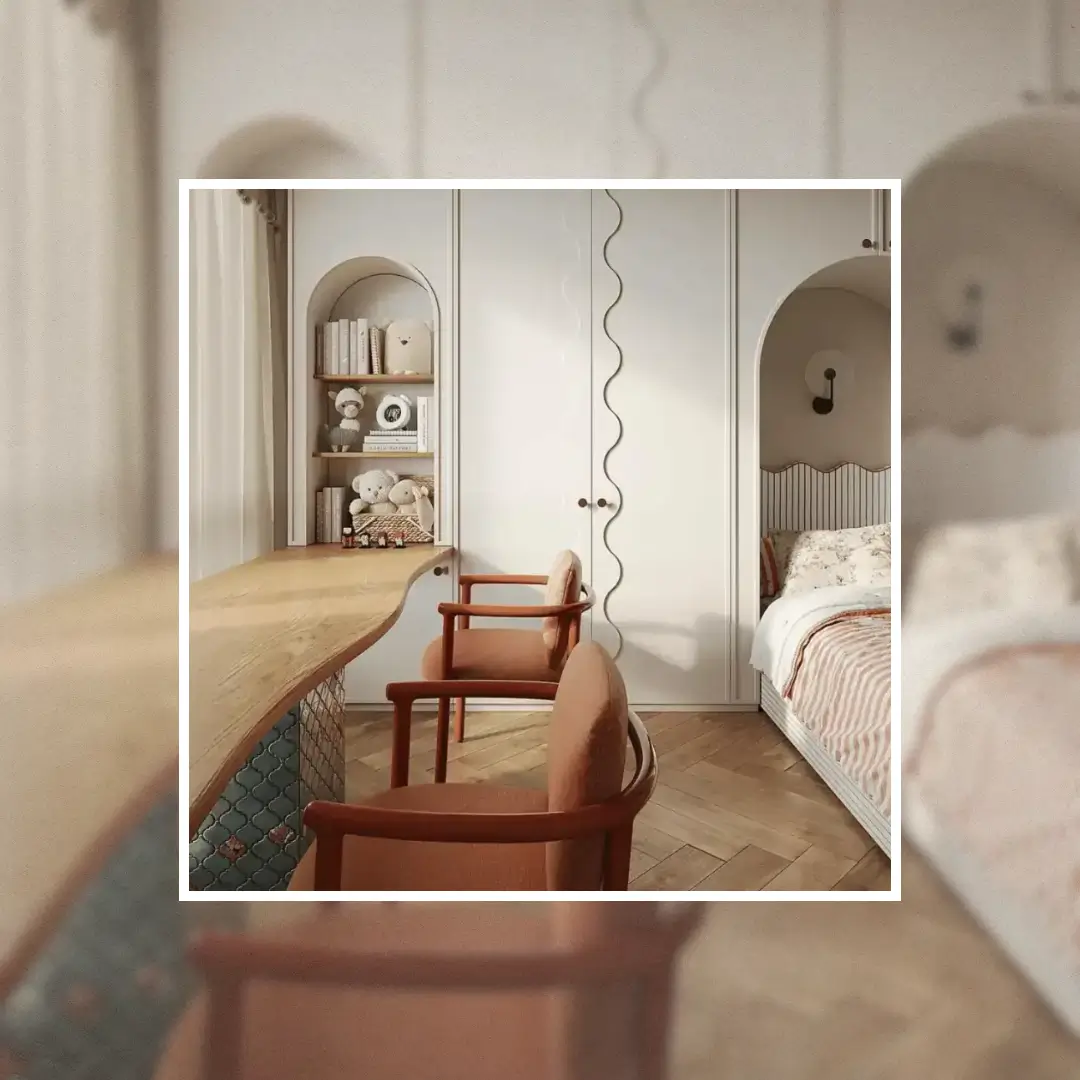
Saying goodbye to clutter and embracing the uncomplicated beauty of a minimalist kid’s room can be transformative, and trust me, it’s easier than you might think!
No, it does not mean parting ways with your little one’s cherished stuffed animals or having to sacrifice style for space.
PIN FOR LATER 📌
These 18 easy ideas will show you how to balance simplicity with all the small, yet essential, things your kiddos love.
We’ll guide you on a friendly exploration to unlock the magic of less is more, demonstrating how swapping chaos for calm with a few savvy solutions can make a big difference in transforming a cramped space into an organized oasis.
Let’s create more room for fun, shall we?
But First, What Is Minimalist Decor?
Minimalism is a design philosophy that emphasises simplicity, using the fewest and simplest elements to create a maximum impact.
It’s not about depriving your child of things they need or love. Instead, it’s about creating a clutter-free environment that allows them to thrive.
Benefits Of Minimalism For Kids
Minimalism offers several benefits for kids:
- De-Cluttering: Minimalism provides simple, time-tested ways to declutter and keep spaces neat and clean, reducing the overwhelm of maintaining a tidy room.
- Valuing Possessions: Embracing minimalism can teach children the value of their belongings and the concept that more things don’t always equate to greater happiness.
- Reduced Cleaning Time: With fewer items in their room, cleaning becomes a breeze, giving your child more time to focus on activities they enjoy.
- Improved Mental Health: A minimalist environment creates a calm and uncluttered space, promoting a sense of peace and well-being for your child.
EVERYONE’S CLICKING ON:

Turns Out Your Friendships Are Secretly Training You to Date Better

Forget Playing It Cool, “Chalance” Is the Dating Trend We All Secretly Wanted

21 DIY Christmas Garland Ideas to Deck Every Inch of Your Home

16 No-Bake Fall Desserts for When You Don’t Want to Turn On the Oven

16 Best Fall Cupcakes for Everything From Bake Sales to Weddings
How To Design A Minimalist Kids’ Bedroom
Designing a minimalist kids’ bedroom doesn’t mean sacrificing fun or creativity. It’s about creating an intentional space that’s clutter-free and fosters a sense of peace.
By focusing on simplicity and functionality, you can craft a room that not only looks great but also supports your child’s growth and imagination.
Here are 18 ideas to inspire your minimalist kid’s bedroom transformation.
18 Minimalist Kids’ Bedroom Ideas
1. Embrace Neutral Tones
Neutral tones are a staple of minimalist design, so choose a color palette that complements the room’s neutral tones. Soft pastels, muted shades, or monochromatic schemes work well in a minimalist kids’ bedroom.
Incorporate pops of color sparingly through accessories like throw pillows, rugs, or artwork. This way, you can create visual interest without overwhelming the space.
Just take minimalist aesthetics like Scandinavian or Japandi design, for example, the color palettes for these aesthetics are far from ‘loud’.
The tones are very neutral, creating a subdued and timeless atmosphere that allows other elements in the room to shine.
2. Streamlined Storage Solutions
Invest in streamlined storage solutions to keep the room organized and clutter-free.
Utilise floating shelves, wall-mounted baskets, or cubbies to store books, toys, and decorative items.
Clear plastic bins are ideal for organizing small toys and craft supplies. Labelling containers can help your child identify where each item belongs, making clean-up a breeze.
3. Declutter Regularly
Regular decluttering is essential to maintain a minimalist kids’ bedroom.
Encourage your child to let go of toys, clothes, and items they no longer use or need.
Teach them the value of donating to those in need and create a habit of tidying up together. By keeping the room clutter-free, you create a calming space for your child to relax and play.
4. Create Zones For Activities
Divide the room into different zones for various activities. Create a designated play area with low shelves or baskets for toys.
Designate a cozy reading nook with a comfortable chair or floor cushions and a bookshelf.
By assigning specific areas for different activities, you create a sense of order and purpose in the room.
5. Involve Your Child in the Design Process
Involve your child in the design process to create a space that reflects their personality and interests.
Ask for their input on color choices, decor items, and layout.
Letting them have a say in the design empowers them and fosters a sense of ownership and pride in their room.
6. Optimize Natural Light
Maximize natural light in the room to create an airy and open feel. Keep curtains or blinds light and sheer to allow sunlight to flood the space.
Adequate lighting ensures that every area of the room is well-lit, making it easier to perform tasks and navigate the space efficiently.
If natural light is limited, strategically place mirrors to reflect light and create the illusion of a larger, brighter room.
7. Multipurpose Furniture
Maximize space and functionality with multipurpose furniture. Choose beds with built-in storage drawers or trundle beds that can be tucked away when not in use.
Utilise bookshelves with integrated toy storage bins or ottomans that double as seating and toy storage.
This way, you can keep the room organized while optimising every square inch.
8. Minimalist Wall Art
Choose minimalist wall art that complements the overall theme of the room.
Simple line drawings, abstract prints, or typography art can add visual interest without overwhelming the space.
Opt for a few carefully selected pieces that resonate with your child’s personality or interests. Remember, less is more when it comes to minimalist wall decor.
9. Embrace Natural Materials
Incorporate natural materials into the room to create a warm and inviting atmosphere.
Choose wooden furniture, rattan baskets, and cotton or linen bedding.
These natural textures add depth and character to the space while providing a sense of connection to the outdoors.
10. Cozy Reading Nook
Design a cozy reading nook where your child can escape into their favorite books.
Place a comfortable chair or bean bag in a quiet corner of the room, accompanied by a bookshelf filled with adventure-filled books.
Add a soft throw blanket and a floor lamp for a cozy ambience. Encourage your child to spend time reading and exploring their imagination in this dedicated space.
11. Minimalist Toy Storage
Keep toy storage simple and streamlined. Opt for baskets or bins that can be easily tucked away when not in use.
Label each container or assign a specific type of toy to each bin, making it easy for your child to find what they’re looking for and put toys away independently.
Remember, the key is to keep the focus on open space rather than overwhelming the room with toys.
12. Personalized Touches
Add personalized touches to the room that reflect your child’s interests and personality; these elements will spark joy and make the room feel uniquely theirs.
Hang a gallery wall with their artwork or display their favorite toys on a floating shelf.
13. Simplify Bedding
Keep bedding simple and minimalistic. Opt for crisp white sheets, a cozy duvet or quilt, and a few accent pillows.
Avoid excessive patterns or busy designs that can overwhelm the space. A clean and serene bed can be a haven for restful sleep and relaxation.
14. Create An Earthy Color Scheme
Choose a calming color scheme with earthy tones that promote relaxation and tranquillity.
Soft blues, greens, or lavender hues can create a soothing atmosphere in the room.
Consider using these colors in wall paint, bedding, or accent pieces to create a space that’s reminiscent of natural elements such as wood, stone, and soil, which can foster a child’s connection to the natural world, inspiring curiosity and a love for the outdoors.
15. Encourage Minimalist Play
Promote minimalist play by providing open-ended toys that encourage imagination and creativity.
Simple toys like building blocks, wooden puzzles, or art supplies can provide hours of entertainment without cluttering the space.
Encourage your child to engage in imaginative play and explore the possibilities of their minimalist toy collection.
16. Incorporate Nature-Inspired Elements
Bring the outdoors inside by incorporating nature-inspired elements.
Hang botanical prints on the walls, display potted plants, or incorporate natural materials like seashells or branches into the room decor.
These elements add a sense of calm and connection to nature, creating a peaceful sanctuary for your child.
17. Keep Technological Clutter To A Minimum
In a minimalist kids’ bedroom, it’s important to keep technological clutter to a minimum. Limit the number of electronic devices and accessories in the room.
Encourage unplugged activities and provide alternative forms of entertainment like books, puzzles, or board games.
By reducing technological distractions, you create a space that promotes creativity and focused play.
18. Mindful Material Choices
When selecting furniture and decor items, opt for eco-friendly and sustainable materials.
Choose products made from natural, non-toxic materials that are safe for your child and the environment.
By making mindful material choices, you create a healthier and more sustainable living environment.
As parents, we want to create spaces that nurture our children’s well-being, creativity, and productivity. Incorporating minimalism into your child’s bedroom decor can do just that!
By adopting a minimalist approach, you can help your little ones focus on what truly matters, promote a sense of calmness, and instil the value of organization from an early age.