
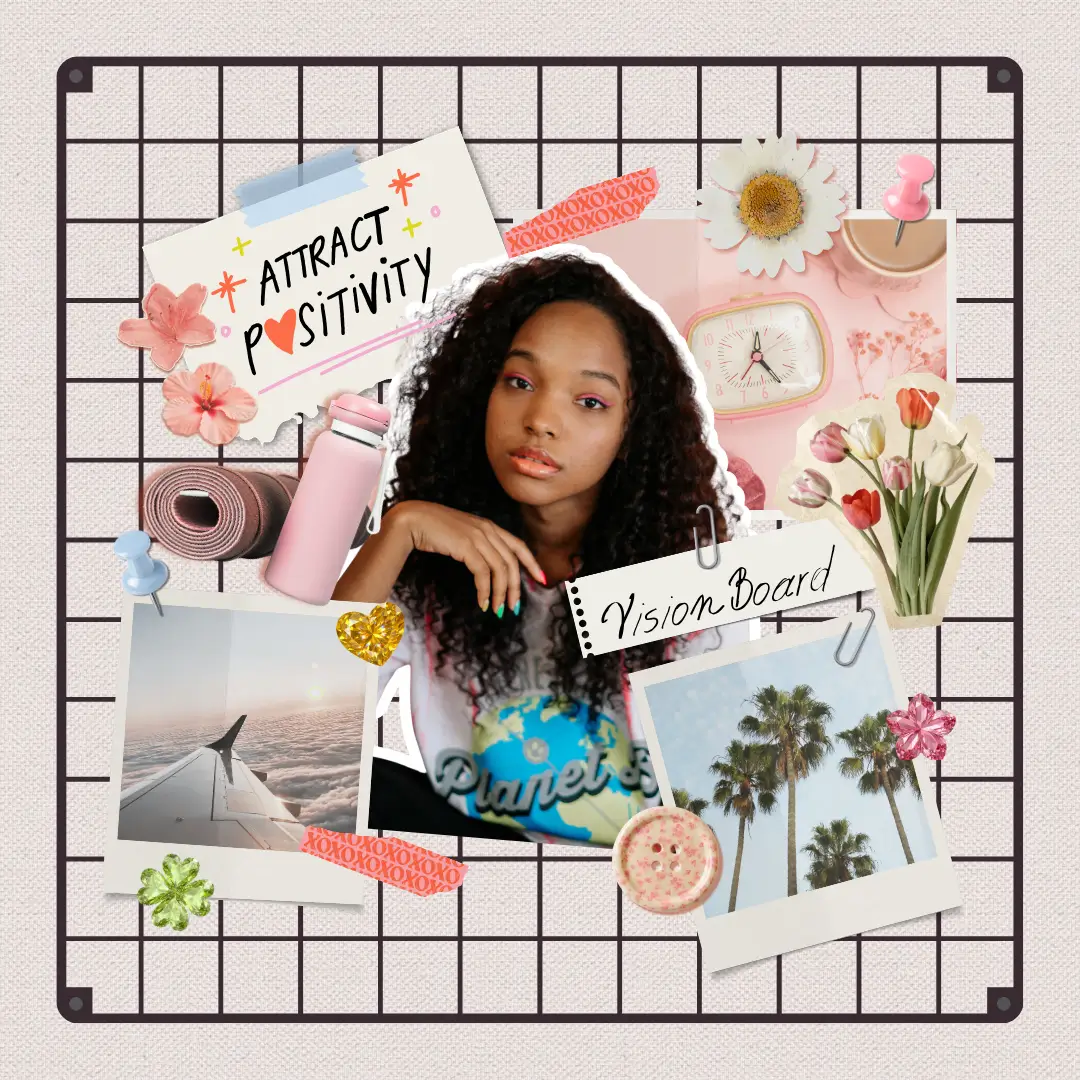
A vision board is one of those things that sounds a little arts-and-crafts-class until you actually make one, and then it quietly becomes one of the most useful things on your wall.
For teens especially, having a visual reminder of your goals, dreams, and the future you’re building toward does something that a to-do list or a notes app simply cannot.
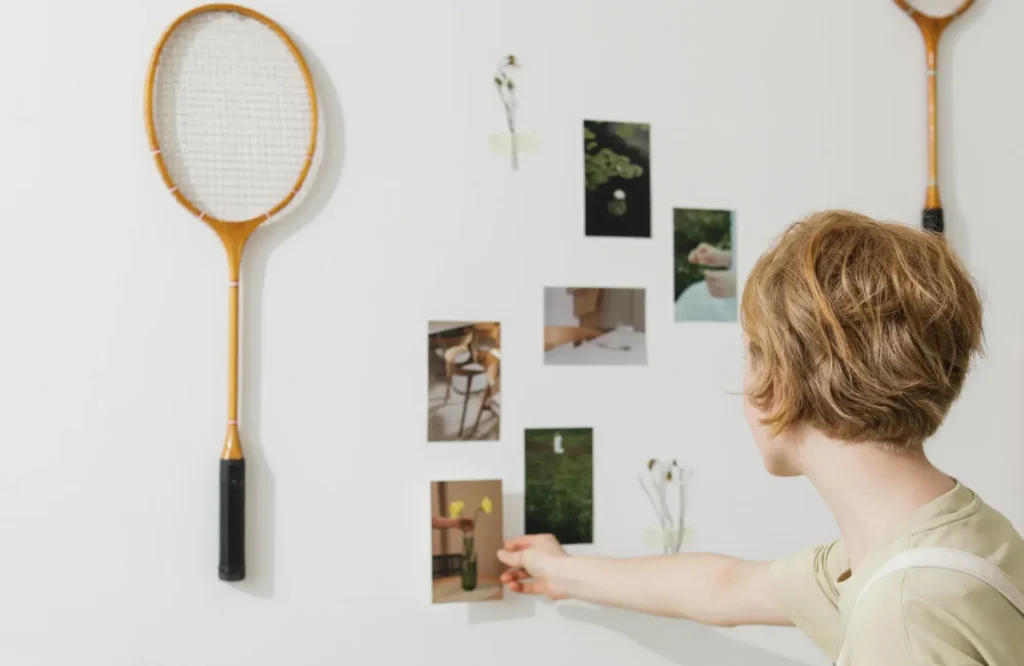
It makes everything feel real and within reach, which at 15 or 17 or anywhere in between, is a genuinely powerful thing.
The beauty of a teen vision board is that there are no rules. Career goals sit next to dream travel destinations.
PIN FOR LATER 📌
A future house aesthetic lives alongside a quote that hits differently every time you read it. College plans, creative ambitions, the life you want to be living in five or ten years, it all belongs on there.
Pinterest is basically built for this moment, and we’re here for it!
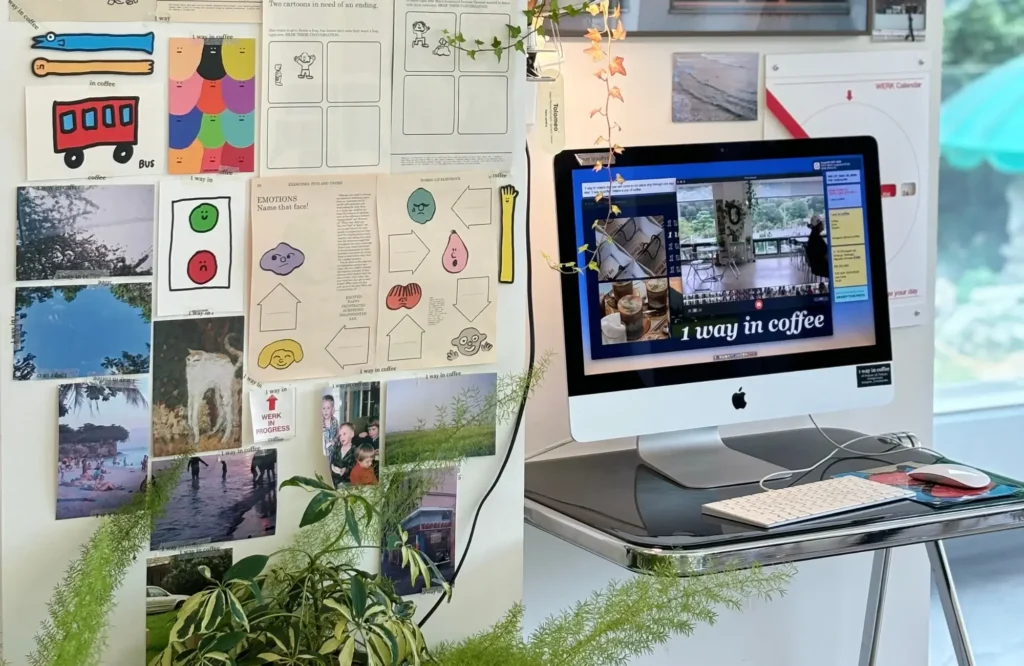
I put this guide together for any teen ready to stop just dreaming and start creating something to actually aim at.
Whether you’re working with a poster board, a digital canvas, or something in between, this is everything you need to build a vision board that looks great and actually means something.
Your future is worth putting on the wall. Let’s get into it.
What Is a Vision Board and Why Do Teens Actually Need One
A vision board is exactly what it sounds like: a visual collection of images, photos, quotes, and goals arranged in a way that represents the life you want to create.
Some people use a physical poster board covered in magazine cutouts. Others build digital versions on Pinterest or Canva.
Both work.
The format matters a lot less than the intention behind it. For teens, a vision board does something particularly useful.

It takes all the big, sometimes overwhelming thoughts about the future, the career you want, the places you want to go, the person you want to become, and turns them into something concrete and visible.
Seeing your dreams laid out in front of you every day is a quiet but consistent reminder of what you’re working toward, even on the days when it feels far away.
Research backs this up, too.
Visualizing goals activates the same parts of the brain as actually experiencing them, which makes you more likely to take the steps needed to get there. So yes, making a pretty collage of your dream life is practically a productivity strategy.
You’re welcome. 😊


Step One: Get Clear on Your Goals and Dreams
Before you cut a single image or save a single pin, spend some time actually thinking about what you want your vision board to represent.
This is the step most people skip, and it’s the reason a lot of vision boards end up looking beautiful but feeling empty.
Ask yourself some honest questions.
- Where do you want to be in five years?
- What kind of career excites you?
- What does your dream life actually look like day to day, not just the highlight reel moments but the ordinary Tuesday version of it?
- What kind of person do you want to be?
- What do you want to feel?
Write it all down, even the things that feel too big or too vague.
A teen vision board is not a business plan; it doesn’t need to be fully formed or realistic by anyone else’s standards.
It just needs to be genuinely yours.
Some good categories to think through:
- Career and Education: What do you want to study? What jobs or industries light you up? Where do you want to be professionally by your mid-twenties?
- Lifestyle and Home: What does your future living situation look like? A city apartment? A house with a garden? Travel-based with no fixed address? Dream it all out.
- Travel and Adventures: Which countries are on the list? What experiences do you want to have before you’re thirty?
- Health and Fitness: How do you want to feel in your body? What habits do you want to build?
- Relationships and People: What kind of friendships do you want? What does a healthy relationship look like to you?
- Personal Growth: Who do you want to become? What qualities do you want to develop? What kind of life do you want to look back on?
Step Two: Gather Your Images and Photos
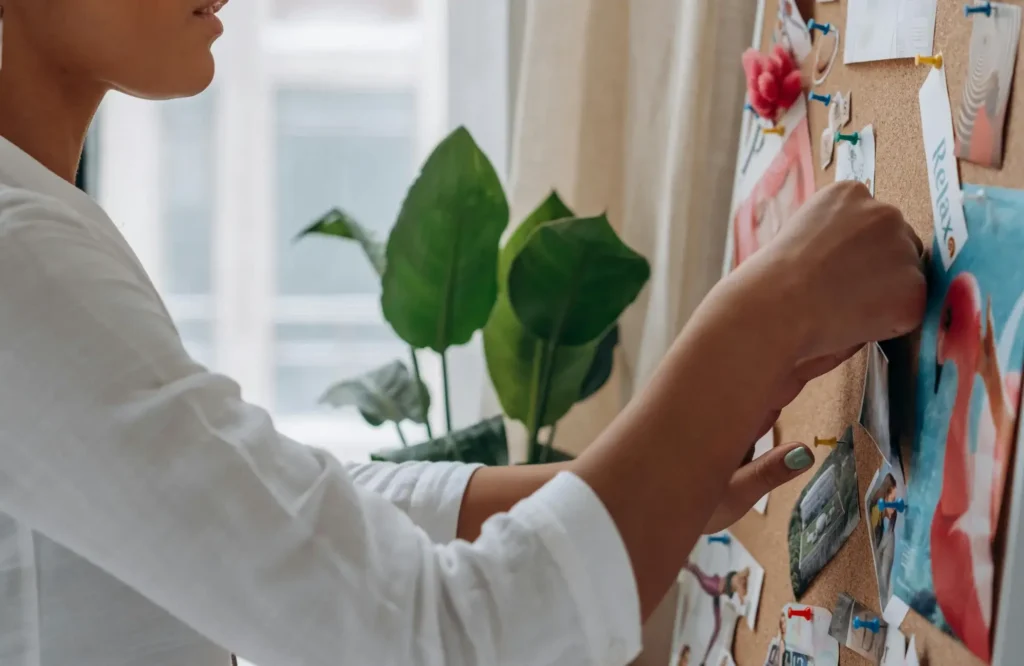
This is the fun part and also the part where most people fall down a three-hour Pinterest rabbit hole. Guilty. Set a time limit if you’re prone to this, because gathering images is only useful if you actually finish the board.
For a physical poster board vision board:
Grab a stack of magazines and go through them with your categories in mind. Cut out anything that resonates, images, words, textures, colors, even just a general feeling.
Don’t overthink it at this stage. You can edit later.
You can also print images directly from Pinterest, which opens up the possibilities considerably.
Search your specific goals: dream career aesthetic, travel destinations, fitness inspo, home interiors, whatever applies.
Save the images that genuinely stop you scrolling and print them out at home.
For a digital vision board:
Pinterest is the obvious starting point and, honestly, one of the best tools for this.
Create a private board, drop everything into it, and then curate it down to the images that feel most intentional.
Canva is equally brilliant for building something more polished, with templates specifically designed for vision boards that make the whole thing look seriously put-together with minimal effort.
YOU MAY ALSO LIKE: 100 Summer Bucket List Ideas For Teens To Make This Your Best Summer Yet
What makes a good vision board image:
The best images for a teen vision board are specific rather than generic.
A photo of the actual city you want to live in beats a vague skyline. A picture of the career environment you’re drawn to beats a stock photo of “success.”
The more personal and specific your images, the more your vision board will actually mean something when you look at it.
Step Three: Create Your Vision Board
Now for the part where it all comes together. A few tips before you start arranging:
For a physical poster board:
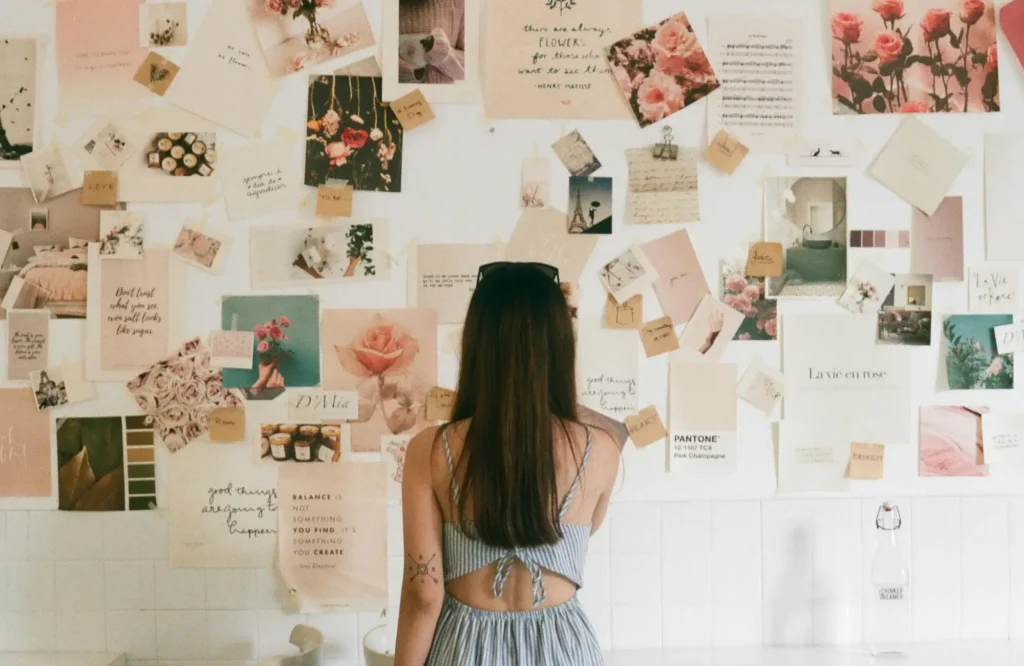
Lay everything out before you start gluing. Move things around until the overall layout feels right. Group similar themes together or mix everything up, depending on what feels more like you.
There’s no wrong way to arrange it as long as it feels intentional rather than chaotic.
Add some handwritten elements too.
Your own handwriting on a vision board adds a personal touch that printed images alone can’t replicate.
Write your most important goals directly onto the board, or add affirmations in your own handwriting alongside the images.
For a digital vision board:
Use Canva’s vision board templates as a starting point, then customize the layout, colors, and fonts to match your personal aesthetic.
Keep the color palette cohesive; it makes the whole thing look more pulled-together and is genuinely more satisfying to look at every day.
Save it as your phone wallpaper, your laptop screensaver, or both. The more you see it, the better it works.
Teen Vision Board Ideas by Category
Not sure what to include?
Here’s a breakdown of ideas across every area of life worth putting on your board.
Career and Future Goals
- Images representing your dream career or industry
- A photo of a university or college you want to attend
- Quotes about ambition, hard work, and success
- A vision of your future workspace or office
- Specific job titles or roles you’re working toward
- Images of people doing work that inspires you
Dream Home and Lifestyle
- Interiors that represent your future home aesthetic
- The city or neighborhood you want to live in
- A lifestyle that feels aspirational but achievable
- Images of the everyday life you’re building toward
- Your dream morning routine captured in a photo
Travel and Adventures
- Specific destinations on your bucket list
- Experiences rather than just places, a road trip, a solo adventure, a specific hike
- Images that capture the feeling of freedom and exploration
- Maps, passport stamps, or travel flat lays
Health, Fitness and Wellbeing
- Fitness goals that feel genuinely motivating, not intimidating
- Images representing how you want to feel in your body
- Healthy food aesthetics, if that resonates
- Mental health and self-care rituals worth building
Relationships and People
- Friendship goals and the kind of community you want around you
- Quotes about loyalty, love, and meaningful connection
- Family moments if that’s important to you
- The kind of partner and relationship worth manifesting
Personal Growth and Identity
- Quotes that genuinely mean something to you
- Images representing qualities you want to develop
- Books you want to read, skills you want to learn
- The version of yourself you’re growing into
The Best Quotes to Add to a Teen Vision Board
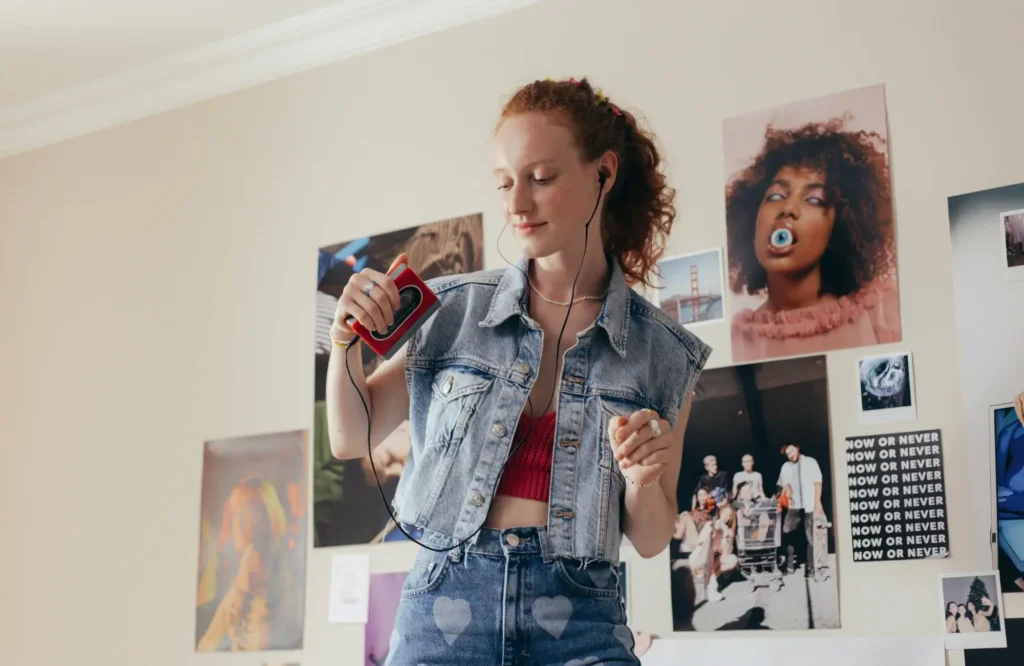
A great quote on a vision board does two things: it looks good, and it means something.
Skip the generic ones you’ve seen on every motivational poster since middle school and go for quotes that actually resonate with where you are right now.
A few worth considering:
“The future belongs to those who believe in the beauty of their dreams.”
“You are never too young to have a vision for your life.”
“Build the life you want to live, then live it.”
“Small steps every day still move you forward.”
“Your only limit is the story you keep telling yourself.”
Add your own, too. A personal mantra that nobody else knows the significance of is often the most powerful thing on the whole board.
YOU MAY ALSO LIKE: 30 Low-Cost Hobbies To Start This Month (That Are Actually Worth Your Time)
How to Actually Use Your Vision Board
Making the board is the easy part. Using it consistently is where most people fall short, and it’s the difference between a vision board that works and one that becomes a piece of wall art you stop noticing after two weeks.
- Put it somewhere you’ll genuinely see it every day. Next to your desk, above your bed, as your phone wallpaper. Visibility is everything.
- Look at it with intention, not just a passing glance. Spend thirty seconds each morning actually engaging with it. Remind yourself what it represents and why you put each thing on it. This sounds small, but the cumulative effect over weeks and months is significant.
- Update it. A teen vision board from age fifteen shouldn’t look the same at seventeen. Your goals will evolve, your dreams will sharpen, and your vision board should reflect that. Treat it as a living document rather than a finished product.
- Pair it with action. A vision board is a starting point, not a strategy. For each major goal on your board, identify one concrete step you can take this week toward it. The board keeps the dream visible. The action makes it real.
A Few Final Thoughts
Your teen years are genuinely one of the best times to make a vision board, not because everything needs to be figured out, but because you’re at the exact stage where dreaming big and thinking about the future is not only acceptable but actively useful.
You don’t need to know exactly where you’re going.
You just need a general direction, a few things worth working toward, and a reminder somewhere visible that the life you want is worth building. That’s what a vision board is for.
Make it yours. Update it often.
And take it seriously enough to act on it, because the gap between a dream and a goal is a plan, and the gap between a goal and reality is the work you put in every day between now and then.
Now go make something worth looking at.
YOU MAY ALSO LIKE: