
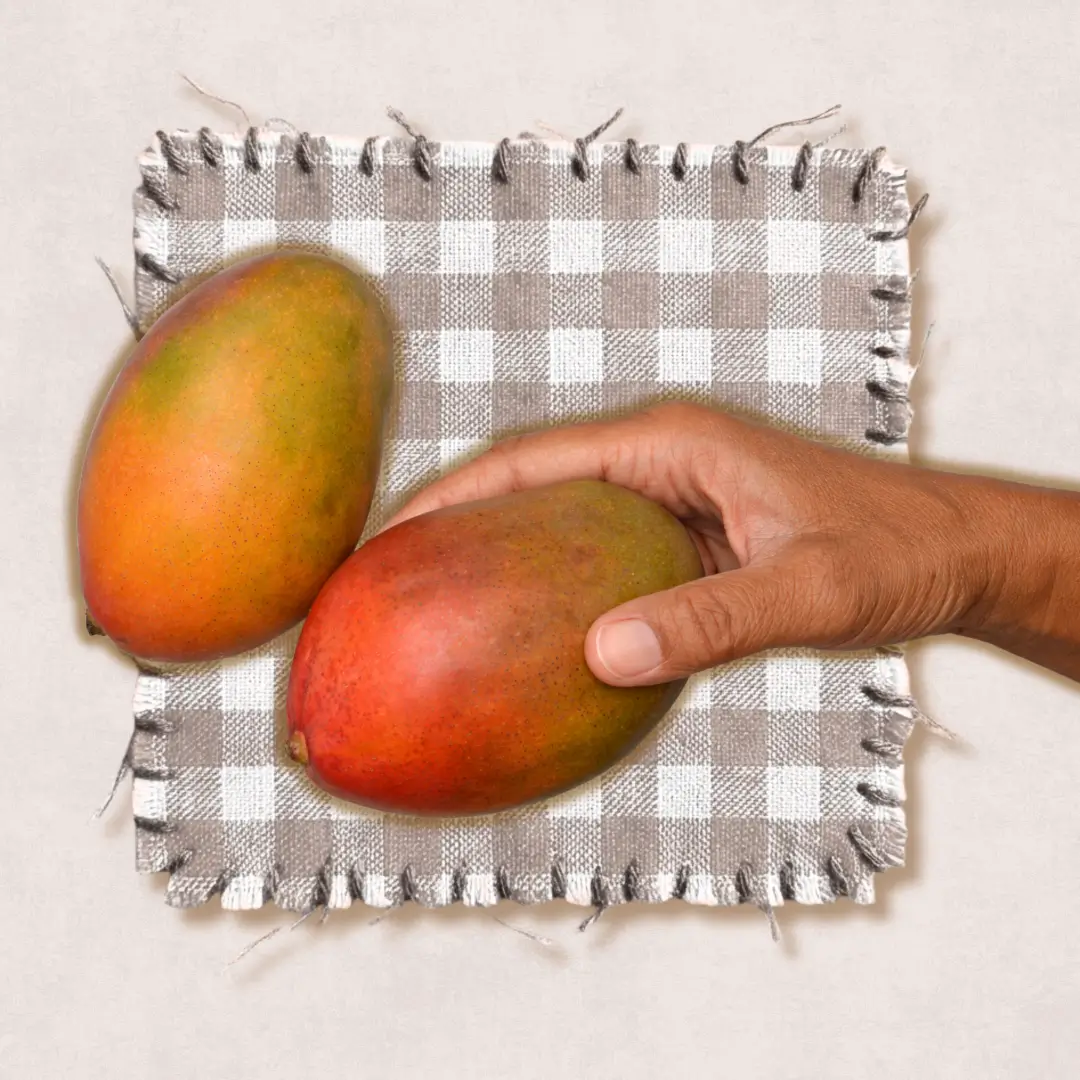
Buying a mango that’s rock hard and then waiting four days only for it to go from bulletproof to overripe overnight is one of life’s more quietly frustrating experiences. 😒
You had a plan. The mango had other ideas.
The good news is that ripening a mango is genuinely one of the easier kitchen skills to master once you know what you’re doing.
Here’s everything you need to know.
How to Tell If Your Mango Is Ripe (Before You Do Anything Else)
Before reaching for any ripening tricks, it’s worth checking where your mango actually is in the process.
- Squeeze it gently. A ripe mango gives slightly under pressure, similar to a ripe avocado or peach. Rock hard means it needs more time. Mushy means you’ve waited too long.
- Smell the stem end. A ripe mango smells sweet and fragrant at the base. No scent usually means it’s not there yet.
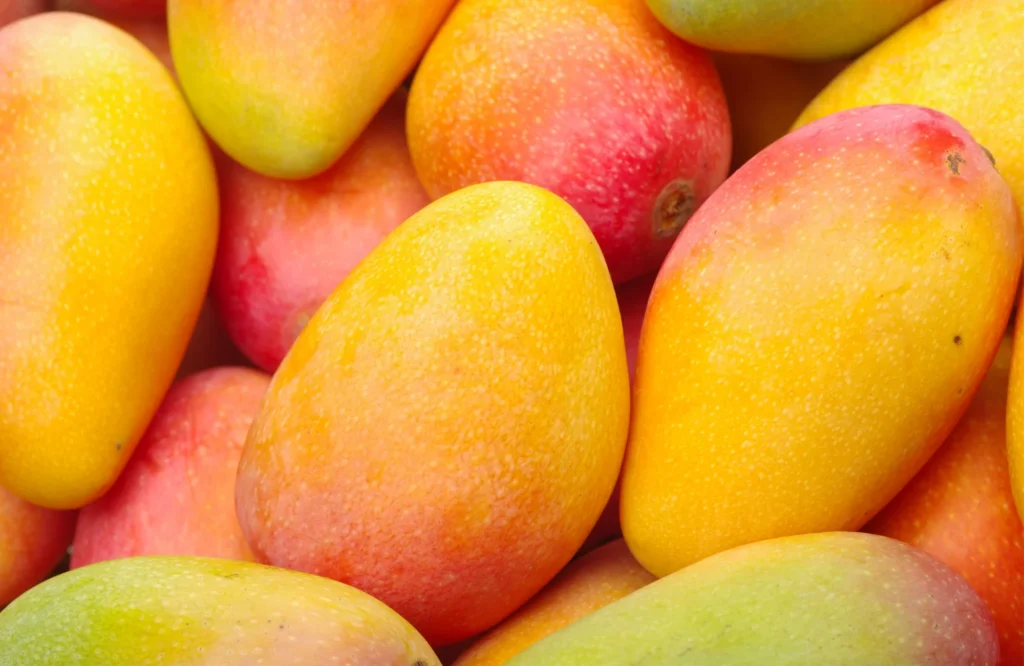
- Don’t rely on color alone. Mango color varies wildly by variety. A perfectly ripe mango can be green, yellow, red, or a combination of all three, depending on the type, so color is one of the least reliable indicators going.
EVERYONE’S CLICKING ON:






How to Ripen a Mango at Room Temperature
This is always the first move and usually the only one you need.
- Place your unripe mango on the counter at room temperature, away from direct sunlight
- Leave it stem-side up if possible
- Check it daily using the squeeze test
- Most mangoes will ripen within two to five days this way
Simple, zero effort, works every time. Patience is genuinely the best ripening method for mangoes and most other fruit.
How to Ripen a Mango Faster: The Paper Bag Trick
In a hurry? This one actually works, and it’s not just a kitchen myth.
- Place your mango in a paper bag with an apple or banana
- Fold the top of the bag loosely closed and leave it on the counter
- Check it after 24 to 48 hours
Apples and bananas release ethylene gas naturally as they ripen, which speeds up the ripening process in surrounding fruit.
It’s the same science behind why a bowl of fruit seems to ripen all at once. A paper bag traps the ethylene close to the mango and accelerates the whole thing significantly.
You can expect a hard mango to ripen one to two days faster using this method.
What Not to Do
A couple of common mistakes worth avoiding:
- Don’t put an unripe mango in the fridge. Cold temperatures halt the ripening process almost completely. An unripe mango in the refrigerator will stay unripe indefinitely and may develop an unpleasant texture in the process.
- Don’t leave a ripe mango on the counter. Once your mango has reached peak ripeness, move it to the fridge immediately. It’ll keep for a further three to five days chilled, versus going overripe within a day or two at room temperature.
- Don’t microwave it. Yes, this is apparently something people try. It softens the flesh without actually ripening the fruit, and the result tastes exactly as you’d expect.
How to Store a Ripe Mango
Once your mango is perfectly ripe:
- Whole: Store in the fridge for up to five days
- Cut: Store in an airtight container in the fridge for three to four days
- Frozen: Peel, cube, and freeze on a tray before transferring to a freezer bag. Frozen mango keeps for up to six months and is genuinely one of the best smoothie ingredients going
The Bottom Line
A ripe mango is one of the best things in a kitchen: sweet, fragrant, endlessly versatile, and worth the wait.
Give a hard mango two to five days on the counter, speed things up with the paper bag trick if you need to, and refrigerate the moment it hits peak ripeness.
That’s really all there is to it.
Your mango patience will be rewarded. It always is. 😋
TRY THIS NEXT: How To Get Rid Of Fruit Flies In The Home (And Keep Them Gone)