

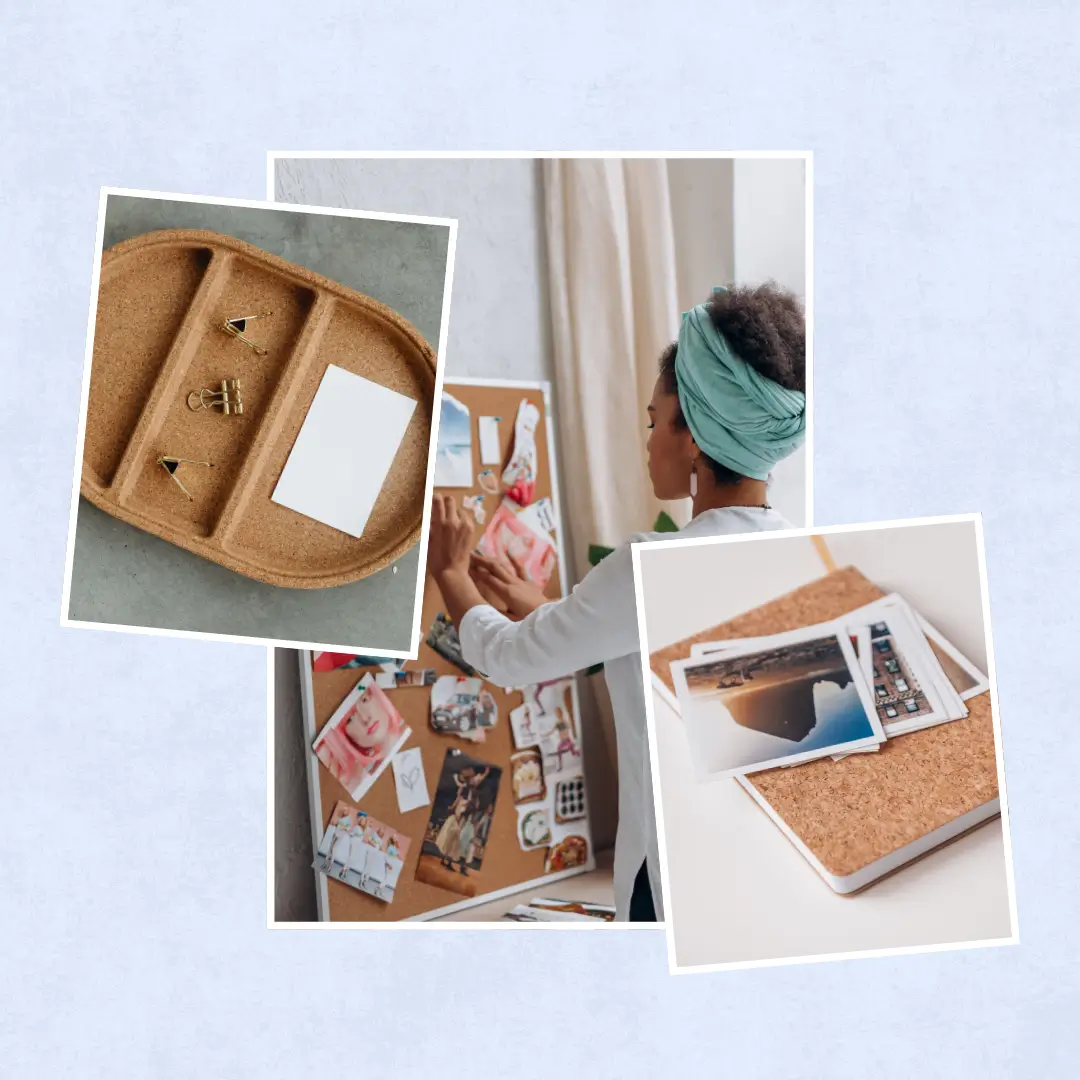
For the longest time, I thought cork began and ended with bulletin boards and wine bottles.
Functional, sure. Exciting? Not particularly.
It wasn’t until I started looking into sustainable home materials that cork kept coming up, and the more I read about it, the more I couldn’t believe I’d been sleeping on it.
Cork is one of those materials that genuinely surprises you.
It’s natural, it’s beautiful, it’s incredibly versatile, and the environmental story behind it is one of the most compelling in the sustainable living space.
Once you know what cork actually is and where it comes from, it completely changes how you see it.
So if you’ve ever walked past cork flooring in a showroom, pinned a cork wall idea on Pinterest, or picked up a cork homeware accessory and put it back down without thinking too much about it, this post is for you.
Here’s why cork deserves a much bigger place in your home than you’ve probably given it.
What Actually Is Cork?
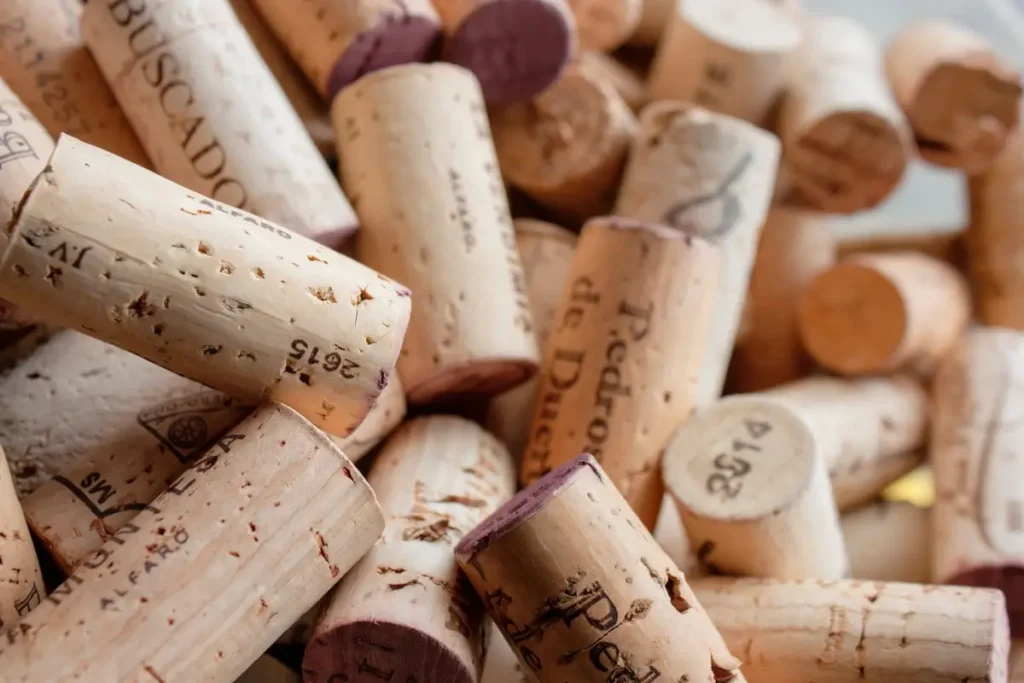
Cork comes from the bark of the cork oak tree, a remarkable species native to the Mediterranean region that has been harvested for centuries.
What makes cork oak trees so special is that the bark is stripped without cutting the tree down.
The tree regenerates its bark naturally, and the process can be repeated every nine years or so throughout the tree’s life, which can span several hundred years.
It’s one of the rare examples of a natural material that can be harvested repeatedly without causing any harm to the tree or the surrounding ecosystem.
In fact, cork oak forests are among the most biodiverse in the world, supporting hundreds of plant and animal species.
The harvesting of cork actually encourages the trees to absorb more carbon dioxide as they regenerate, making cork oak forests a genuinely powerful carbon sink.
All of that, from a piece of material most of us associate with a noticeboard. It’s pretty extraordinary when you think about it.
The Benefits of Using Cork At Home
- It’s One of the Most Sustainable Materials Available: Sustainability is one of the biggest reasons cork is having a well-deserved moment in the home decor space right now. Because the bark is harvested rather than the tree itself, no cork oak trees are felled in the process. The forests are actively maintained, the trees live for centuries, and the material itself is fully biodegradable at the end of its life. If you’re trying to make more conscious choices about the products and materials you bring into your home, cork is one of the easiest and most impactful switches you can make.
- It’s a Natural Insulator: Cork is full of tiny air-filled cells that make it a surprisingly effective insulator, both thermally and acoustically. Cork flooring keeps rooms warmer underfoot, cork wall panels reduce noise between rooms, and cork used in walls and ceilings can make a real difference to the energy efficiency of a home. For anyone living in an older property with draughty floors or thin walls, cork is worth serious consideration as a natural, low-impact insulation material.
- It’s Naturally Water Resistant: One of cork’s most useful properties is its natural resistance to water and moisture. The material contains a waxy substance called suberin that acts as a natural sealant, making it resistant to liquid absorption. This is what makes cork such a practical choice for kitchens and bathrooms and why cork products hold up so well over time with minimal maintenance.
- It’s Incredibly Versatile: Cork works in almost every room in the home and across a huge range of products. Flooring, wall tiles, placemats, coasters, trivets, pinboards, storage accessories, and decorative objects. The natural texture and warm tones of cork sit beautifully alongside both modern and more traditional interiors, and it has a quiet, organic quality that adds warmth to any space without demanding attention.
- It’s Durable and Low Maintenance: Cork is more resilient than it looks. It’s naturally resistant to mold, mildew, and pests; doesn’t splinter or crack the way wood can; and bounces back from compression over time. Cork flooring in particular has a reputation for lasting decades when properly cared for, which makes it a genuinely smart long-term investment for the home.
- It Feels Good: This one doesn’t get talked about enough. Cork has a natural softness and warmth underfoot that synthetic materials simply can’t replicate. Walking on cork flooring feels completely different to tile or laminate, and that physical comfort in your own home is not a small thing. For a homebody especially, the way a material feels in your space matters.
How to Use Cork At Home
The range of ways to incorporate cork into your home is genuinely broader than most people realize. Here are a few ideas to get you started:
Cork works beautifully as flooring in living rooms, bedrooms, kitchens, and home offices, bringing warmth and natural insulation underfoot.
Cork wall tiles and panels are a brilliant way to add texture and acoustic comfort to a room, and they double as functional pin boards in a home office or creative space.
In the kitchen, cork trivets, placemats, and coasters are practical, sustainable alternatives to plastic or silicone.
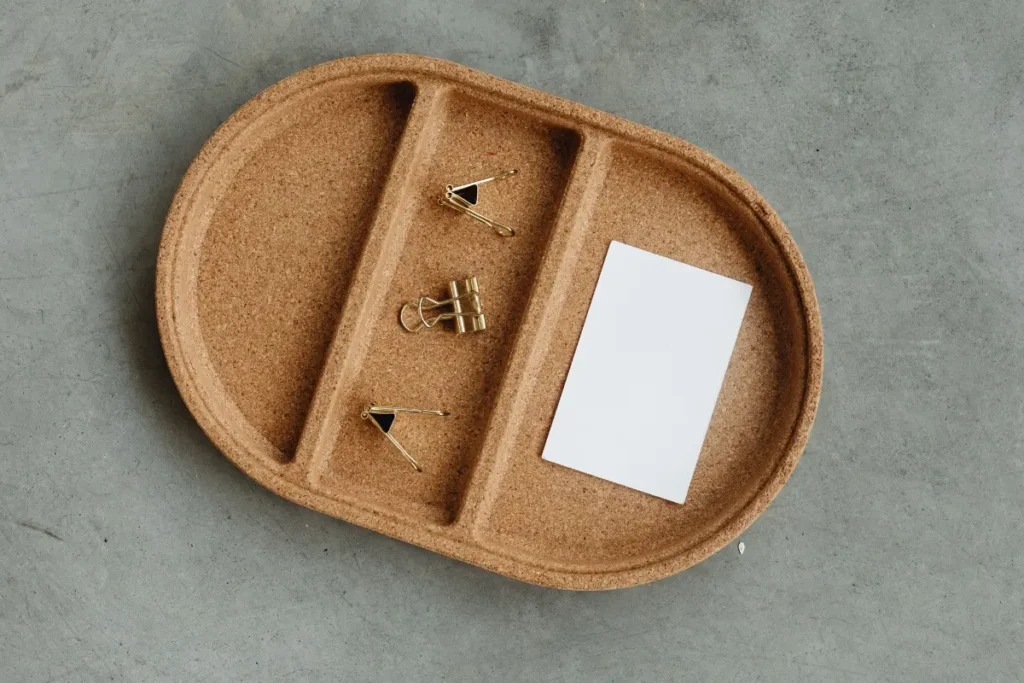
Cork homeware accessories, from storage baskets to trays to decorative objects, add a natural, earthy quality to any room.
And for anyone who loves a DIY project, cork is one of the most satisfying materials to work with at home.
A Final Thought
Cork is one of those materials that rewards you the more you know about it.
The environmental credentials are genuinely impressive, the practical benefits are hard to argue with, and the aesthetic it brings to a home is warm, natural, and quietly beautiful.
I’ve become a little bit obsessed with it honestly, which is probably obvious by now.
If you’re looking for ways to make your home feel more intentional, more sustainable, and more you, cork is a really wonderful place to start.