

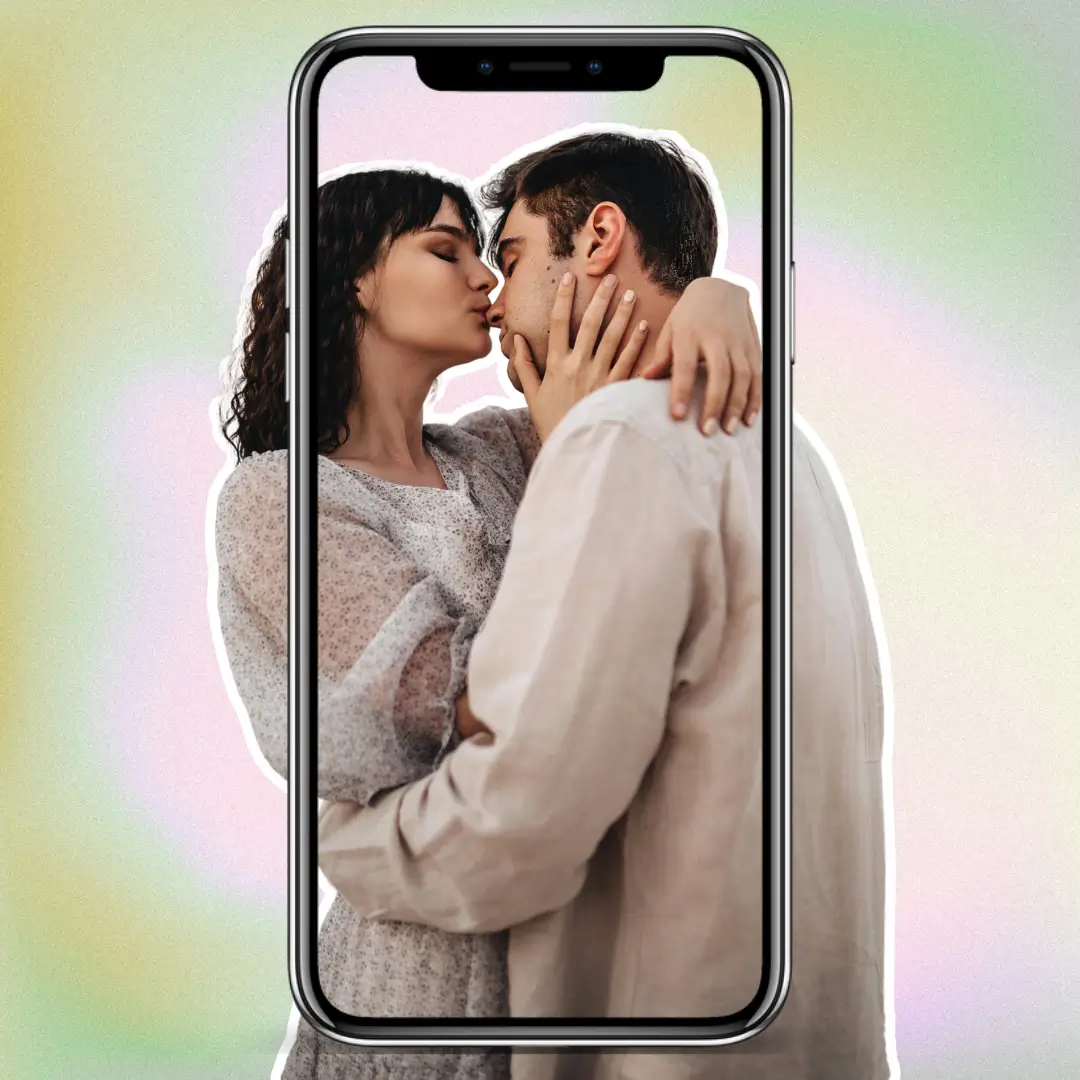
Dating for love is cute. Dating for clout? Apparently, that’s a “trend” now.
Meet “throning,” the term for dating someone mainly because they boost your reputation, your ego, or your IG grid (the partner goes on a “throne,” and everyone’s invited to look).
Think Gossip Girl’s Upper East Side, minus the questionable cardigans… and with more hashtags.
Here’s the plot twist: it’s not actually new. Dating up has been around forever, and the word itself has floated around since at least 2019.

But social media, dating apps, and a whole lot of curated lifestyles have given it a fresh name and, shall we say, a very public stage.
One Plenty of Fish survey even found that 27% of singles think a partner used them as a stepping stone for status.
So what does throning really look like, how can you tell if you’re on someone’s throne and what should you do instead?
Below, I’m breaking it all down. And if the whole thing has you craving the opposite energy, our guide to chalance is your next read.
What Is Throning?
Throning is dating someone mainly for what they do for your image.
The name comes from the idea of putting your partner on a “throne” so everyone else can admire them (and, by association, you).
It’s dating for the reputation boost, the social circle, or the perfectly angled couple photo, rather than for the person.
One health policy professor describes it as treating a partner like a display piece instead of a real human being.
To be fair, the person doing the throning can still feel affection or even love. The difference is that boosting their own status is the top priority.
EVERYONE’S CLICKING ON:

How to Keep a Long-Distance Friendship From Fading (Without It Feeling Like a Chore)
According to Hinge, Your Friendships Are Making You a Better Dater

Forget Playing It Cool, “Chalance” Is the Dating Trend We All Secretly Wanted

50 Fun Winter Date Ideas for Snow Days, Nights In, and Everything Between


Is Throning Actually New?
Not even close. The old-school term is hypergamy, which was coined in India in the 19th century and basically means “marrying up.”
For centuries, picking a spouse for status was the norm, especially among wealthy families. It’s the whole plot of period dramas like Bridgerton, where the rebels are the ones who want to marry for love.
As for the word “throning,” some sources say it’s been around since 2019, but it really took off in November 2024 once TikTok got hold of it. Gen Z gets the credit for the name, even though the behavior is centuries older.
Throning vs. Gold Digging
Gold digging is about money. Throning is about social capital: the connections, the influence, and the glow of being seen with someone people admire. Think of it as “dating up” with clout instead of cash.
It’s also a lot more public. A gold digger might keep the perks quiet, while someone throning is often posting about it.
Why Is Throning So Popular?
Blame the highlight reel. When everyone is curating their life online, a partner can start to feel like part of the brand.
Dating apps add fuel, too: a study in Science Advances found that users tend to go after matches who are about 25% more desirable than themselves.
And that Plenty of Fish survey? About 27% of singles said they’ve been in a relationship where they felt used as a stepping stone to boost someone’s status.
It’s just one survey, so take the number with a pinch of salt, but it shows plenty of people have felt it.
Signs You’re Being Throned
Per the Daily Dot, these are the most common signs that someone might be throning you:
- They’d rather go out in public than stay in with you
- They act differently around you when other people are watching
- They constantly brag about you to everyone
- Every outing ends with a selfie they have to post
- They’re hyperfocused on reputation, yours and theirs
- They show little curiosity about who you are or share much about themselves
- The relationship feels short on warmth and emotional closeness
- They disappear when you’re going through something hard
- Everything feels one-sided
One of these on its own doesn’t prove anything. Plenty of people love a couple photo, and plenty of people brag about a partner they adore. It’s the pattern that matters, especially the last three.
Is Throning Always a Red Flag?
Not necessarily. If both people know what’s going on and are happy with it, there’s nothing inherently wrong with it.
The trouble starts when one person has no idea they’re being treated as a status symbol, because that’s when feelings get hurt.
How to Date for Connection Instead
If all this has you side-eyeing your last situationship, here’s how to keep the focus on the real thing:
- Check your motives. Would you still like this person if nobody ever saw you together?
- Plan low-key dates. Cook at home, take a walk or do something that isn’t postable, and see how they show up.
- Watch how they treat people who can’t do anything for them. Servers, cashiers, and strangers say a lot.
- Notice who’s there when it’s not glamorous. Sick days and bad moods tell you more than a rooftop bar ever will.
- Be upfront about what you want. It saves everyone time.
- Lean into chalance. Showing up, making plans and being openly interested is the opposite of throning, and our guide to chalance shows how.
Final Thought
Throning is an old idea with a shiny new name, and it’s a good reminder to pay attention to how a relationship feels when no one’s watching.
You deserve to be someone’s person, not someone’s profile pic.
FAQ
Throning is dating someone mainly to boost your own reputation, ego or social standing, instead of for genuine connection.
Gen Z gets credit for the name and the TikTok discussion, but the behavior is as old as hypergamy, the practice of marrying up.
Not quite. Gold digging is about money, while throning is about status, connections and image.
Common signs include a partner who’s obsessed with posting you, acts differently in public, shows little interest in knowing you and disappears when you need support.
No. If both people understand and agree to it, it isn’t inherently harmful. The problem is when one person doesn’t know they’re being used as a status symbol.
ALSO WORTH A LOOK: Remember the Pineapple Dating Trend? Here’s the Full (Slightly Unhinged) Story