
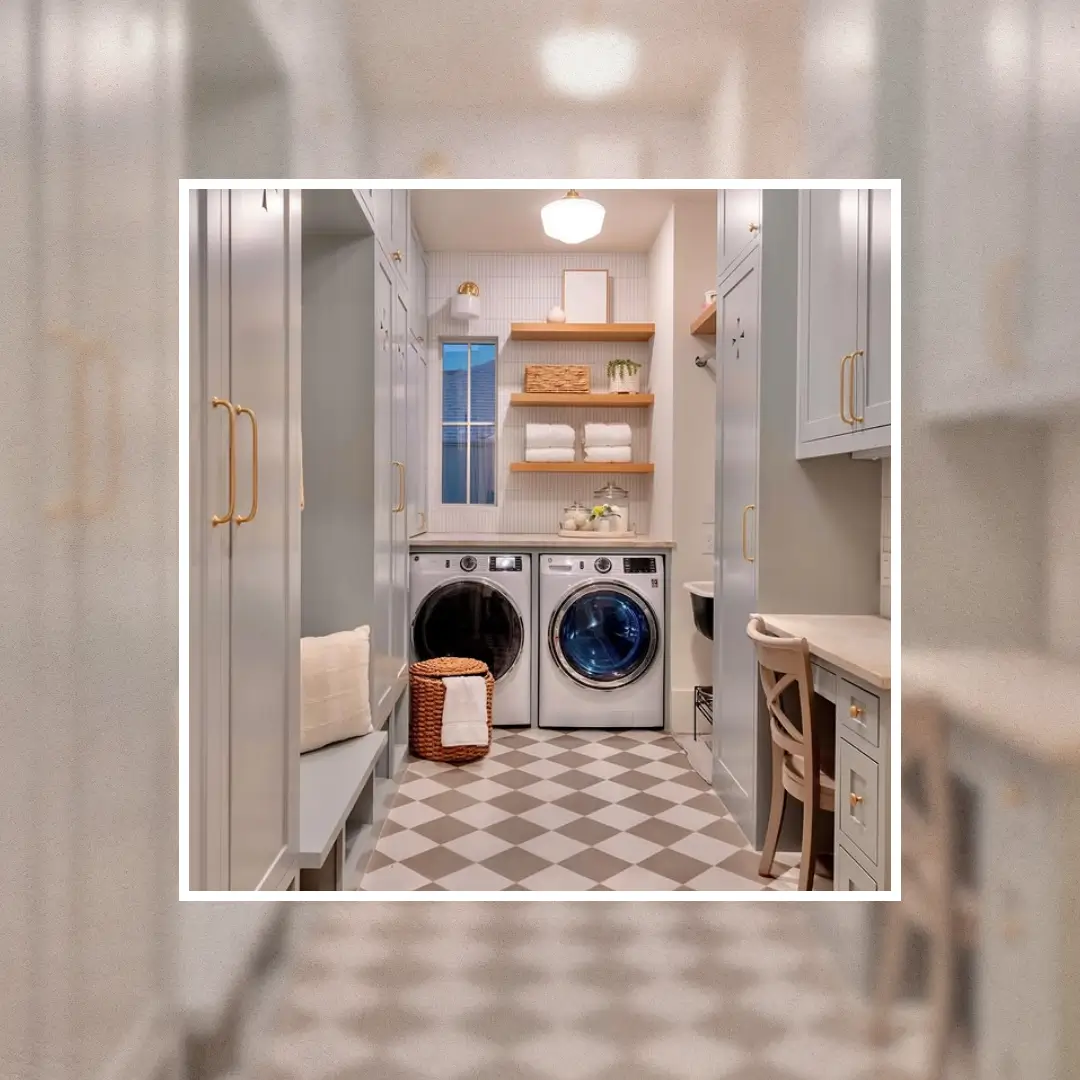
This post is about mudroom organization ideas.
The mudroom is one of those spaces that rarely gets the spotlight, yet somehow carries the emotional weight of the entire house.
It’s where mornings begin, afternoons unravel, and muddy shoes, school bags, and half-zipped coats land after long days.
PIN FOR LATER 📌

Over the years, I’ve realized that when this room works, the rest of the home feels calmer—and when it doesn’t, chaos has a way of creeping in fast.
Whether your mudroom is a dedicated room, a shared laundry room moment, or a small entryway carved out near the door, smart organizing can completely change how your space functions.
That’s why I’m sharing 14 mudroom organization ideas designed to create better flow, maximize storage, and make coming and going feel easier for everyone in the family—including kids with a talent for dropping shoes exactly where they don’t belong.
1. Start With a Bench That Earns Its Place
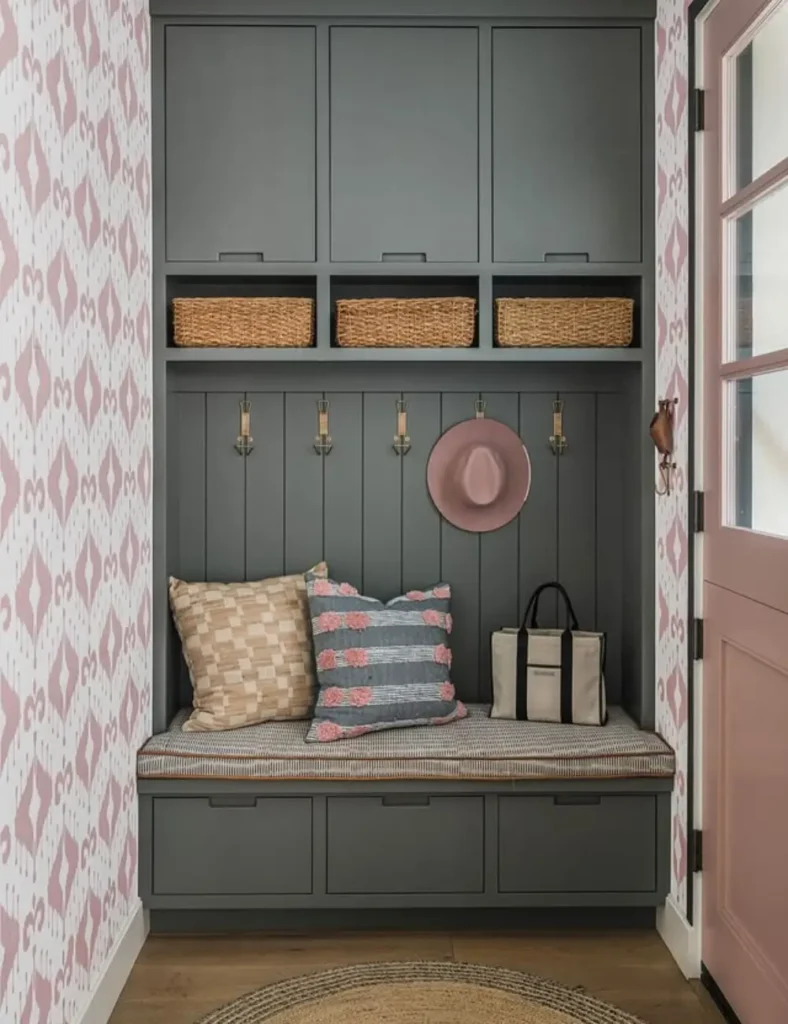
A sturdy bench instantly anchors a mudroom. It gives you a place to sit while pulling on shoes, creates visual structure, and often doubles as hidden storage. Look for benches with cubbies or lift-up lids to stash bags, hats, or seasonal gear.
EVERYONE’S CLICKING ON:




2. Add Wall Hooks at Multiple Heights
Hooks are non-negotiable in a functional mudroom. Install them high enough for adults and low enough for kids so everyone has an easy place to hang coats and backpacks. Over time, this simple setup teaches even little ones where things belong.
3. Create a Dedicated Shoe Zone

Shoes have a way of multiplying. A designated shoe area—bins, shelves, or cubbies—keeps them contained and prevents that familiar pile by the door. Assigning one spot per family member helps keep things organized without constant reminders.
4. Use Vertical Space Generously
When floor space is limited, look up. Tall cabinets, stacked shelves, or wall-mounted storage allow you to maximize space without overcrowding the room. This works especially well in small mudrooms or combined laundry room layouts.
5. Blend the Mudroom With the Laundry Room
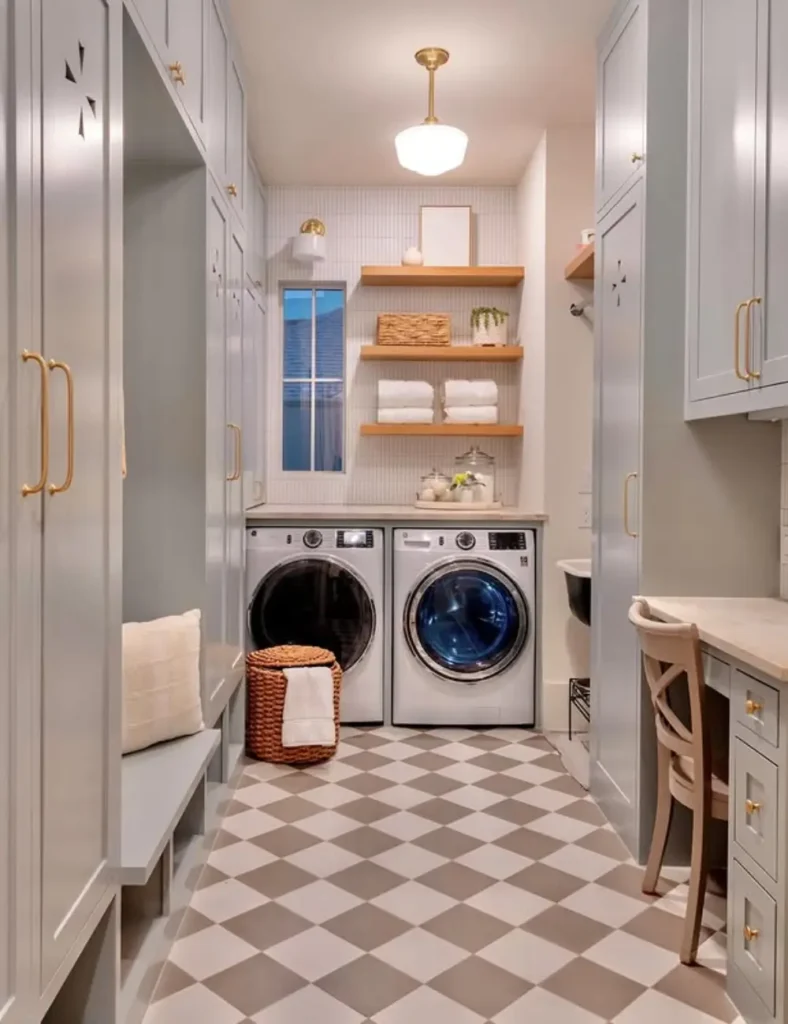
If your mudroom lives inside your laundry room, lean into it. Shared storage for detergent, cleaning supplies, and outerwear keeps everything streamlined. A cohesive setup saves time and makes daily routines feel more efficient.
6. Label Everything (Especially for Kids)
Labels may feel excessive, but they’re incredibly effective—particularly in a family home. Clear labels on baskets, bins, and closet shelves reduce confusion and make organizing feel more intuitive for everyone.
SHOP SELF-ADHESIVE LABELS AT AMAZON
7. Install a Slim Closet for Overflow
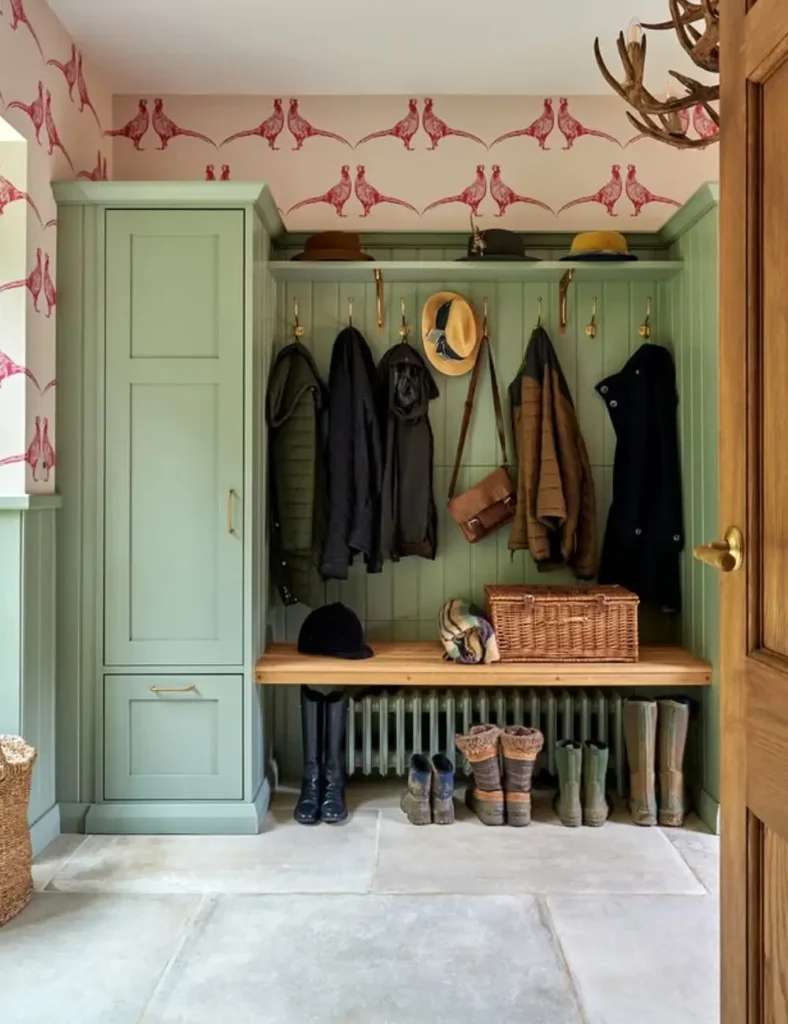
If space allows, a narrow closet can handle bulkier items like coats, sports gear, or seasonal shoes. Even a shallow closet adds structure and keeps visual clutter to a minimum.
8. Choose Closed Storage for Visual Calm
Open storage is convenient, but closed cabinets and drawers help a mudroom feel calmer. Tucking things away behind doors instantly makes the space feel more polished and less chaotic, especially in high-traffic homes.
YOU MAY ALSO LIKE: 24 IKEA Storage Must-Haves For Organizing Small Spaces
9. Make Room for Daily Essentials
Keys, sunglasses, dog leashes—these items need a home of their own. A small drawer, tray, or wall-mounted organizer near the door saves time and eliminates that last-minute scramble out the house.
10. Use Baskets to Soften the Space
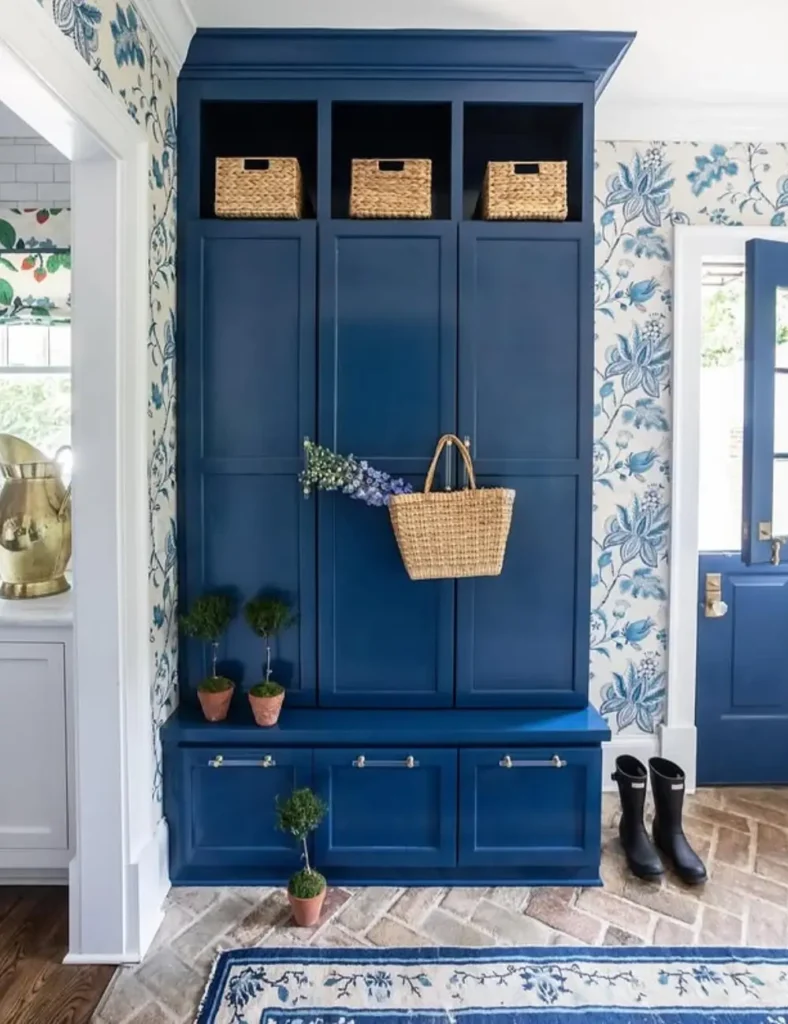
Woven baskets add warmth while keeping clutter contained. They’re perfect for gloves, scarves, and smaller accessories that don’t need rigid storage. Bonus: they make organizing feel less rigid and more forgiving.
11. Think About Traffic Flow
A well-organized mudroom supports movement. Leave enough open space so doors can open fully and people can pass through without bumping into benches or storage units. Good flow matters more than squeezing in one extra shelf.
12. Keep a Drop Zone for Bags
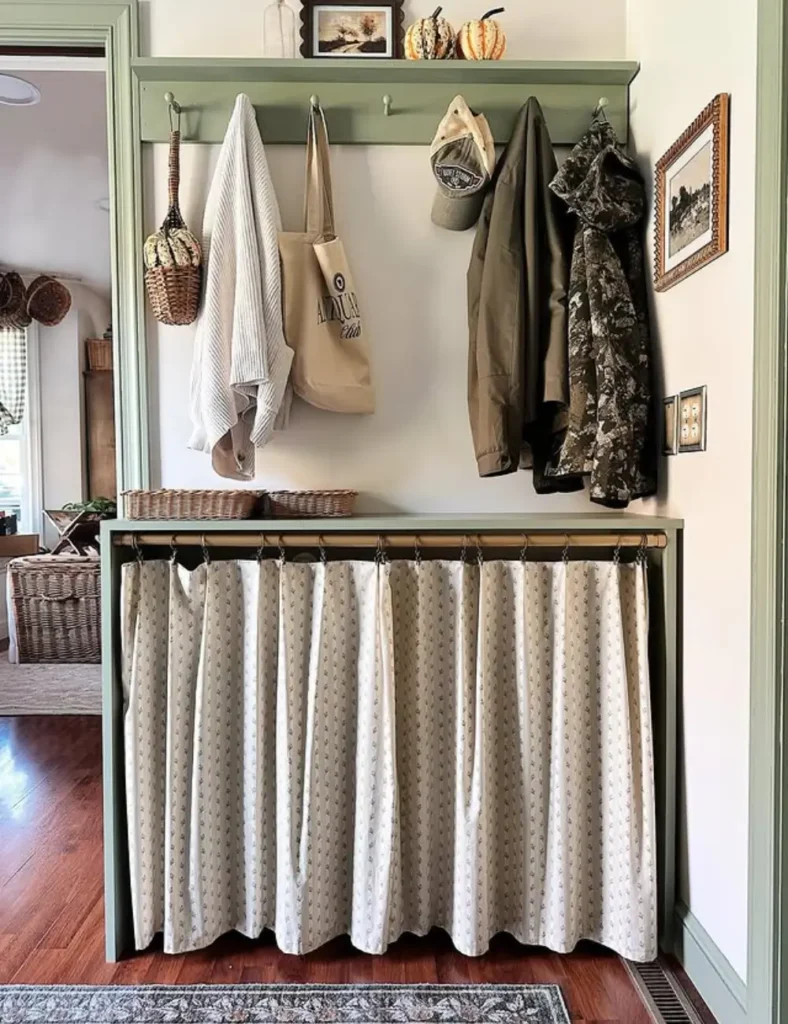
Designating a specific spot for backpacks, work bags, or purses prevents them from drifting into other rooms. Hooks, shelves, or cubbies near the door work best for grab-and-go routines.
13. Rotate Items by Season
Not everything needs to live in the mudroom year-round. Rotating shoes, coats, and accessories based on the season keeps storage manageable and prevents the room from feeling overstuffed.
14. Make It Durable (This Room Works Hard)
Choose materials that can handle wear—easy-to-clean floors, wipeable paint, and sturdy hooks. A mudroom sees a lot of action, especially with kids, so durability saves time and stress in the long run.
SEE ALSO: