

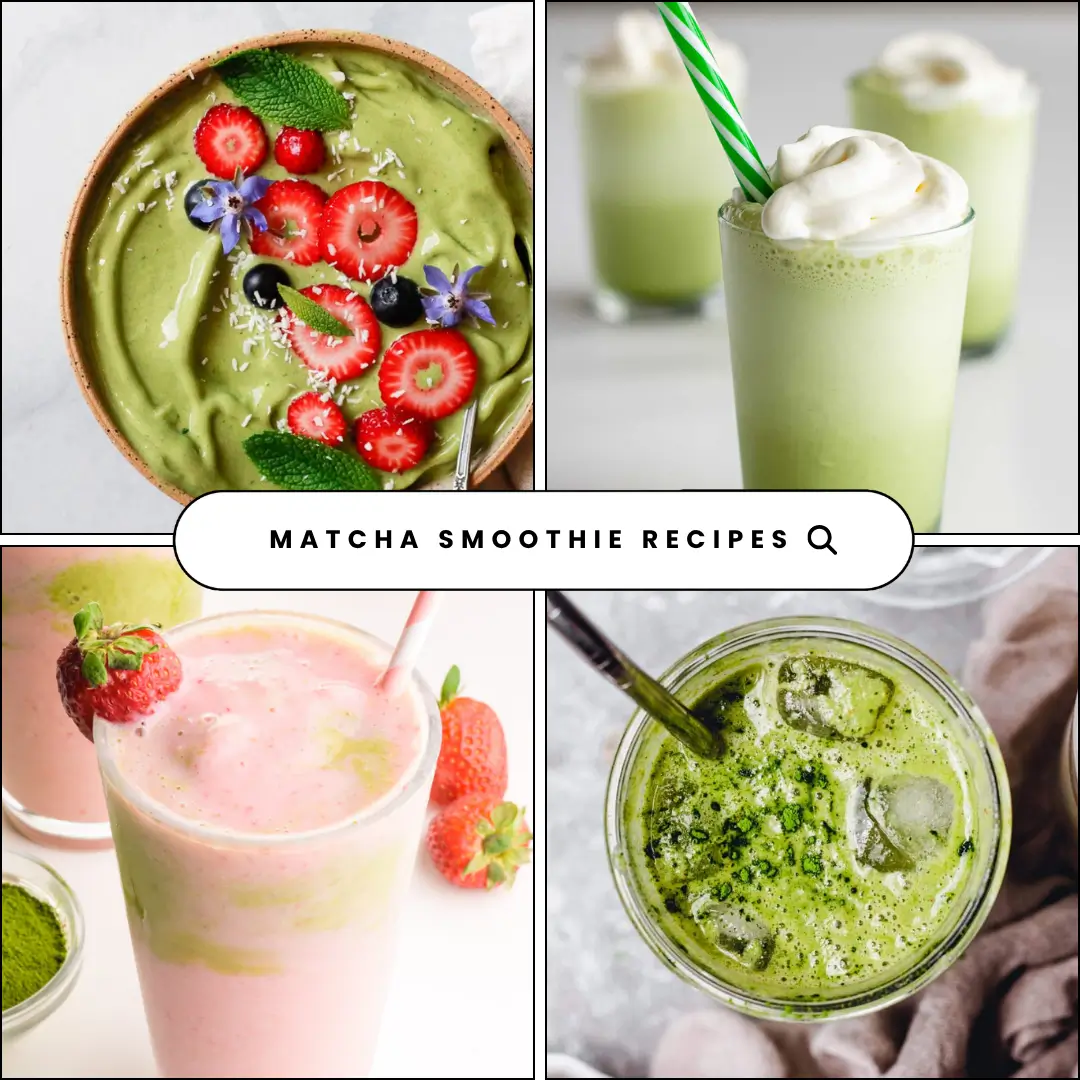
I went through a phase of buying matcha, making roughly two lattes with it, and then letting the tin sit in the back of the cupboard until it turned a sad olive color. (If you’re nodding, hi, welcome.)
Smoothies fixed that.
Matcha is far more forgiving in a smoothie than it is in a latte.
Banana, mango, and avocado all soften that grassy edge, so what you get is the calm, steady caffeine without the bitterness that puts people off matcha in the first place.
PIN FOR LATER 📌
You also don’t need a bamboo whisk, a technique, or opinions about water temperature.
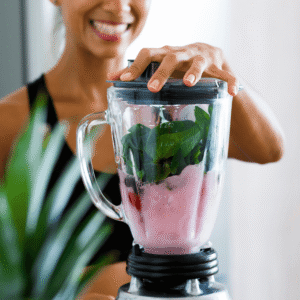
You just need a blender.
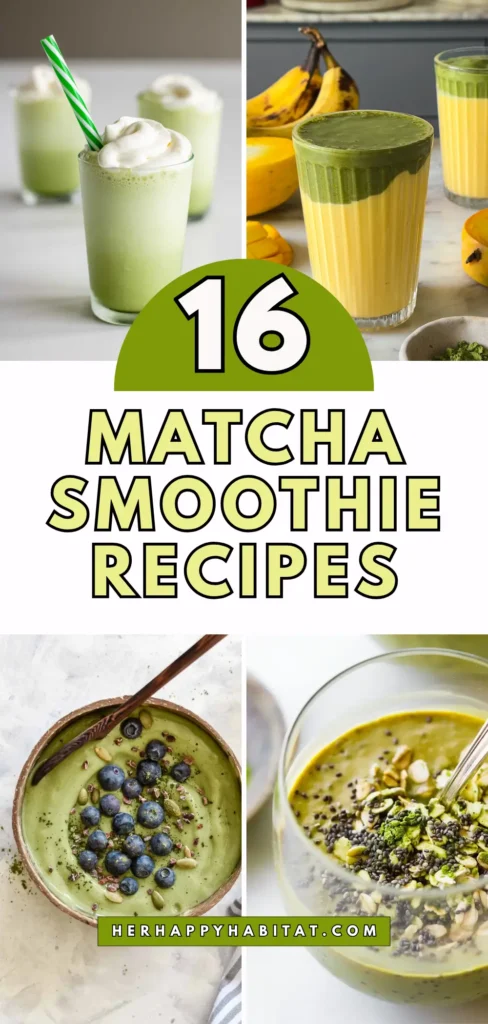
Ahead, 16 matcha smoothie recipes that cover a lot of ground: a five-minute banana one for mornings with no plan, a two-layer strawberry matcha, a copycat Starbucks frappuccino for days that call for it, and one you can prep tonight and drink tomorrow.
There’s a banana-free pick in there too, plus a proper protein shake if you need breakfast to actually hold you until lunch.
What Kind of Matcha to Use
You’ll see two grades on the shelf, and for smoothies the answer is the cheaper one.
- Culinary grade is what you want here. It’s bolder and slightly more bitter, which sounds like a downside until you remember it’s competing with banana, mango, and peanut butter. It holds its own. It’s also a fraction of the price, and you’ll get through it faster than you think.
- Ceremonial grade is made from younger leaves, tastes smoother and sweeter, and is meant to be whisked with water and drunk on its own. Using it in a smoothie is a bit like cooking with a wine you’d rather be drinking.
One thing that matters more than grade: color. Good matcha is a vivid, almost unnatural green.
If the powder looks dull or yellowish, it’s old or low quality, and no amount of banana will save it. Store it sealed and away from light, and try to use it within a couple of months of opening.
Quick tip that makes a real difference: whisk your matcha into two tablespoons of warm water before it goes in the blender. It dissolves properly that way instead of leaving little bitter flecks through the whole drink.
Matcha Smoothie Recipes
1. Matcha Banana Kale Smoothie (5 Minutes)
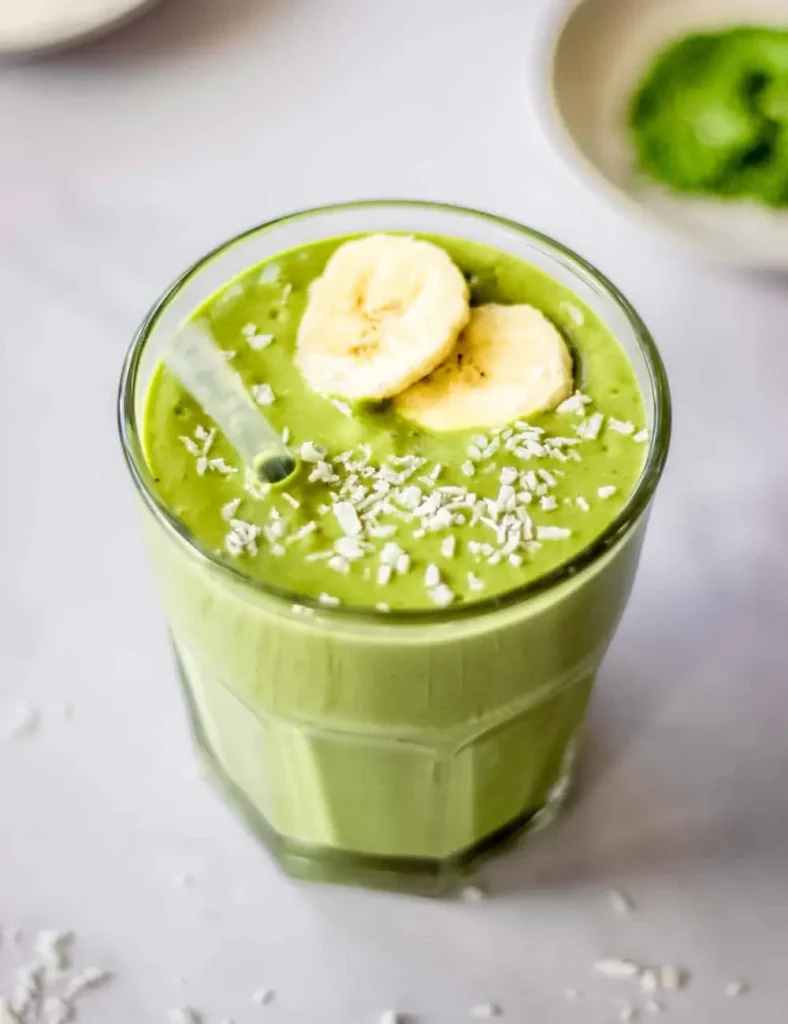
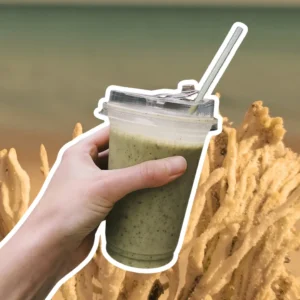
This is the one to make when you have no plan and four minutes. Banana and shredded coconut soften the matcha, kale disappears completely, and the whole thing comes together in a single blend. If you’re new to matcha in smoothie form, start here.

2. Strawberry Matcha Smoothie
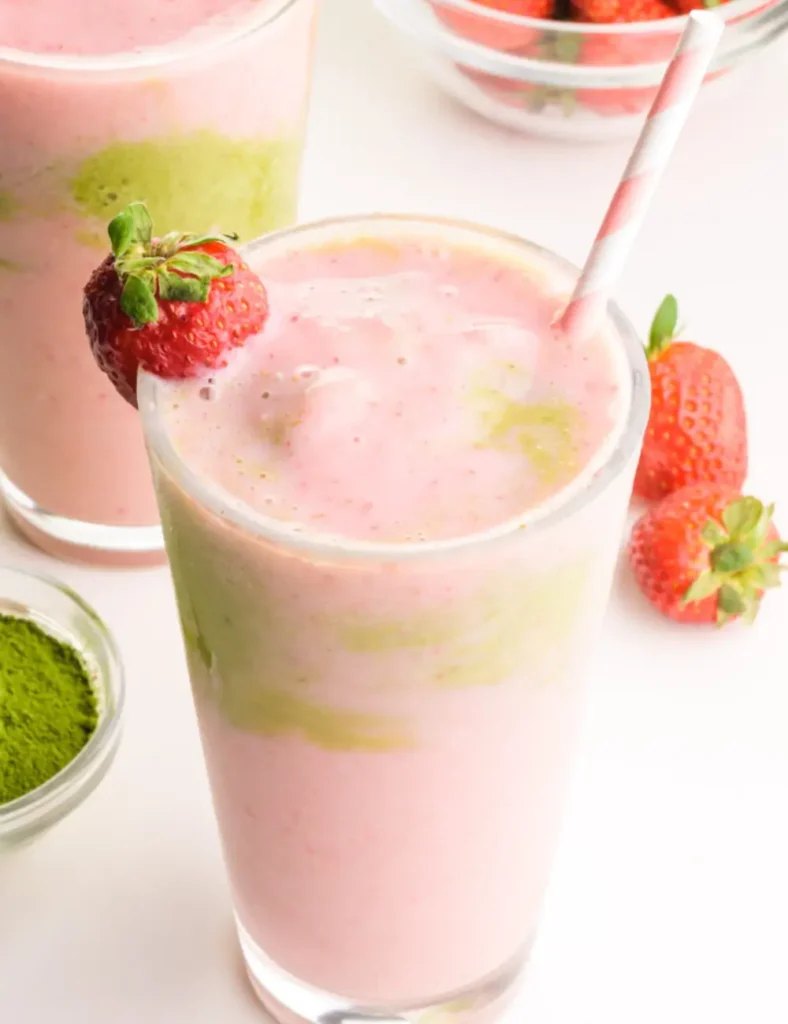
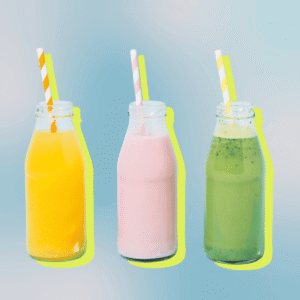
Pink and green, six ingredients, and yes, it looks exactly as good as you’re picturing. Frozen strawberries do the sweetening and thickening, and a scoop of vanilla protein powder turns it into something that actually holds you until lunch.
3. Mango Matcha Smoothie
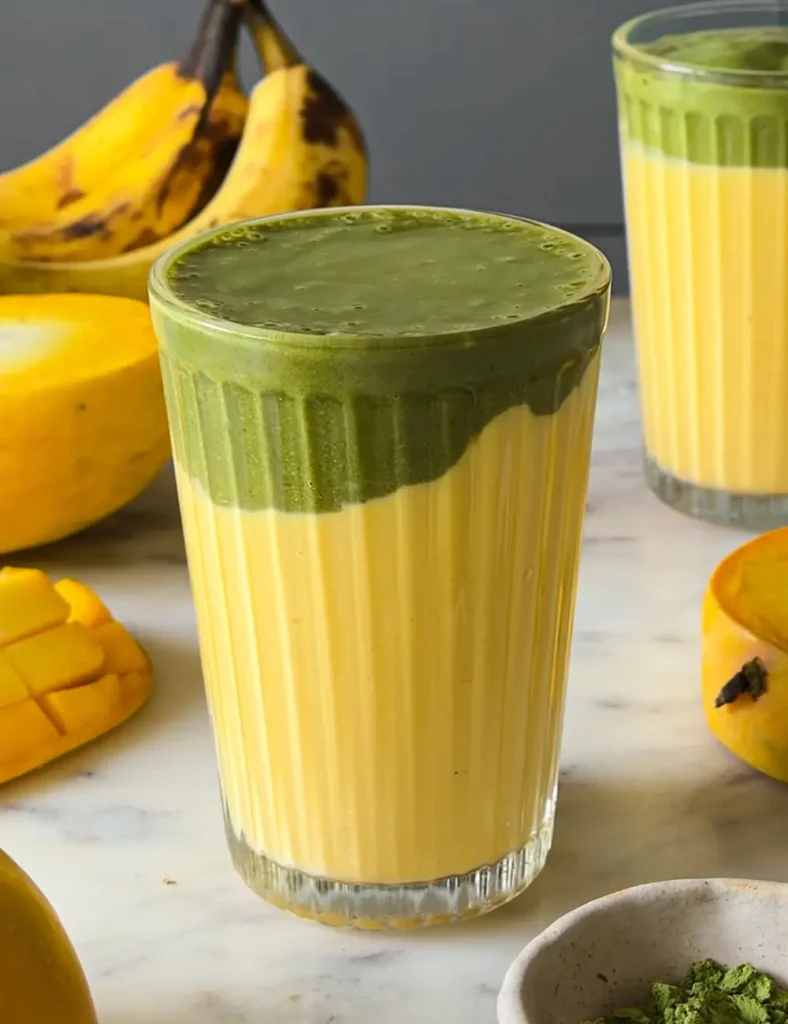
Two layers, blended separately: golden mango with yogurt underneath and matcha and banana poured gently over the top. Pour it over the back of a spoon so the layers stay put (this is the difference between “cafe drink” and “swamp”).
4. Matcha Smoothie Bowl
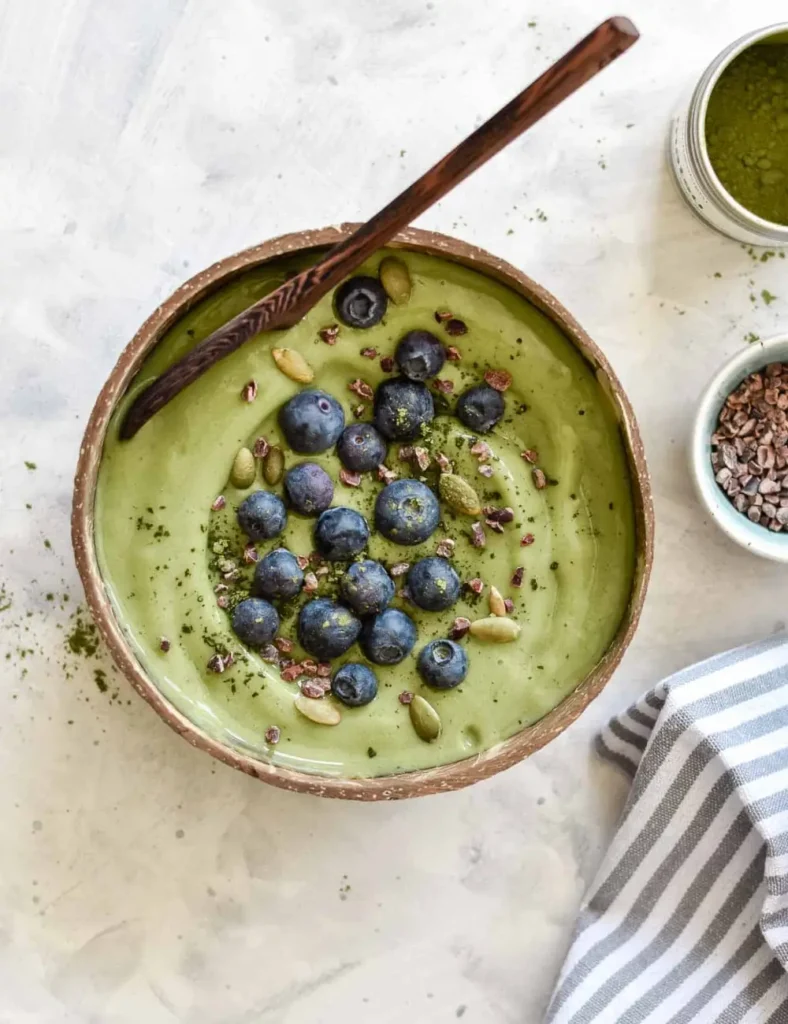
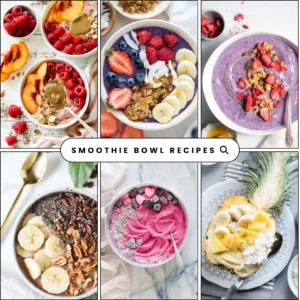
Frozen banana and mango make this thick enough to eat with a spoon, and the spinach is doing quiet work in the background. Topped with blueberries, cacao nibs, and pumpkin seeds, it’s essentially a very responsible bowl of soft serve.
5. Chocolate Matcha Smoothie
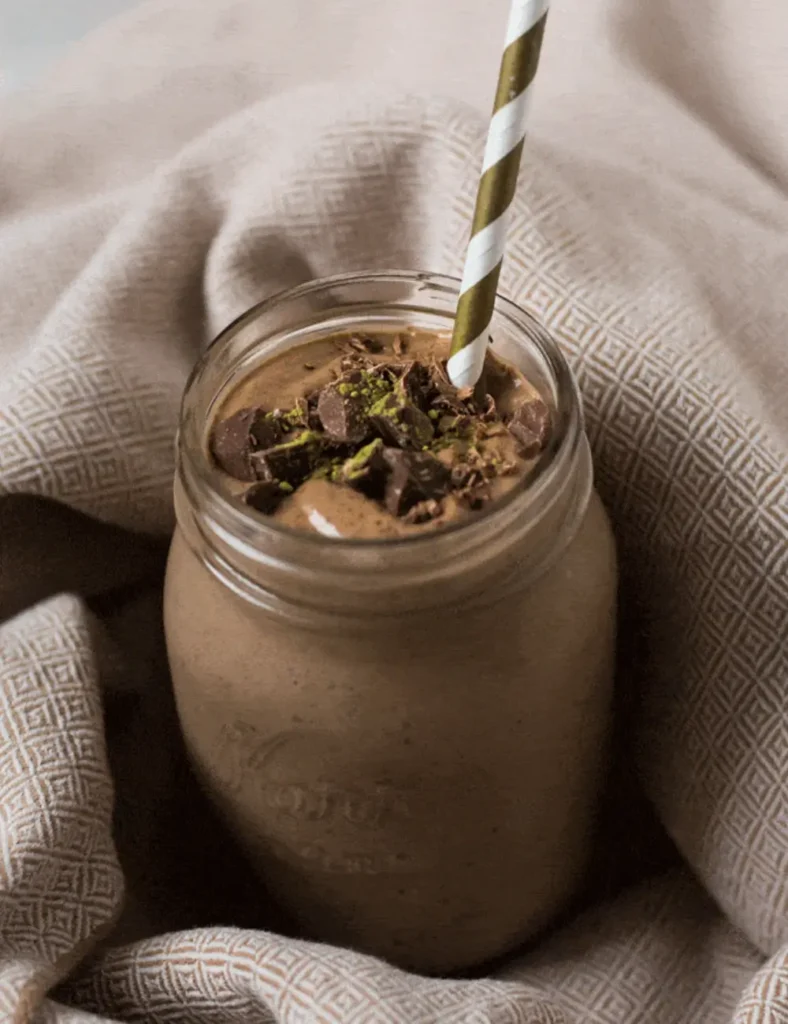
Avocado, peanut butter, cacao, and dates, which sounds like a lot until you taste it and realize the matcha is barely there. This is the one for a 3 p.m. chocolate craving that you’d like to resolve without a chocolate bar.
6. Matcha Pineapple Smoothie
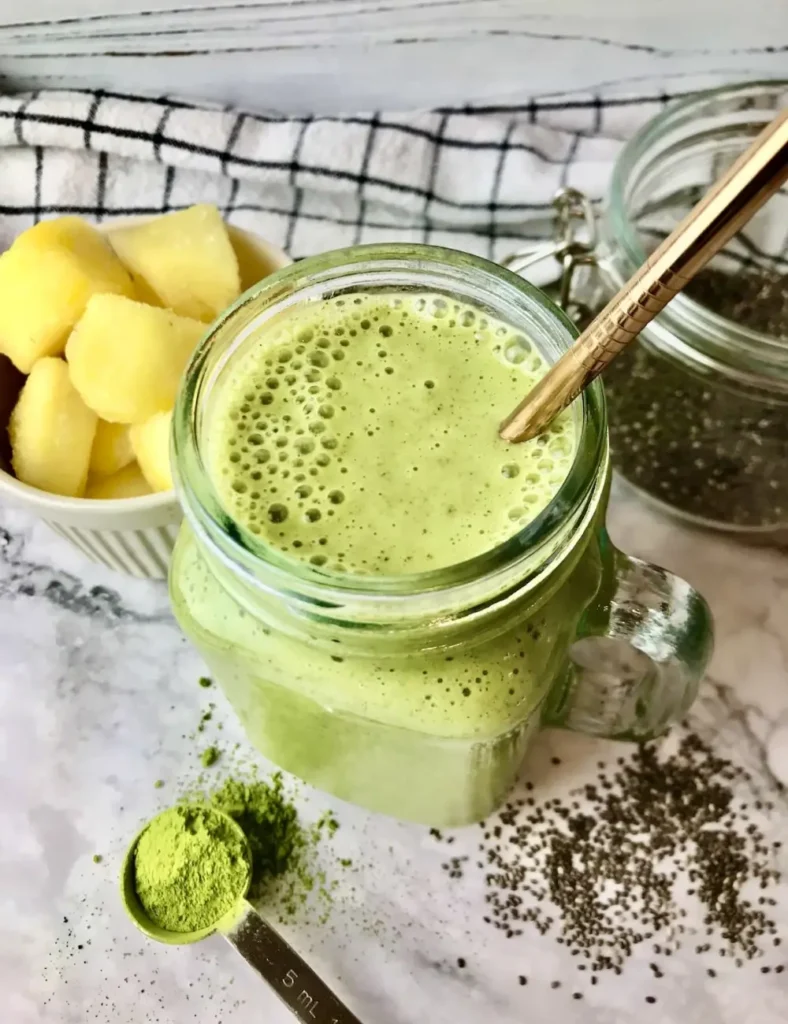
Five ingredients, and the frozen pineapple carries the sweetness so you don’t need to add anything. Chia seeds thicken it slightly and vanish into the blend, and oat milk keeps the flavor neutral enough to let the matcha through.
7. Blueberry Matcha Smoothie
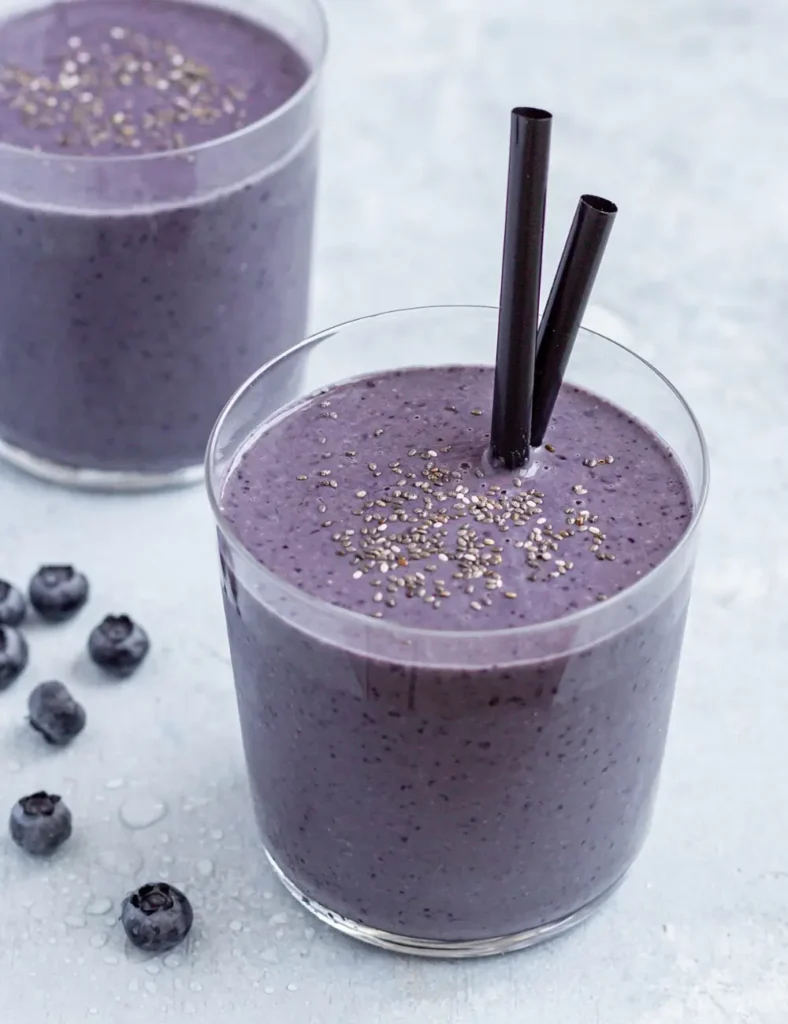
A spoonful of oats is the detail that makes this one work, adding enough fiber to keep it from being a glass of fruit. You can prep the blueberries, banana, spinach, and oats into a freezer bag the night before and blend straight from frozen.
8. Peanut Butter Matcha Smoothie
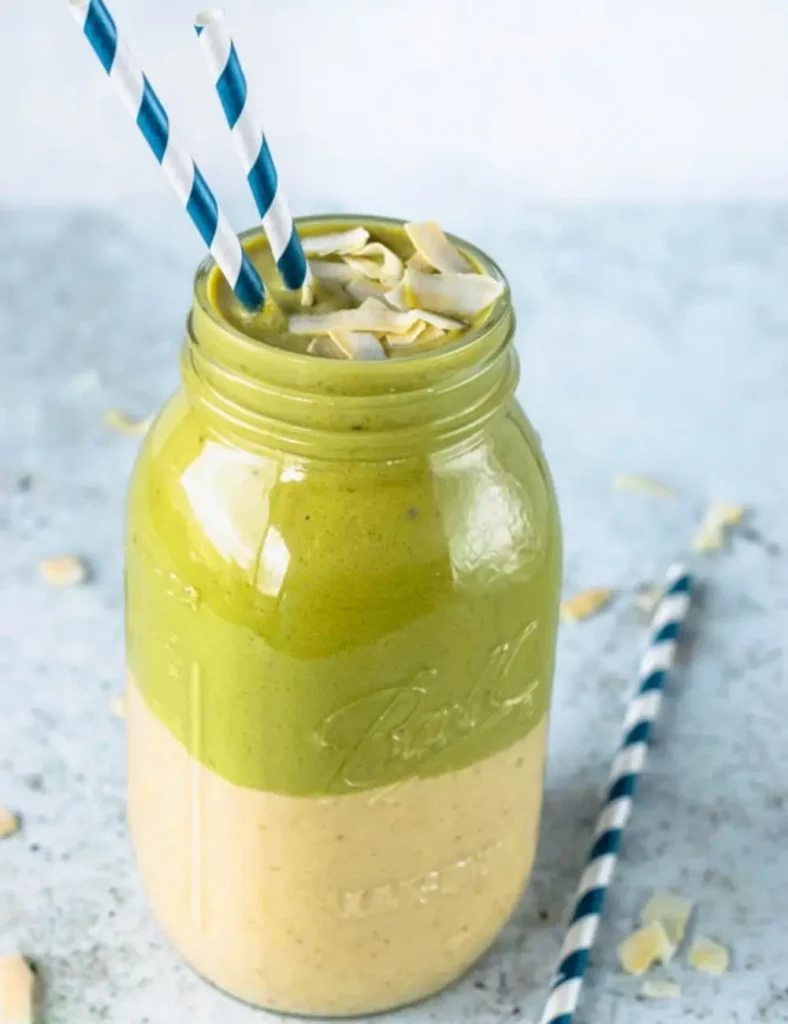
Another two-layer situation, and this one is very filling (the recipe says two servings, and I’d believe it). Coconut milk and frozen banana keep both layers thick enough not to bleed into each other, and the toasted coconut on top is the part worth not skipping.
9. Dragon Fruit Matcha Smoothie Bowl
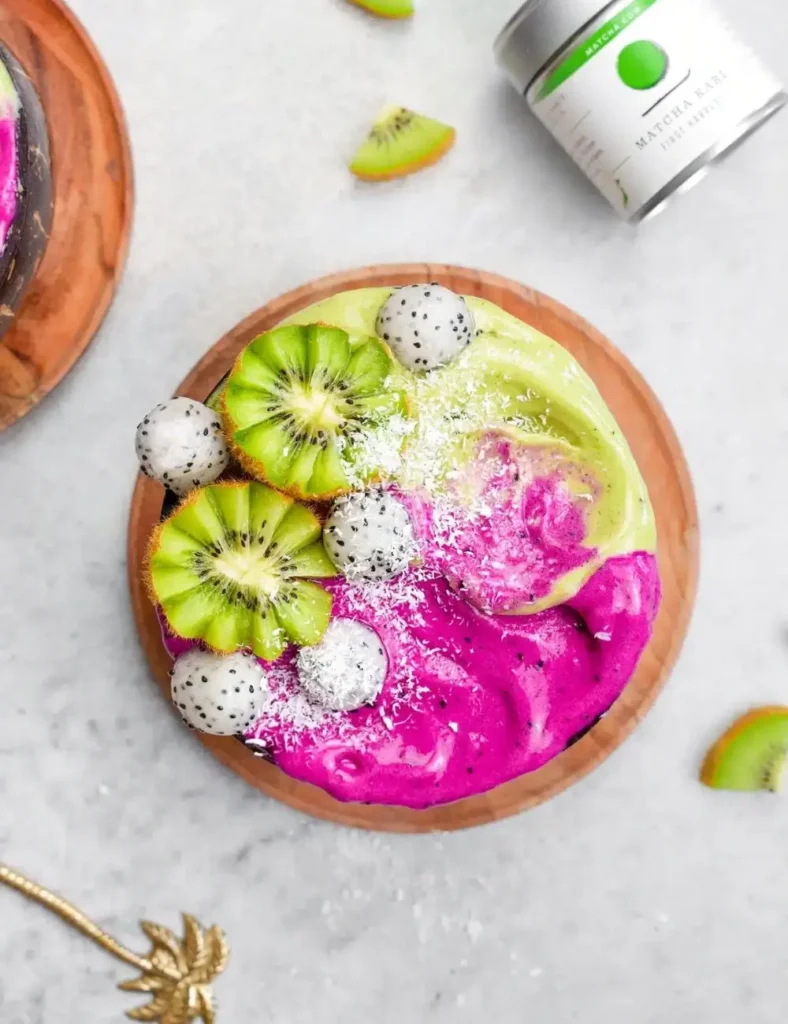
Half hot pink pitaya, half green matcha with kiwi blended in, and it is very much built to be photographed. Freeze the matcha half while you blend the pink one so it holds its shape when you scoop them side by side.
10. Matcha Mint Smoothie
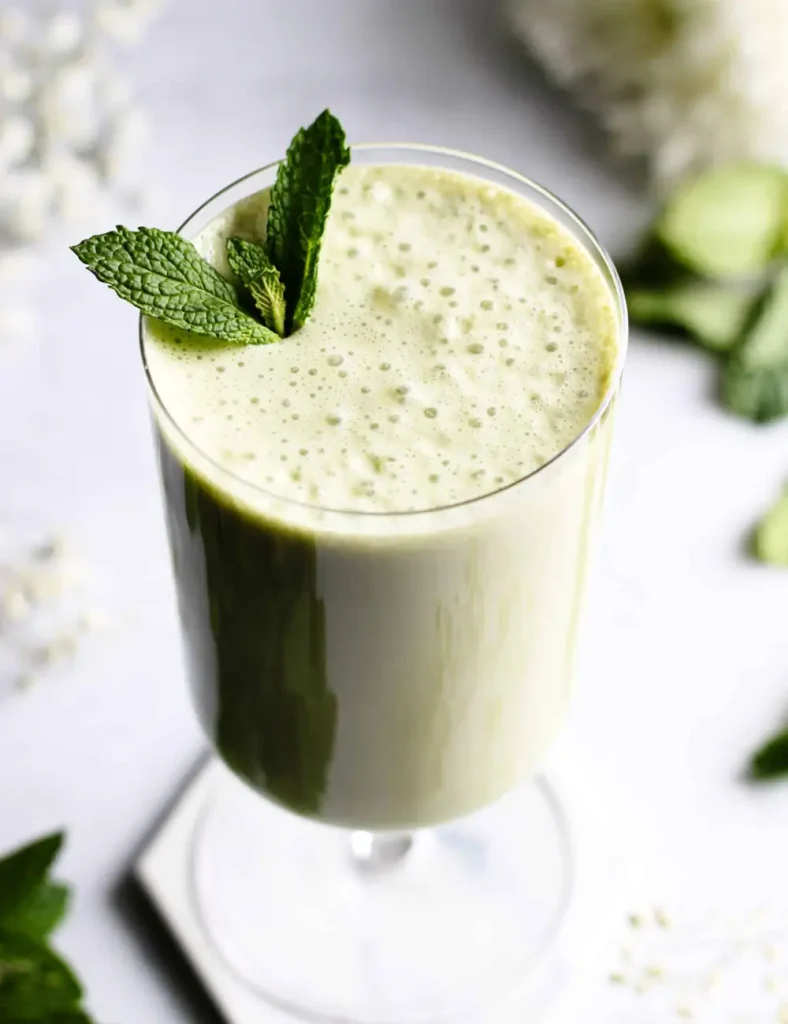
Four ingredients and 26 grams of protein, which makes this the most filling drink on the list by a wide margin. Fresh mint only, not dried, and frozen pineapple does all the sweetening against a Greek-style yogurt base.
11. Matcha Vanilla Protein Shake
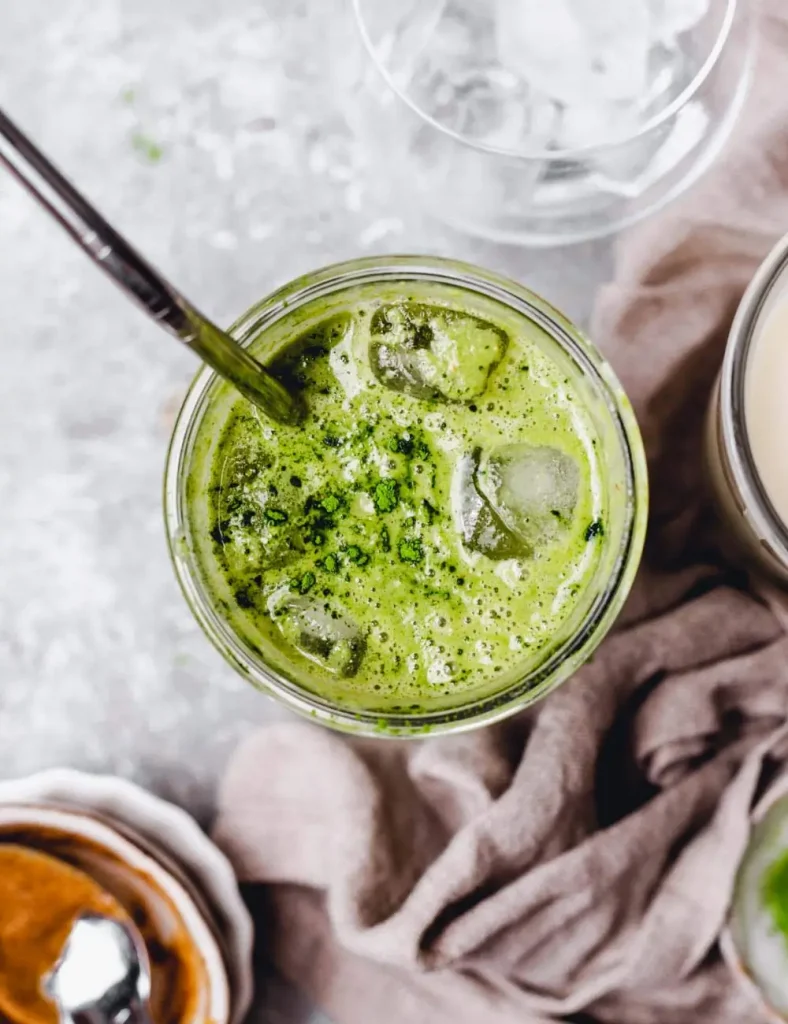
Nineteen grams of protein, and the apple and lemon juice are the surprise here, cutting through the matcha in a way banana alone doesn’t. Sift your protein powder before it goes in the blender unless you enjoy chewing your shake.
12. Spinach Matcha Smoothie
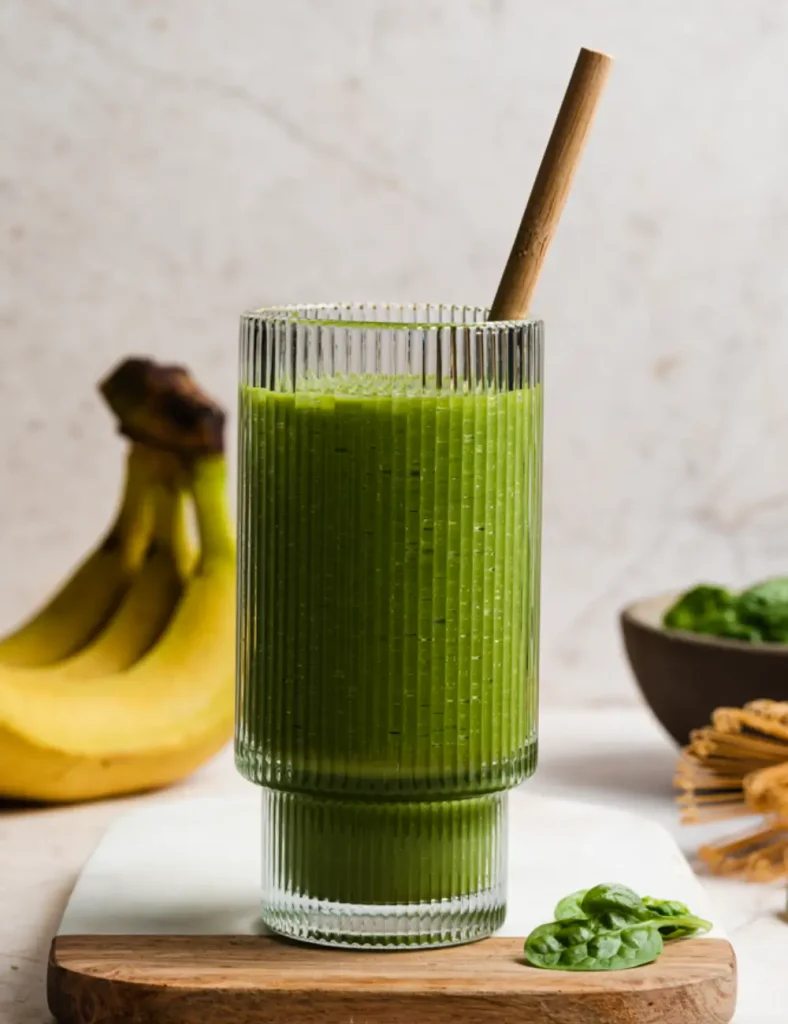
Blend the spinach and milk first, then add everything else, and you’ll avoid the little green flecks that make a smoothie look like pond water. Frozen pineapple and banana keep it sweet, and soy yogurt gives it more body than a straight milk base.
13. Matcha Smoothie or Smoothie Bowl
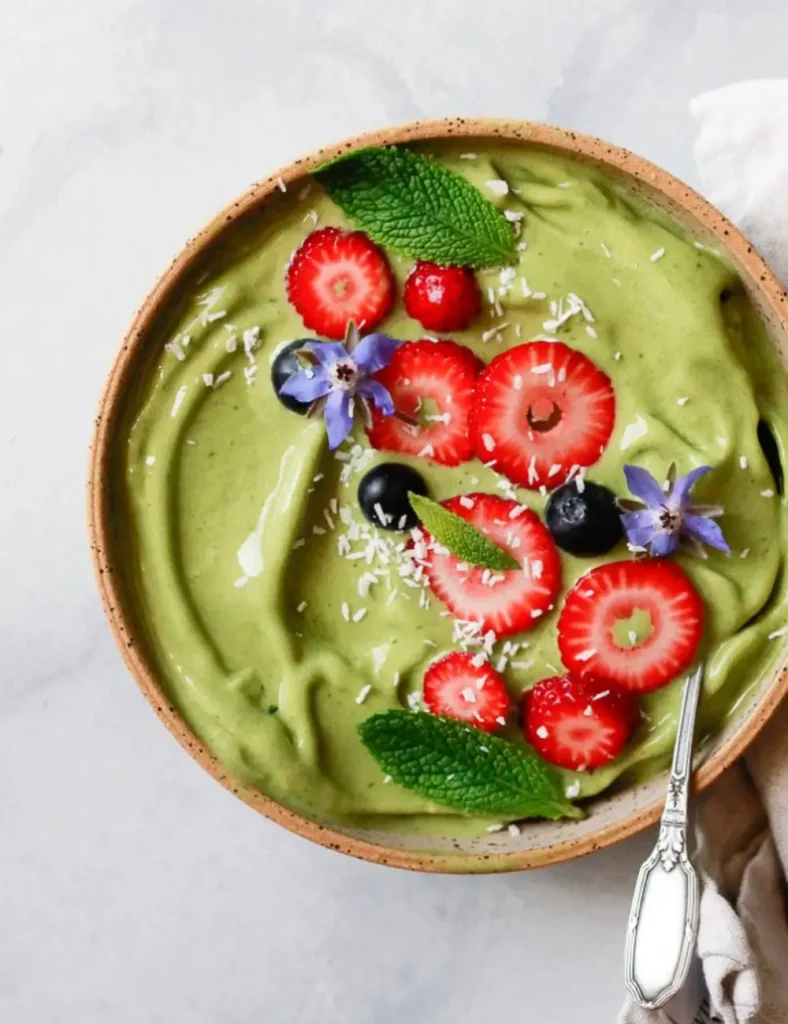
The genuinely useful thing here is that one recipe goes both ways: add more almond milk for a drinkable version, use almost none for a bowl you can top with berries and granola. Medjool dates handle the sweetness, so there’s no added sugar involved.
14. Creamy Avocado Matcha Smoothie
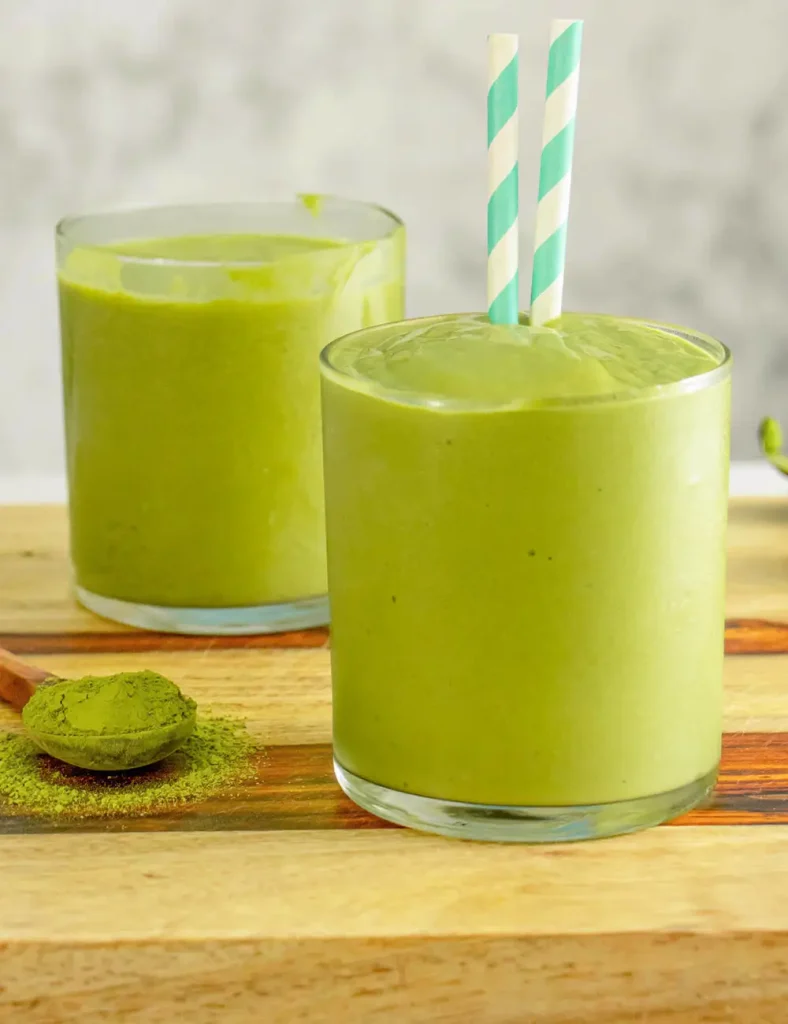
Avocado and rolled oats do the thickening here, no banana anywhere, so it lands closer to a milkshake than a fruit smoothie. Blend everything except the ice first and let it sit for five minutes to soften the oats, then add the ice and blend again. That pause is what makes it smooth instead of gritty.
15. Copycat Starbucks Matcha Frappuccino
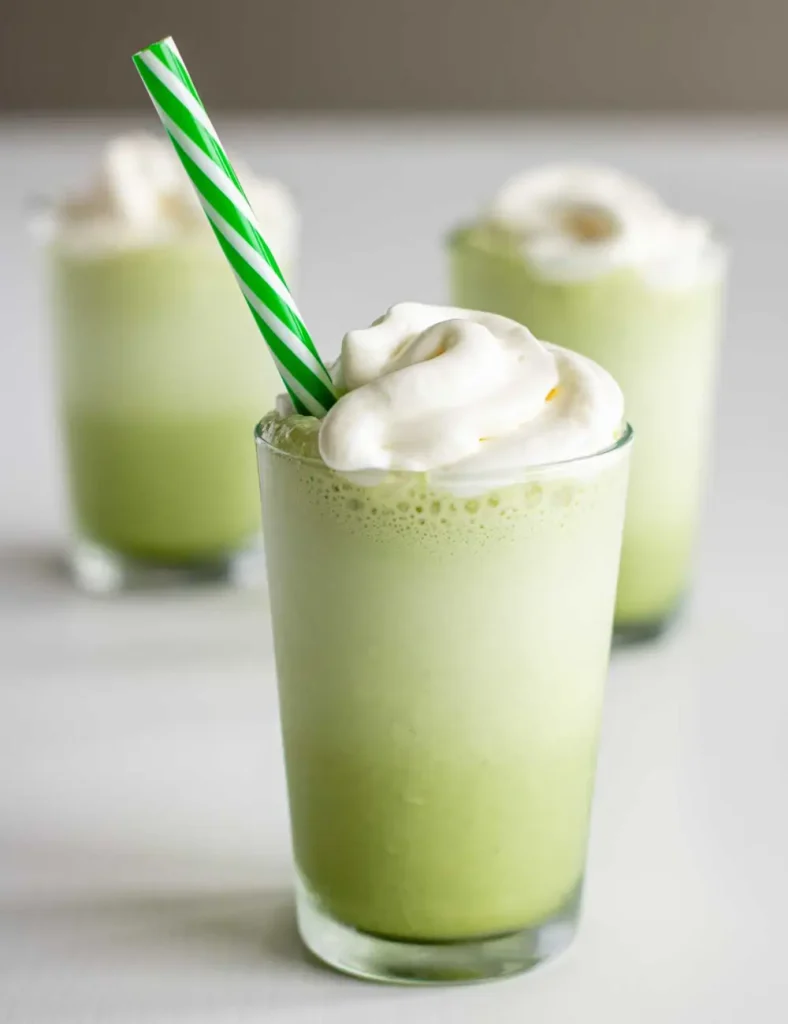
Not remotely a health drink, and that’s rather the point. The trick that makes it taste like the real thing is freezing milk into ice cubes instead of using water, so it never goes watery halfway down the glass.
16. Overnight Chia Matcha Smoothie
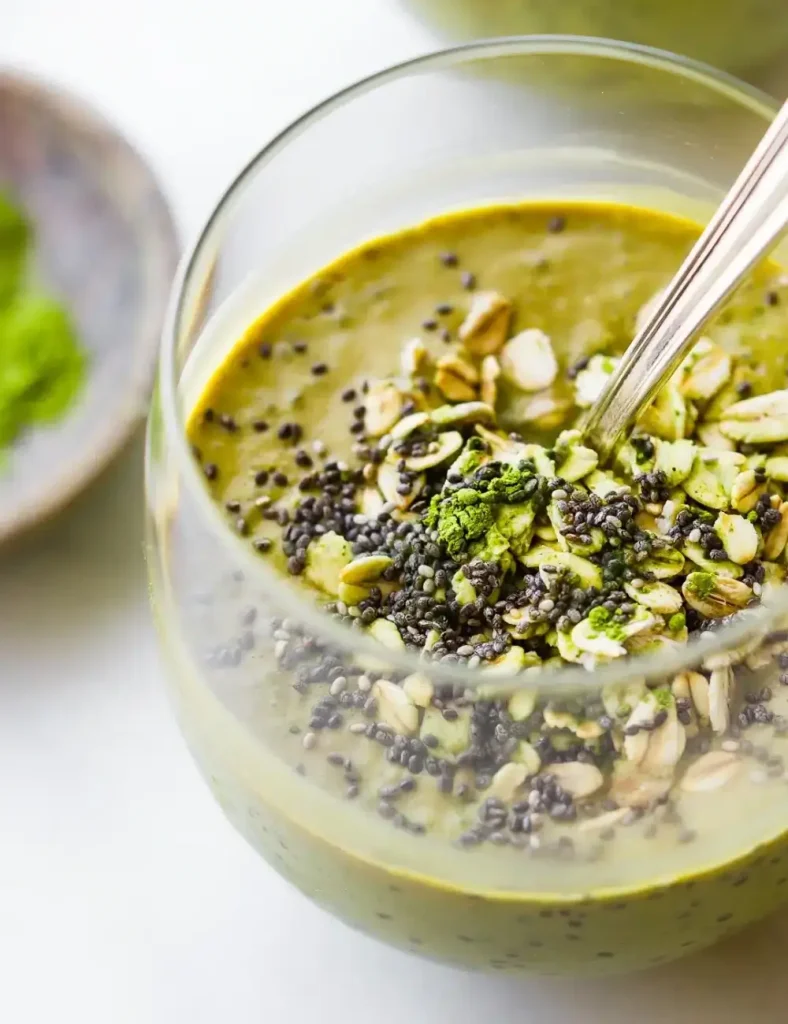
You blend this the night before, stir in chia seeds and oats, and let it thicken in the fridge while you sleep. In the morning it’s somewhere between a smoothie and a spoonable pudding, and it’s already in the container you’re taking to work.
FAQs
Much less than you’d expect. Matcha on its own is grassy and a little astringent, but banana, mango, and dates all balance it out. Start with half a teaspoon if you’re new to it and work up from there. Most of these recipes call for one teaspoon per serving.
A typical serving of matcha has roughly 60 to 70mg of caffeine, so about two-thirds of a cup of coffee. The difference is L-theanine, an amino acid in matcha that slows how the caffeine hits you. It’s a gentler lift, and it doesn’t drop off as sharply.
Blended smoothies really are best fresh, since they separate and lose color within a few hours. What works better is prepping the ingredients: portion the frozen fruit, greens, and oats into freezer bags so you just add liquid and blend. The one genuine exception is the overnight chia smoothie at number 16, which is designed to sit in the fridge.
Frozen mango is the closest swap for creaminess and sweetness. Avocado works beautifully if you want thickness without more fruit sugar, and half a cup of plain yogurt does the job too. The avocado matcha smoothie at number 14 is built banana-free from the start.
Usually the matcha. Dull or old powder blends muddy rather than vivid. It can also happen if you’ve paired matcha with dark berries like blackberries or blueberries, since the colors fight each other. Stick to banana, mango, pineapple, or dragon fruit if the color matters to you.
MORE MATCHA RECIPES: