


Here is a game you can play with almost any mythology.
Find the women who were turned into monsters. Read what they actually did.
In nearly every case, the crime that got them mythologized as dangerous was some version of refusing to be agreeable. They wanted something. They said no. They got angry about a real injustice. They knew things.
PIN FOR LATER 📌
That is the whole origin of dark feminine energy, and it long predates anyone’s black-and-white TikTok edit. The archetypes below are the shapes these stories keep making, paired with the goddesses who got there first.
A note on how to use them. You do not need to believe anything metaphysical for archetypes to be useful. They work perfectly well as a thinking tool, a shorthand for a mode you can step into.
Asking what the Destroyer would do about your calendar is genuinely clarifying. (She would cancel most of it.) Take the ones that land and leave the rest.
1. The Huntress
Goddesses: Artemis, the Morrígan
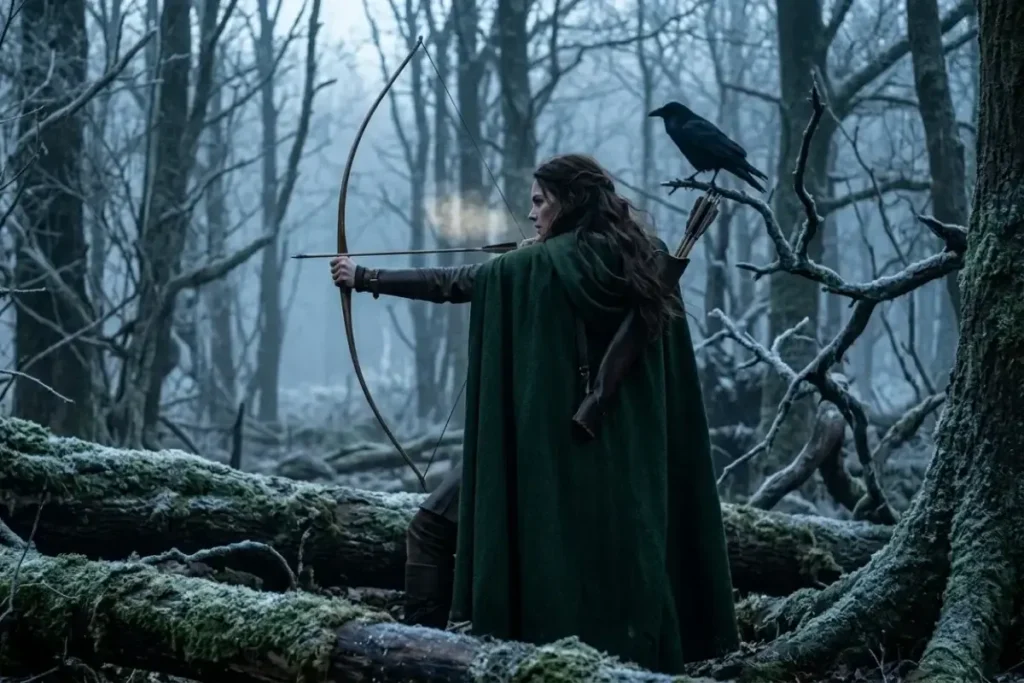
The Huntress is self-possession with a target. She knows what she is after, she is not asking permission, and she is entirely comfortable alone.
Artemis is the cleanest version. Sworn to no one, at home in the wild, deadly accurate, and notably furious about being watched without consent.
Actaeon sees her bathing and is torn apart by his own hounds, which is a story people tell as cruelty and which reads rather differently once you notice it is about a man who looked at something he was not entitled to.
The Morrígan is the same energy with the volume up. War, fate, sovereignty. She appears before battle and tells you how it ends. Nothing maternal about her, and no apology offered for that.
What she looks like now: Ambition without hedging. Solitude as a resource. The ability to pursue something for years without needing anyone’s encouragement. She is the archetype most likely to be called intimidating by people who mean it as a criticism.
Her shadow: Isolation dressed as independence. The Huntress can get so good at needing nobody that she stops letting anyone in, and calls the loneliness discipline.





2. The Witch
Goddesses: Hecate, Circe
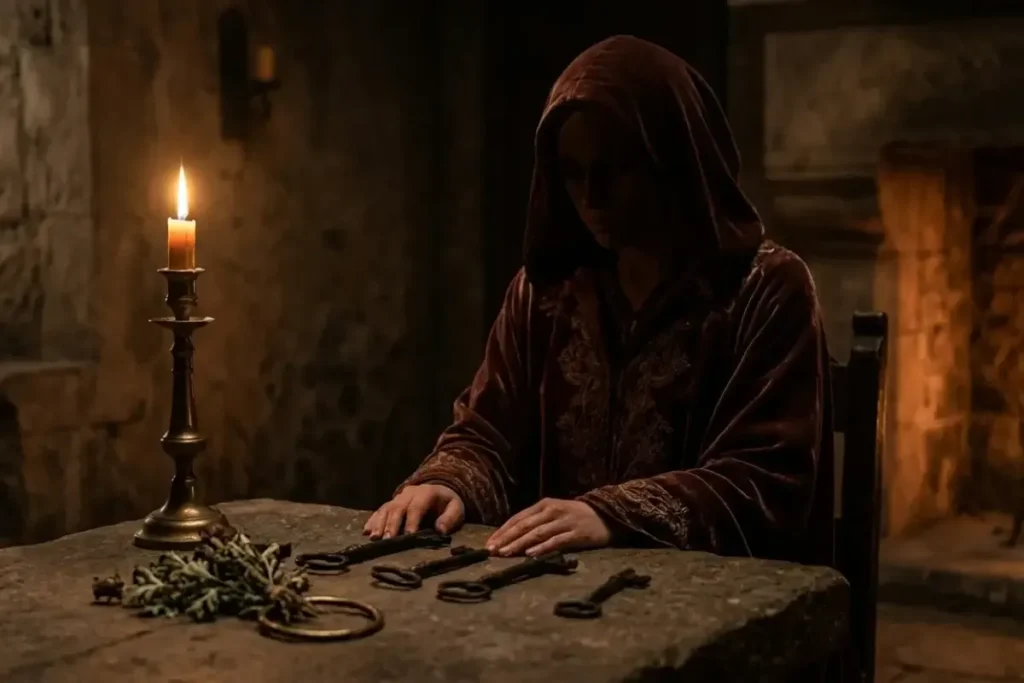
The Witch is knowledge that was never sanctioned. She is the archetype of the woman who knows things she was not taught, and who is therefore treated as a threat to whoever does the teaching.
Hecate holds the crossroads. She sees three ways at once, past and present and coming, and she is the one you consult when the ordinary channels have failed you.
Circe turns men into pigs, which is the detail everyone remembers, though the version worth sitting with is that she had a working knowledge of transformation and lived alone on an island practicing it.
The historical witch trials are the same story without the mythology. Women with herbal knowledge, women with property, women with no husband to vouch for them. Knowledge plus independence was the actual charge.
What she looks like now: Intuition you act on before you can justify it. Interest in things nobody assigned you. A tendency to be right early and disbelieved until later. She reads people accurately and finds it slightly inconvenient.
Her shadow: Withholding. The Witch can start using what she knows as leverage, letting other people stay confused because being the only one who sees clearly is its own kind of power.
3. The Queen of the Underworld
Goddess: Persephone
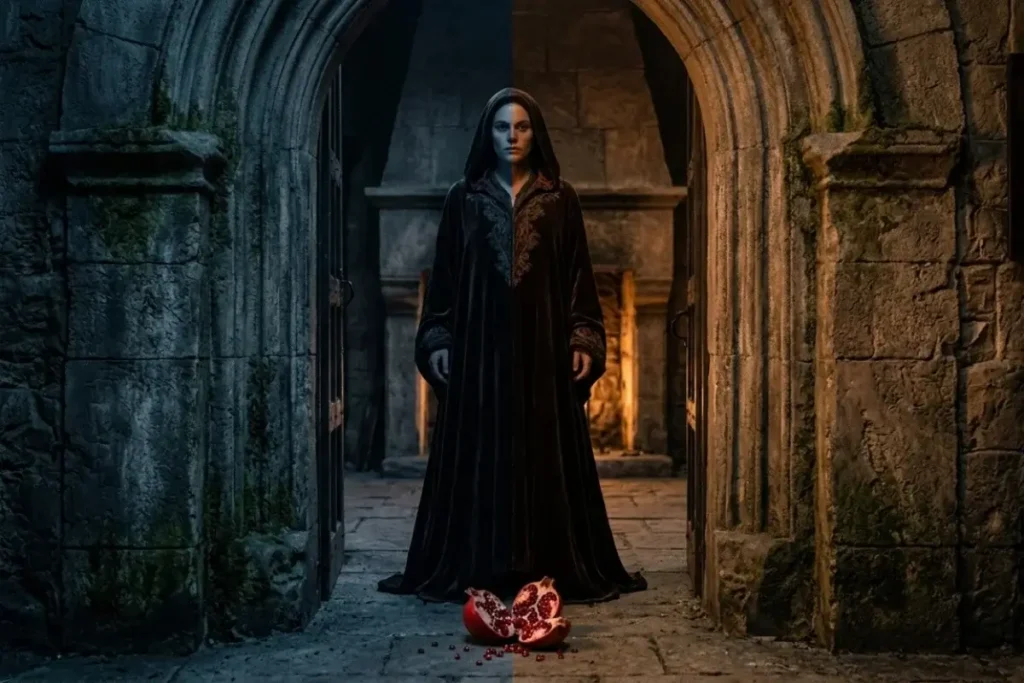
The archetype of the woman who went through something and came back with authority she did not have before.
Persephone gets told as an abduction, and that reading is defensible. The one that has taken hold, though, is about the outcome rather than the entry: the girl who went down and the queen who came up are the same person, and the second one rules. She spends part of the year in the light and part below, and she is not diminished by either.
This is the archetype of transformation through difficulty, which is different from transformation through improvement. Nobody chooses this one.
What she looks like now: Depth earned rather than studied. A high tolerance for other people’s hard seasons, because you have had yours. Composure that unsettles people who have not been tested. She is often the one others come to with the thing they cannot say elsewhere.
Her shadow: Making the underworld the whole identity. There is a version of this archetype that never fully comes back up, where the difficulty stops being something survived and becomes the entire personality.
4. The Destroyer
Goddess: Kali
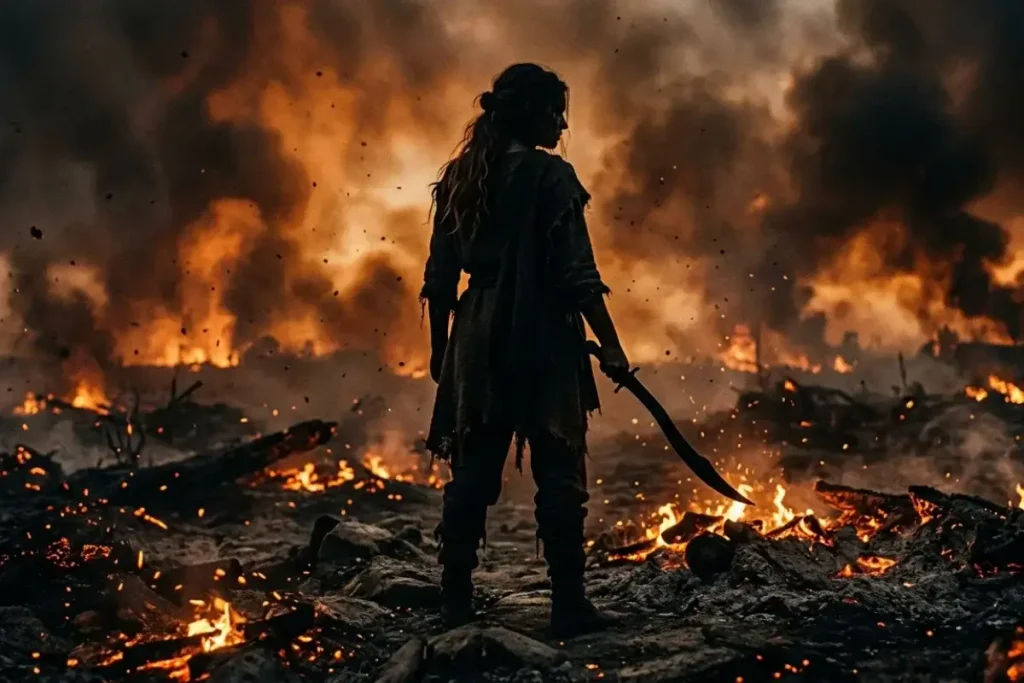
Ending things on purpose. This is the archetype most people find hardest to accept as feminine, which is precisely why it is on the list.
Kali is destruction as a necessary function rather than a malfunction. In the mythology her ferocity is not a character flaw, it is the job. Things have to end for other things to begin, and someone has to do the ending. She is also, notably, a mother goddess. The framework does not treat those as contradictory. Ours does.
What she looks like now: Quitting the job. Ending the friendship rather than letting it fade. Deleting the project you spent a year on because it was wrong. The Destroyer is the archetype of the clean break, and she is unsentimental about it in a way that alarms people.
Her shadow: Burning things down as a reflex. Ending becomes easier than repairing, and every difficulty gets solved by exit. The Destroyer without judgment leaves a lot of rubble that did not need to be rubble.
5. The Exile
Goddess: Lilith
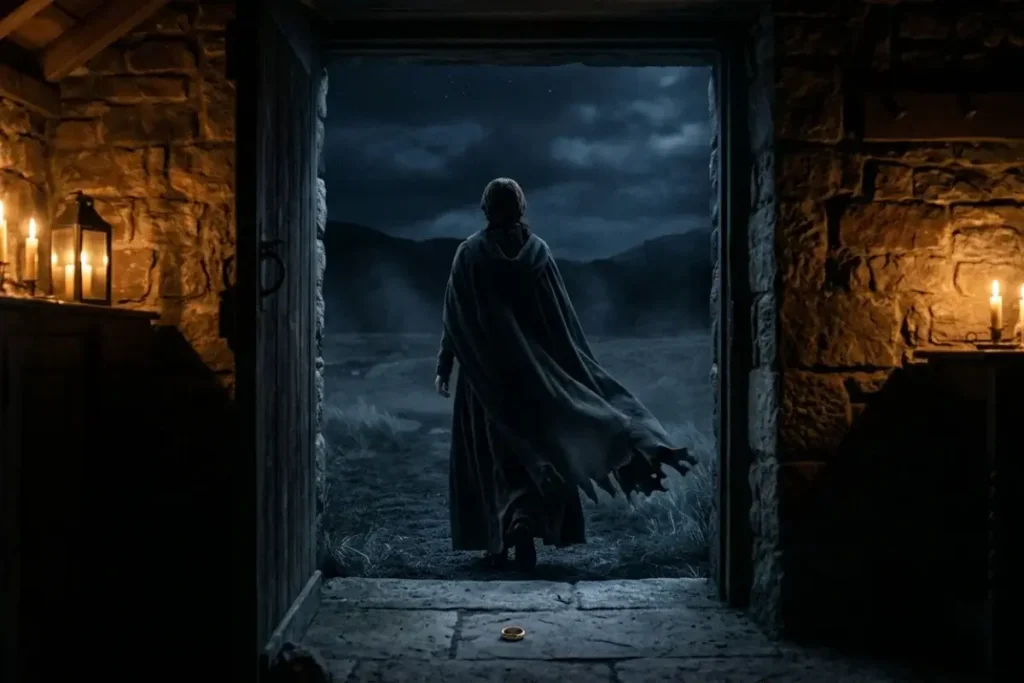
The woman who left rather than accept the terms.
In the story, Lilith refuses to be positioned beneath Adam, declines to negotiate, and goes. She is subsequently rewritten as a demon, a child killer, and a night terror.
Her actual documented offense is declining a hierarchy she did not agree to.
That rewrite is the most instructive part of the whole myth. Not the leaving, but what got said about her afterward. Every woman who has ended something and then heard the version that circulated about her knows this archetype personally.
What she looks like now: Walking away from the good job, the acceptable relationship, the family expectation. The willingness to be the difficult one in the retelling. She is comfortable being misunderstood by people whose approval would have cost too much.
Her shadow: Refusal as identity. The Exile can end up defining herself entirely by what she left, which means she is still organized around it. Leaving is not the same as being free of it.
6. The Monstered Woman
Goddess: Medusa
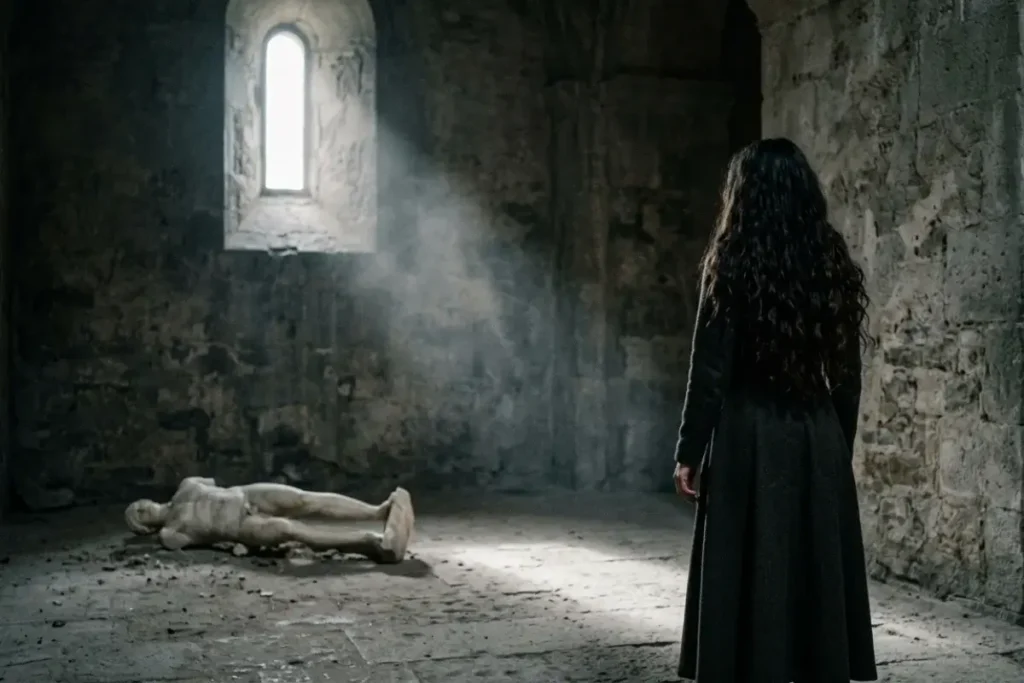
The archetype nobody wants and plenty of women have.
In most versions Medusa is assaulted in Athena’s temple and punished for it.
Made unlookable-at, then hunted, then killed for being frightening. The gaze that turns men to stone is not subtle as metaphors go: a woman who can no longer be looked at as an object.
This is the archetype of someone who was harmed and then treated as the problem. Her rage is entirely proportionate, and it is the thing she gets condemned for.
What she looks like now: Anger that is accurate and unwelcome. A refusal to make your experience comfortable for the listener. She is the woman who says the true thing at the family dinner and gets described afterward as having ruined it.
Her shadow: Rage that never converts into anything. The anger is legitimate and it can still calcify into a permanent state, where being justified starts substituting for being free.
How to Tell Which One You Run On
Most people have a primary and a secondary, and they shift over a lifetime.
Rough guide:
- If your instinct is to pursue, you are running Huntress.
- If your instinct is to know, Witch.
- If your instinct is to hold what others cannot, Queen of the Underworld.
- If your instinct is to end it, Destroyer.
- If your instinct is to leave, Exile.
- If your instinct is to name what happened, Medusa.
A more honest test: think of the last situation where someone treated you badly.
Your first real impulse, before you talked yourself out of it, points at your archetype. Not the response you chose. The one that arrived uninvited.
Why These Stories Keep Getting Told This Way
The consistency across cultures is the part worth noticing. Different mythologies, same pattern, and the shape does not change much: a woman does something legitimate, she is reframed as monstrous, the reframing outlives the story.
That is not a coincidence and it is not ancient history. The mechanism is entirely live, and most women can name a time they experienced a small version of it.
Which is the actual reason working with these archetypes is useful. Not because you need a goddess to identify with, but because recognizing the pattern makes it much harder to run on you.
If you want the broader context, what is dark feminine energy covers the concept in full, and the dark feminine energy quiz will tell you how much of this you are currently working with.