

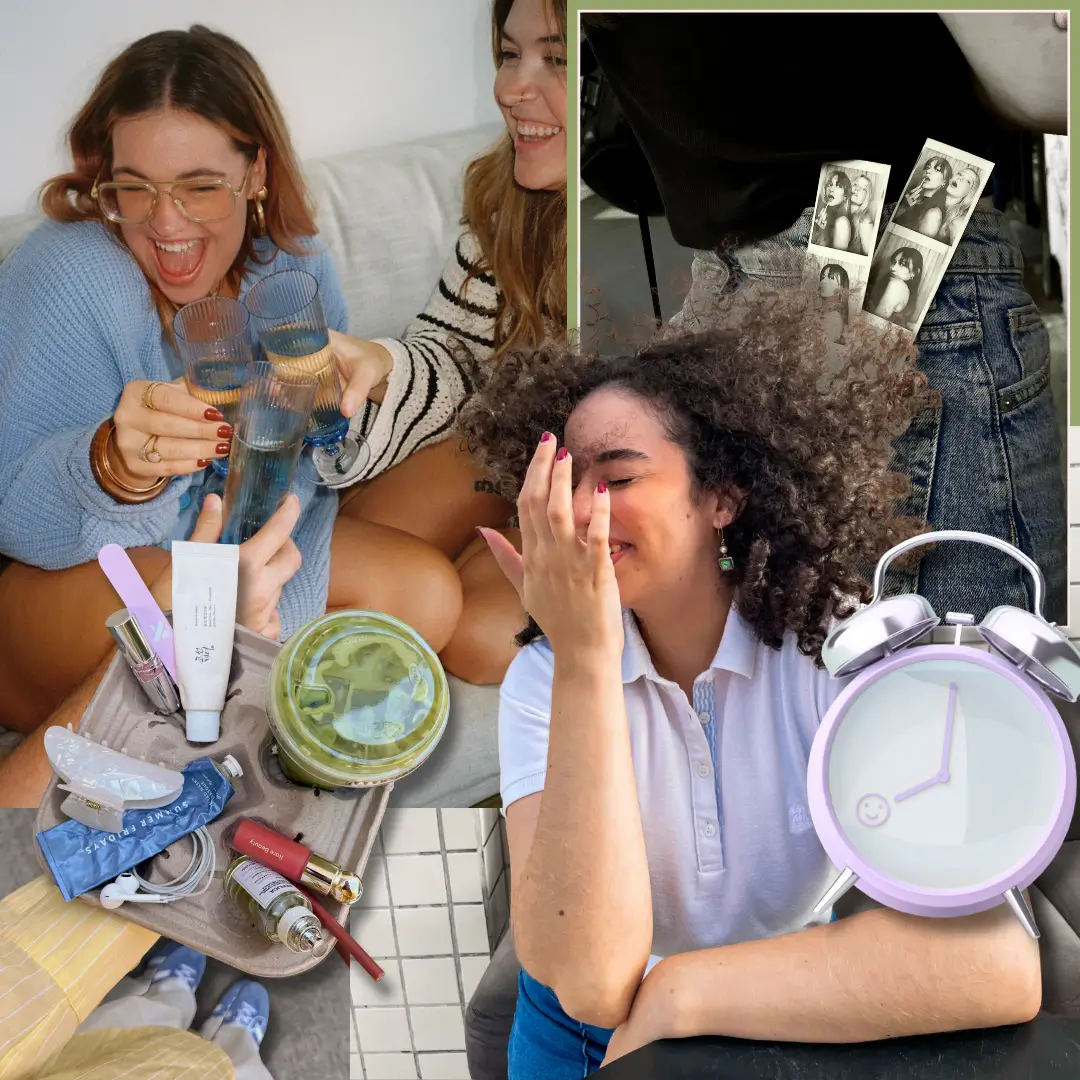
Gen Z gets a lot of flak, but their approach to burnout might be the one thing worth stealing.
Scroll through any Reddit thread on hustle culture and you’ll find twenty-somethings openly admitting they’ve lost their ambition, and older commenters agreeing it was never worth it in the first place.
I grew up believing busy meant important. Gen Z seems to have skipped that lesson entirely, and honestly, I think they’re onto something. 🤔
PIN FOR LATER 📌
Their version of slow living doesn’t look like sourdough and linen.
It looks like logging off after six, taking a mental health day without justifying it to anyone, and finding low-stakes ways to actually connect with people instead of doom-scrolling for a substitute.
Here’s what the rest of us can actually learn from it.
The Reddit Thread That Started This
I fell into a rabbit hole recently reading a thread about low-energy ideas that somehow turned into a much bigger conversation about ambition, burnout, and what people actually want out of their twenties and thirties.
One commenter admitted they used to hold themselves to the same standard as people in wildly exceptional circumstances, then realized that comparison was setting them up to fail.
Recognizing your actual limits, they said, and working within them, beats pretending those limits don’t exist. They’re still working on not caring what other people think. Getting there slowly, in their words.”
Comment
by u/jigglyjelllo from discussion
in simpleliving
Another, in their forties, said flat out that they wished they’d figured this out decades earlier.
What struck me was how openly Gen Z says it out loud, without the guilt lap most of us do first.
RELATED POSTS:



Why “Lazy” Is the Wrong Word for This
The easiest criticism to lob at Gen Z is that they don’t want to work hard. I don’t think that’s what’s actually happening.
What I see instead is a generation that watched millennials do everything “right” (the degree, the side hustle, and the hustle-harder mentality) and still end up burnt out, priced out, and exhausted.
So they looked at that outcome and, understandably, said “hard pass.”
That’s not laziness. That’s a boundary.
It’s the same instinct behind slow living generally: deciding that faster and more doesn’t automatically mean better, and building your life around that instead of around what you’re supposed to want.
What This Actually Looks Like Day to Day

It’s rarely as dramatic as quitting a job or moving off the grid. It’s smaller than that:
- Logging off at the end of the workday instead of answering “one more email”
- Taking a sick day for your mental health without a paragraph of justification attached
- Choosing a lower-stress job over a higher-paying one that would eat every weekend
- Not apologizing for needing downtime that doesn’t produce anything
- Being genuinely uninterested in the traditional markers of “making it,” if those markers require burning out to get there
None of this requires a total life overhaul.
It’s mostly just permission, the same permission slow living has been arguing for all along, just delivered with a lot less guilt and a lot more directness.
What Millennials Can Actually Steal From This
I certainly didn’t grow up with this instinct.
I grew up thinking rest was something you earned after you’d proven yourself exhausted enough to deserve it. Unlearning that has been slower and harder than I expected.
But watching a younger generation set that boundary without apologizing for it has genuinely shifted how I think about my own. A few things I’ve actually taken from it:
- Stop treating exhaustion as proof of effort. Being tired isn’t the same as being productive, and it was never a badge of honor to begin with, no matter how long we treated it like one.
- Say no without the ten-minute explanation. Gen Z tends to decline things plainly. No lengthy justification, no over-apologizing. Just a clear no. It’s uncomfortable to practice and genuinely useful once you do.
- Let “good enough” be good enough. Not every project, side hustle, or goal needs to be optimized within an inch of its life. Sometimes done is genuinely better than perfect.
- Protect your evenings like they’re non-negotiable. Because they are. A job that requires all of you, all the time, isn’t a flex, it’s a design flaw.
The Bigger Picture
Slow living has always been about choosing depth over speed and intention over autopilot.
Gen Z just arrived at that conclusion faster than the rest of us did, and with a lot less hand-wringing about whether they were allowed to.
I don’t think every dating trend or online habit this generation has produced is one to admire (some of them, respectfully, are a lot).
But their refusal to treat burnout as inevitable, and their comfort setting boundaries without over-explaining them, is a genuinely healthy instinct. One the rest of us would do well to borrow.